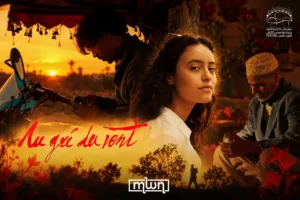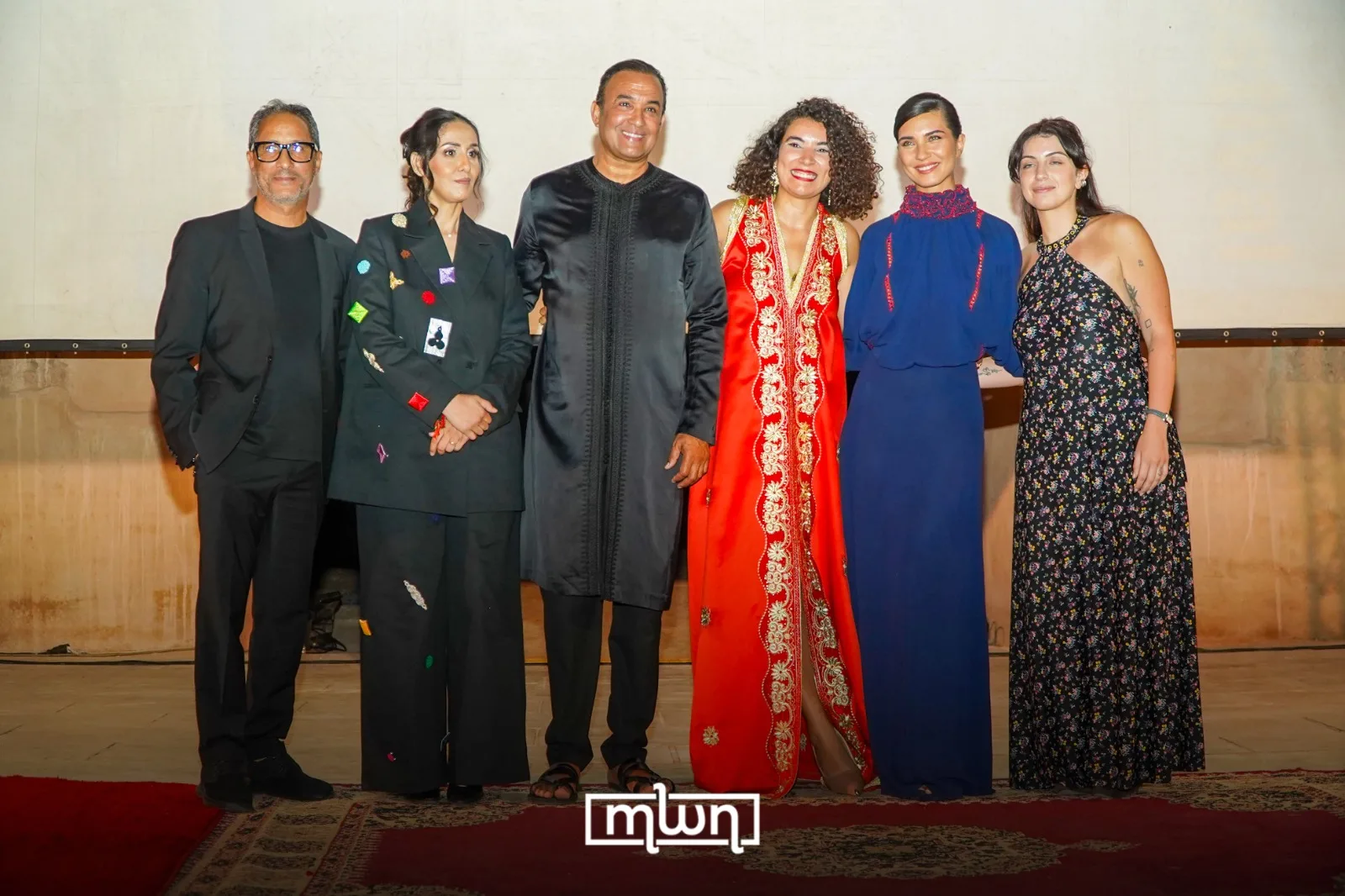
Fez — Cinema returned to the walls of Badii Palace on Friday night as the Marrakech Short Film Festival (MARRAKECHsFF) opened its sixth edition with filmmakers, actors, jury members, international guests, press, and six short films that immediately showed the range of this year’s program.
The September 25 opening brought together the ceremonial and the informal. Guests posed for photographs, filmmakers moved between interviews and conversations with the press, and the palace became a meeting point before the first images appeared on the outdoor screen.
The official opening lineup featured “Gauze,” “The Bark,” “Behind the Curtain’s Edge,” “Dessert Is Served,” “Trading Cards,” and “Somewhere,” bringing together films from France, Malta, Morocco, the UK, and Australia.
The evening also placed Malta, this year’s Guest Country, at the center of the festival’s cultural exchange.
The opening also brought together members of both festival juries. The International Jury is led by Turkish actress Tûba Büyüküstün, joined by British filmmaker Charlotte Regan, Marché du Film programming director Alice Kharoubi, and Lebanese writer-director Daniela Stephan.
The National Jury is headed by Moroccan actor and filmmaker Rachid El Ouali alongside actress and academic Jalila Talemsi and actor-director Hicham Brahimi.
Their presence added another layer to the opening night, as jurors met filmmakers, spoke with the press, and took part in the first exchanges around this year’s competition.
Malta enters through cinema and culture
Malta’s presence was felt beyond the films themselves. Nine Maltese films are part of this year’s festival program, introducing Moroccan audiences to different corners of the island’s contemporary cinema.
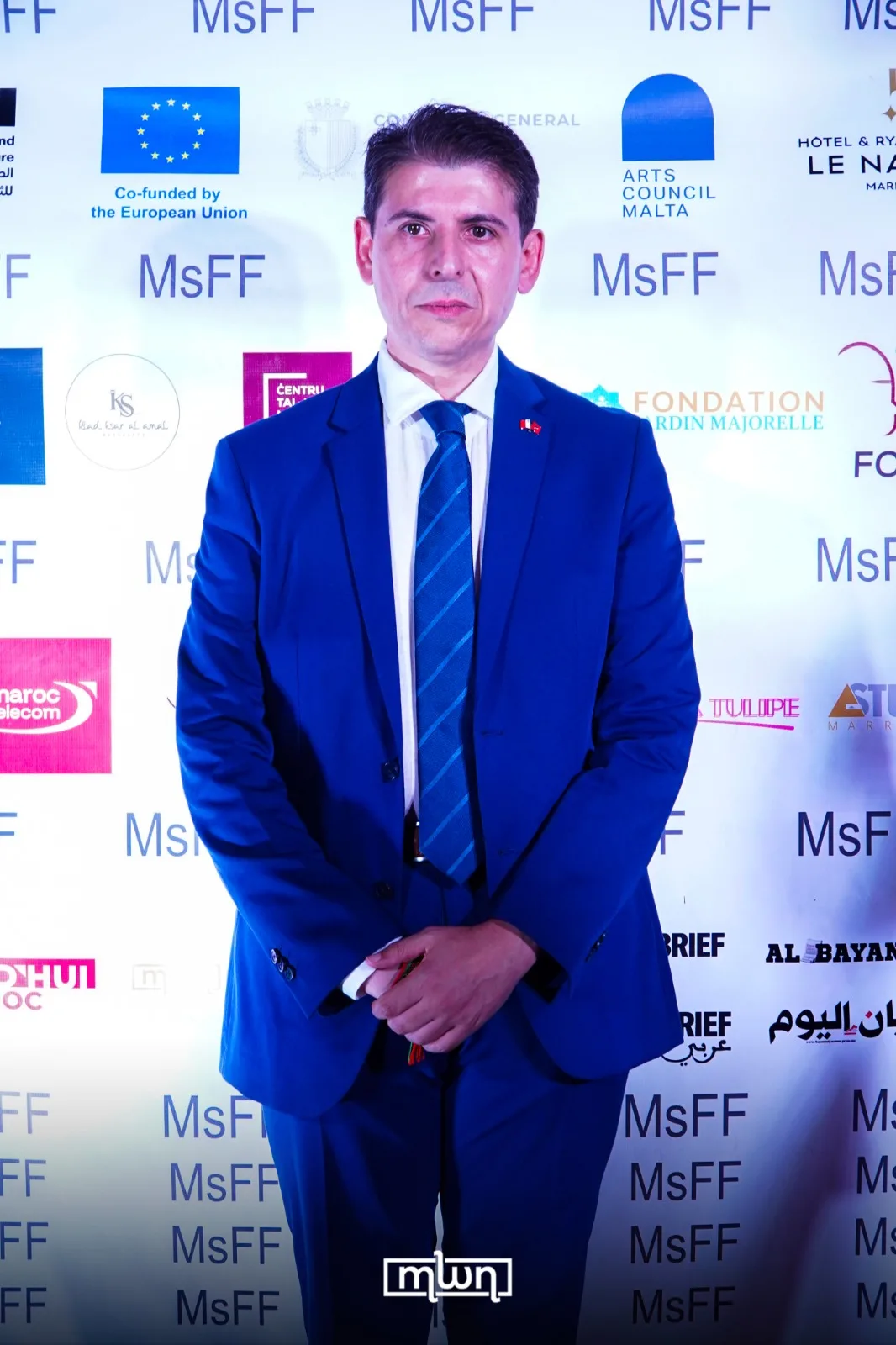
Ivan Vassallo, Consul General of Malta, described the Mediterranean not as a barrier between Morocco and Malta, but as something that connects them.
“We don’t see the Mediterranean as a separation or as a break; we see it as a connection which unites us in sometimes common behavior, common culture, common food traits,” Vassallo told MWN Lifestyle magazine.
That exchange also moved beyond the screen. The Maltese delegation introduced guests to elements of Maltese food, offering another way into the island’s culture as Moroccan Gnawa maâlem Abdeljalil Kodssi played the guembri in the background.
The opening continued after the screenings as filmmakers, actors, jury members, and guests gathered for an afterparty, extending the night beyond the formal program.
The juries look toward a new generation
The opening also offered an early glimpse at what both juries will be looking for over the coming days. The International Jury is presided over by Turkish actress Tûba Büyüküstün, while Moroccan actor, director, and screenwriter Rachid El Ouali leads the National Jury alongside actress and academic Jalila Talemsi and Hicham Brahimi.
Büyüküstün described the role as an opportunity to celebrate the form itself. “We will celebrate short filmmaking, storytelling for five days, and I’m very excited for this,” Büyüküstün told MWN Lifestyle magazine.
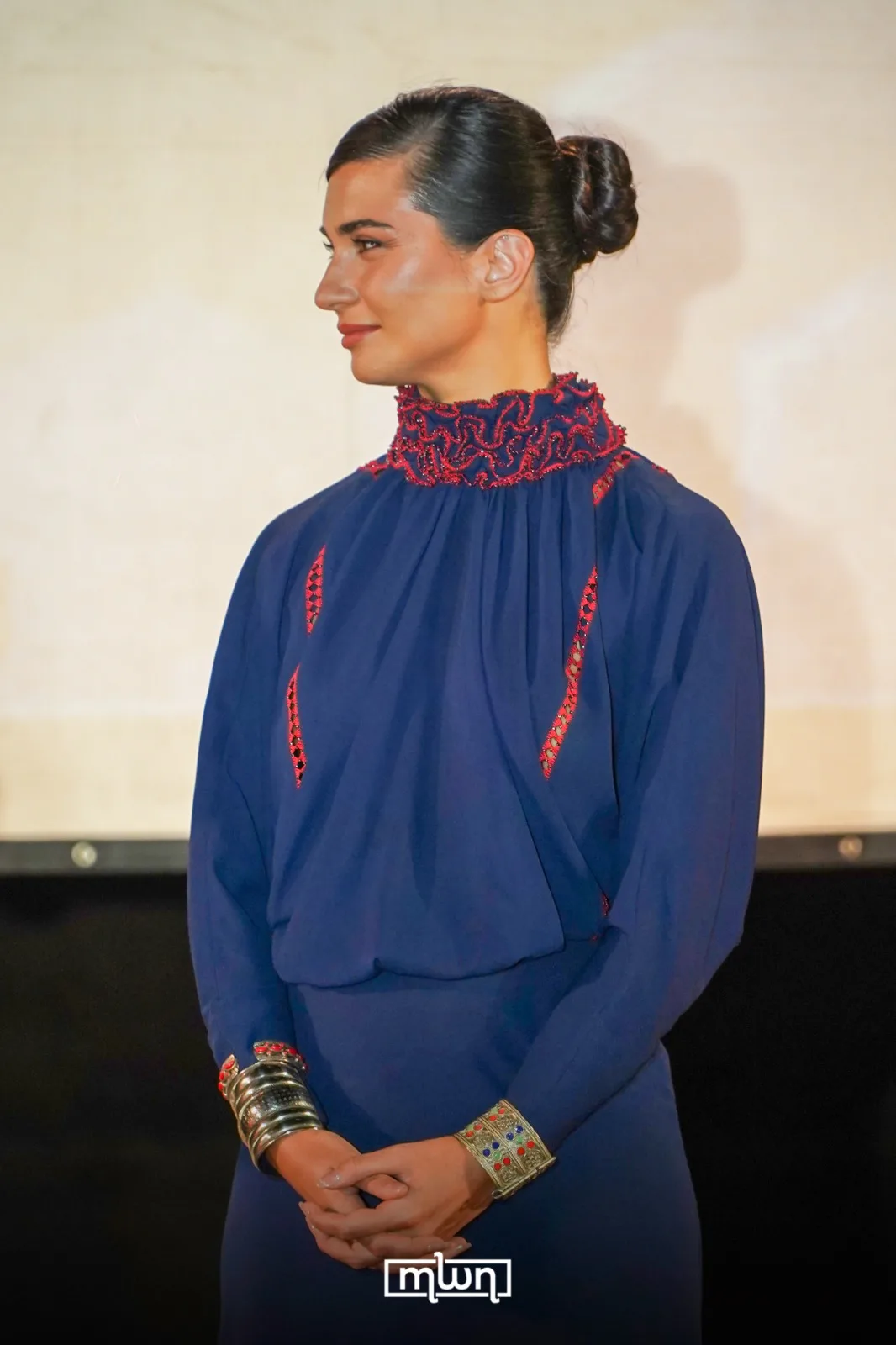
Tûba Büyüküstün, President of the MARRAKECHsFF 2026 International Jury. / MWN Photography Team
For El Ouali, accepting a jury position again after roughly 15 years was largely about discovering what younger filmmakers have to say now that filmmaking tools have become far more accessible.
“Today, with a phone or a 5D camera, you can make your dream happen and create. The difference is: does the person have something to say? What are their ideas? How do they see the world? That is what I hope to see through the films we will watch at this festival,” El Ouali told MWN Lifestyle magazine.
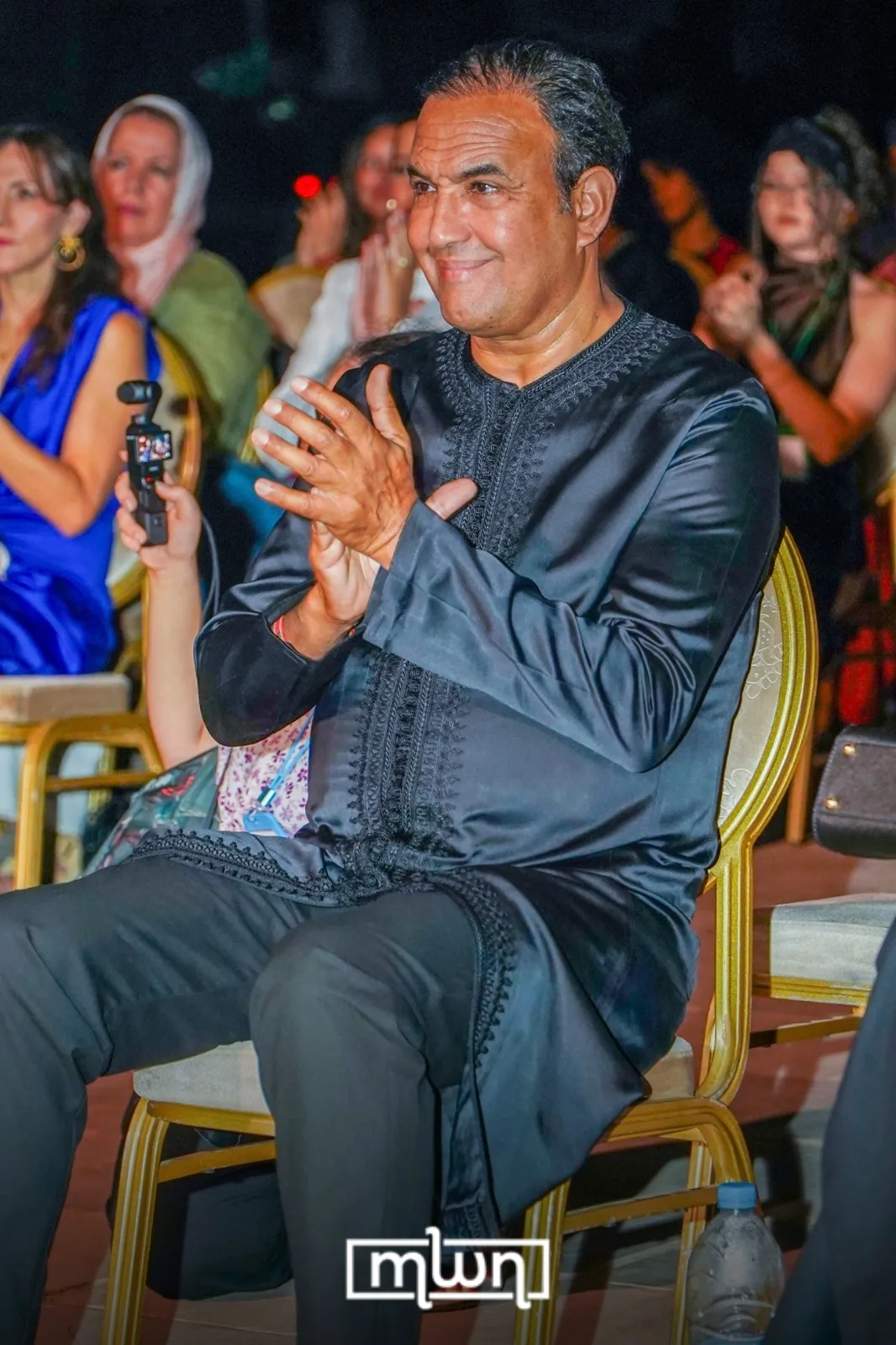
Talemsi similarly focused on the energy of Morocco’s emerging generation and the importance of exchange between artists of different ages.
“I’m very, very proud of these new directors. They are all full of energy, they have a fresh perspective, and they see things differently,” Talemsi told MWN Lifestyle magazine.
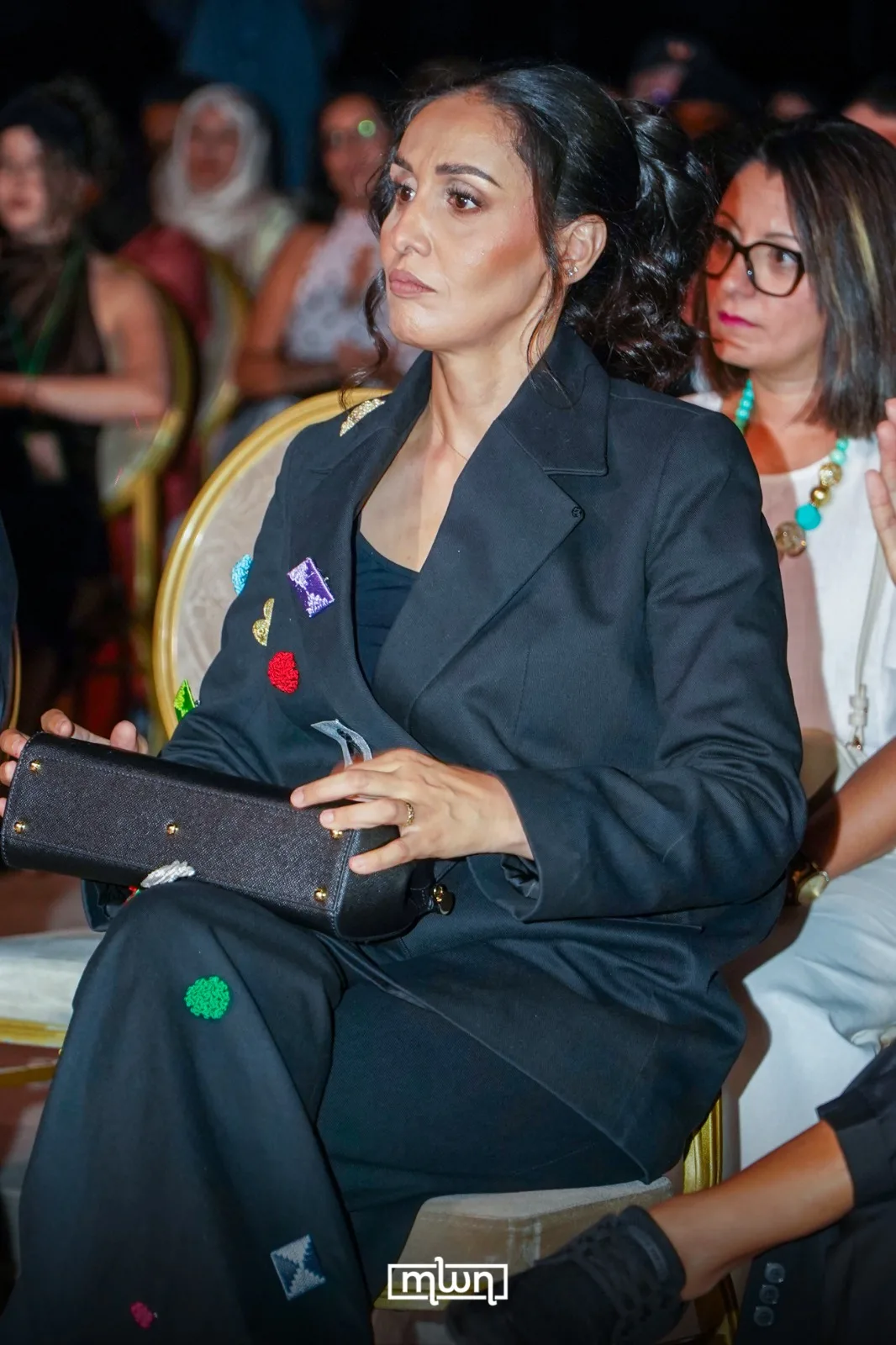
For the actress, that generational relationship should not become a divide. “I believe this relationship between generations can only enrich Moroccan art and Moroccan cinema,” she added.
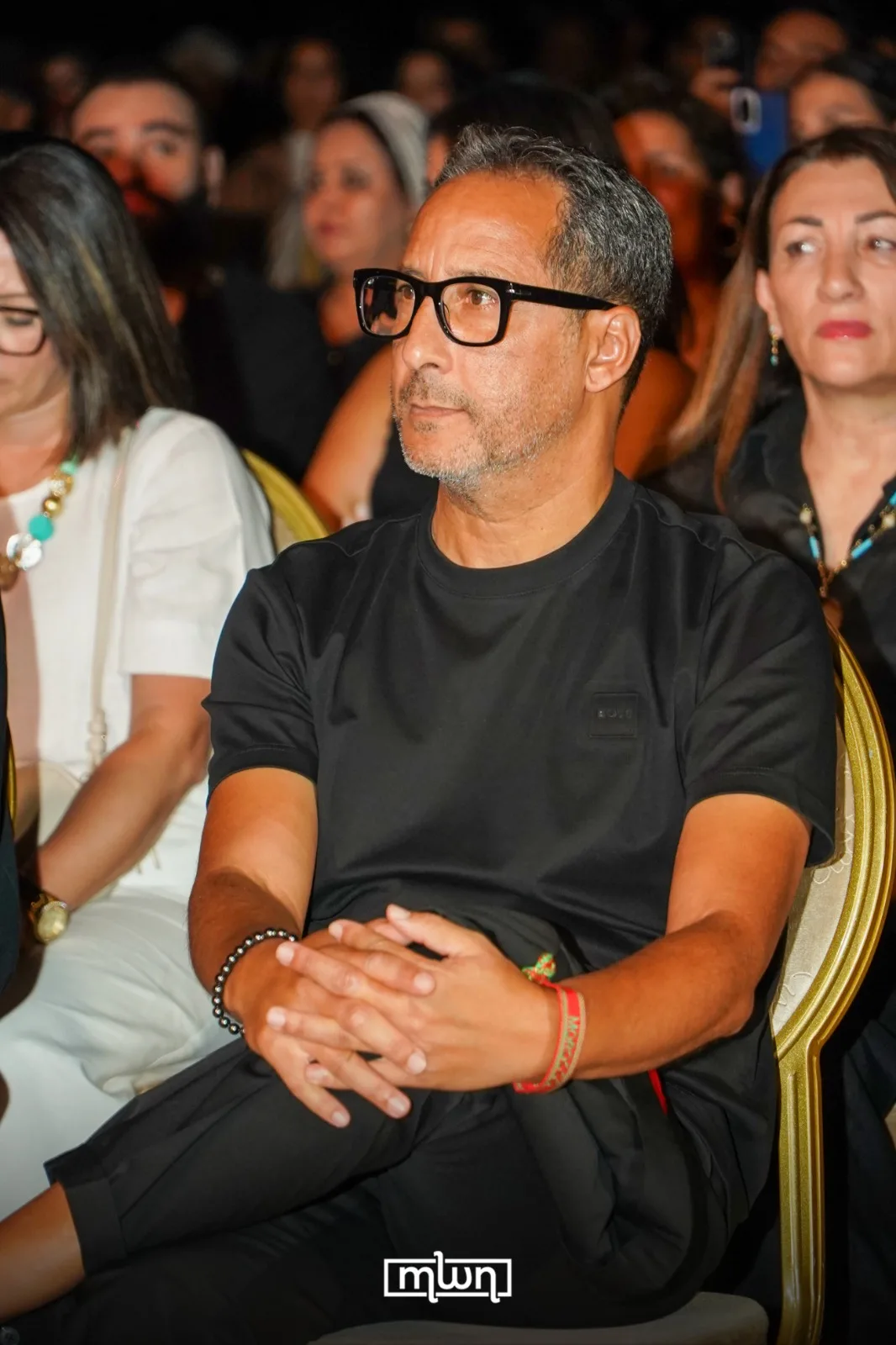
Ramia Beladel puts industry-building at the center
Festival founder and president Ramia Beladel used the opening to underline what she sees as the defining commitment of MARRAKECHsFF’s sixth edition: building a stronger ecosystem around Moroccan short cinema.
“What is new each year in the Marrakech Short Film Festival is the engagement. Because we try to honor the engagement that we started with, the commitment that we have toward the filmmakers, the Moroccan filmmakers, and also toward the industry that we want to build around the short film,” Beladel told MWN Lifestyle magazine.
She pointed in particular to AMANAR, the festival’s industry program, as a practical extension of that commitment. “This 6th edition is very rooted around this commitment because we are building a new program that is called ‘AMANAR,’ which is the industry program that is just going to be focused on the development, the production, and also the promotion of short film,” she explained.
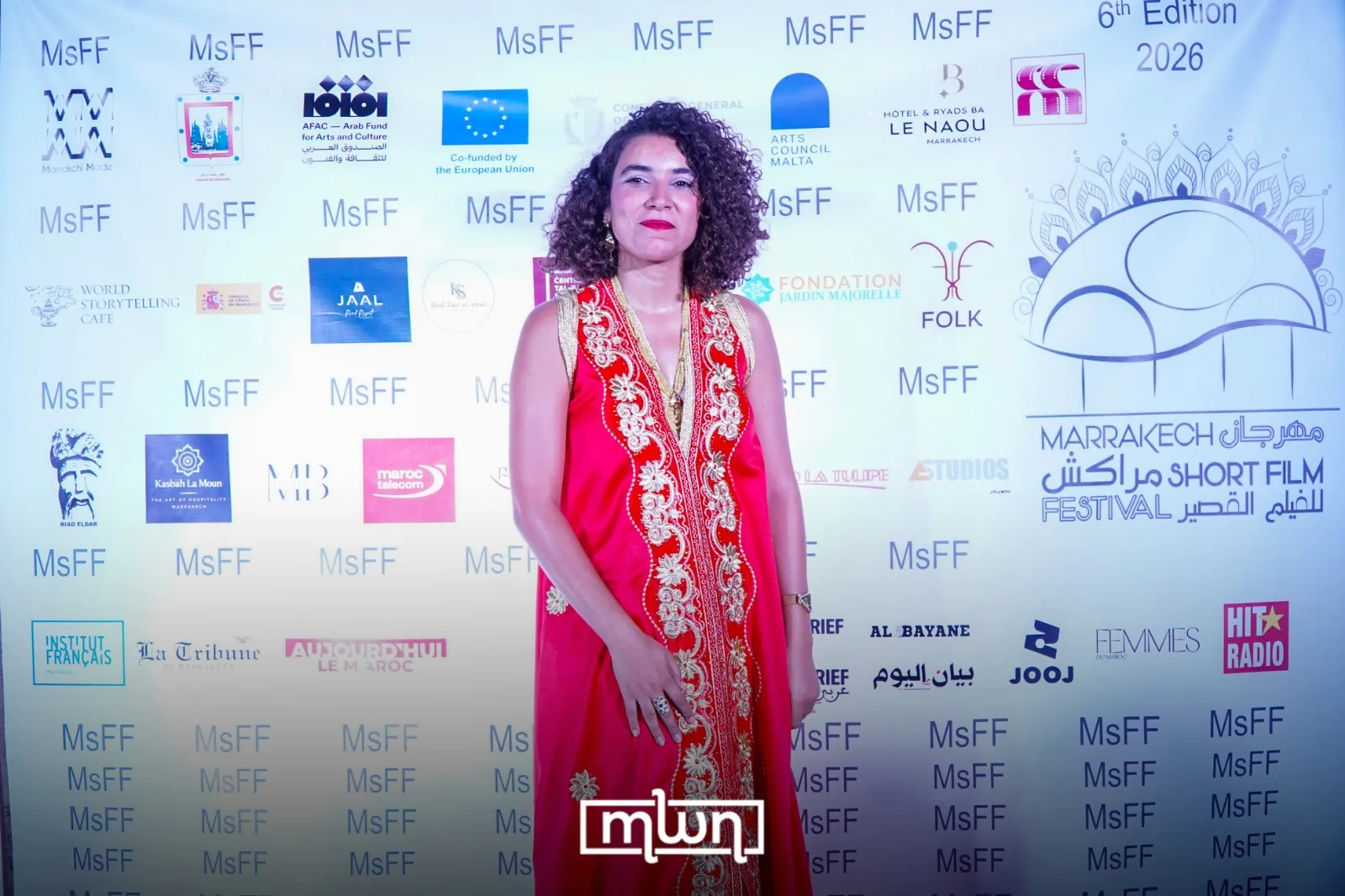
For Beladel, the goal is not simply to screen short films, but to help create the professional structure around them.
“So, we are here in order to honor what we have started by building, you know, a real industry around short films,” she said.
Industry partnerships move into focus
The opening also brought together partners supporting the festival’s growing industry ambitions. Abir Aboulmanadel, Arts Programs Manager at the British Council in Morocco, highlighted the organization’s partnership with MARRAKECHsFF through AMANAR, the festival’s industry program connecting emerging filmmakers with producers and professionals.
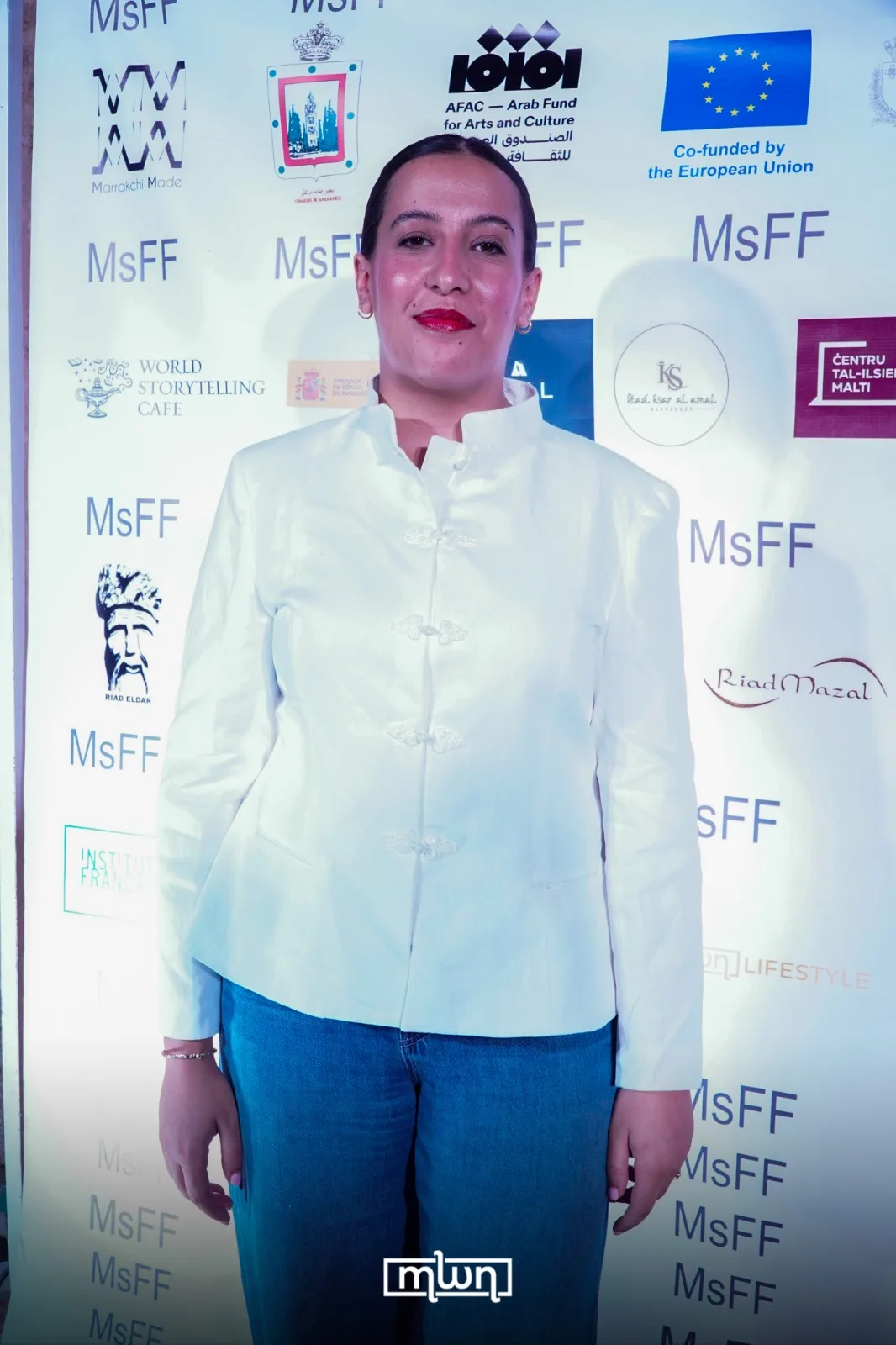
“Our role is to connect these professionals, both from the UK and Morocco, to meet and actually make collaboration start and happen,” Aboulmanadel told MWN Lifestyle magazine.
The partnership adds an international professional dimension to the festival, creating opportunities for Moroccan filmmakers to build relationships with industry figures from the UK while developing future collaborations beyond the screenings themselves.
Gauze turns swimming into survival
The opening film, “Gauze,” immediately shifted the evening toward a much harsher reality.
Directed by Noran Fikri Alezabi, Nicholas Arujah, Xinyue Ma, Yulin Yue, and Xiaonan Zhou, the animated short follows Zain, a 14-year-old Palestinian swimming champion whose abilities take on a very different meaning amid war and famine.
Swimming is no longer simply a sport or a source of ambition. It becomes connected to survival, responsibility, and the pressure placed on a child living through circumstances far beyond his age.
The film’s emotional force comes from that contrast. A talent associated with youth, competition, and possibility becomes entangled with the realities of conflict, forcing the story to ask what remains of childhood when survival takes priority.
Pride, loneliness and a dog in ‘The Bark’
Malta’s “The Bark,” directed by Abigail Mallia, moved the evening toward an intimate story about pride, human connection, and the defenses people build around themselves.
Maltese actress Antonella Axisa, who appears in the film, told MWN Lifestyle magazine that the story was inspired by one of the seven deadly sins.
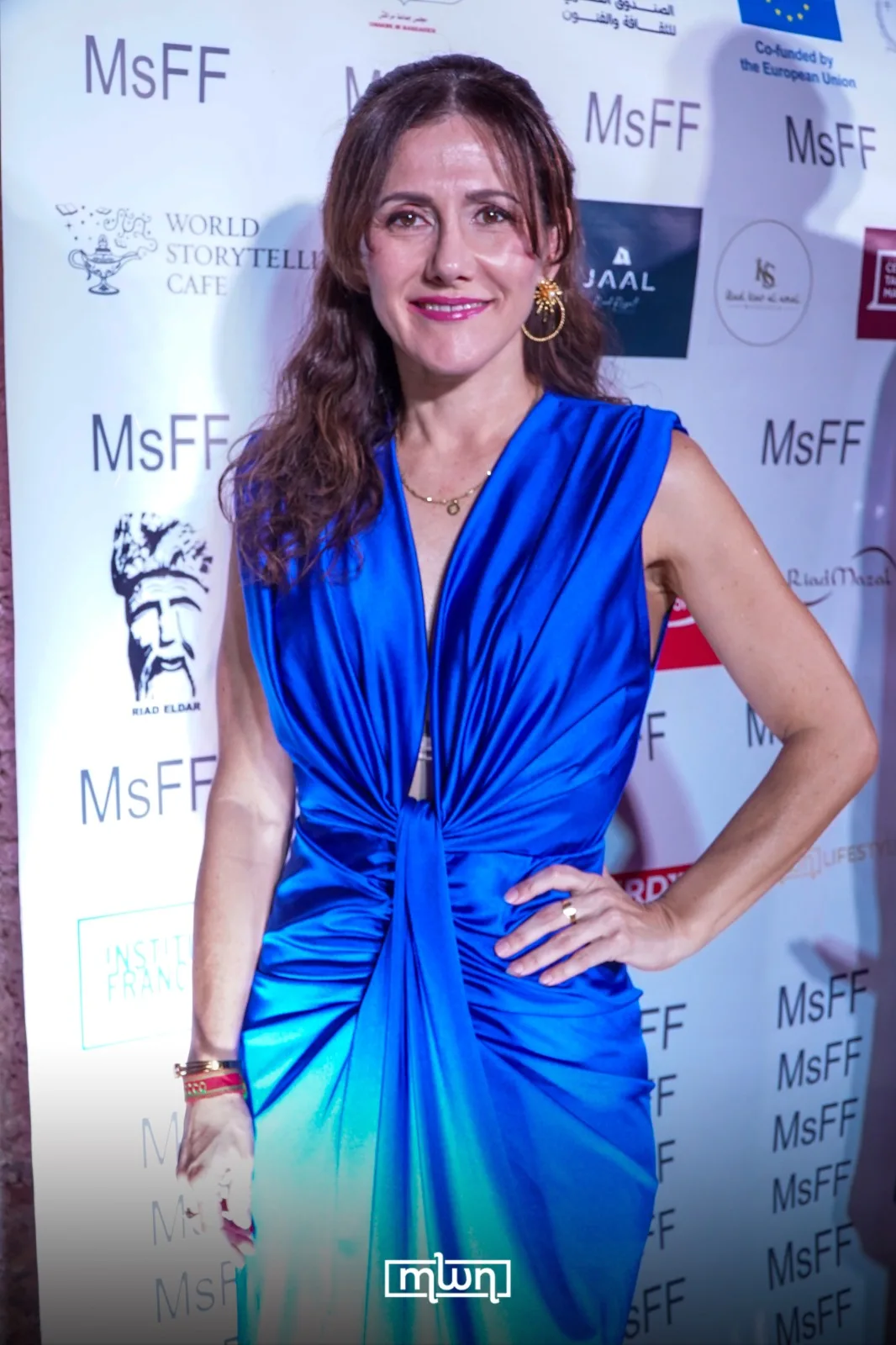
“‘Bark’ is a short film. It was inspired by one of the seven sins: pride. So, it’s two people, two main characters, and a dog. And they are both very proud in their own ways. And then we see how this pride affects their lives, how it brings them together, and then sets them apart,” Axisa explained.
The dog is not simply a background element. Axisa revealed that the animal belonged to director Abigail Mallia, making its presence deeply personal to the filmmaker.
“The dog was actually the dog of the director, Abigail Mallia. So it was a very personal film for the director,” she said.
Through its two central characters, the short examines how pride can serve as protection while also becoming the very thing that prevents people from accepting intimacy or connection.
Behind the curtain, identity begins to slip
Moroccan filmmaker Kacem Skalli’s “Behind the Curtain’s Edge” moves into the world of theater, where performance slowly becomes difficult to separate from reality.
The film follows an actor who takes on the role of Ophelia while drawing on memories of his late mother.
For Skalli, theater provided the perfect setting to explore identity, grief, artistic ambition, and the roles people perform both onstage and away from it.
“That tension became the starting point for ‘Behind the Curtain’s Edge’: two actors who perform different versions of themselves, until the line between identity, desire, and performance begins to disappear,” Skalli previously told MWN Lifestyle magazine.
The film uses Shakespeare’s “Hamlet” as more than a reference point. Its characters perform Shakespeare onstage while simultaneously navigating rivalry, grief, desire, and identity behind the curtain.
That creates a second performance, one in which the roles people play in real life become just as unstable as the characters they embody under the lights.
‘Dessert Is Served’ puts discomfort at the table
Leyla Hattabi’s “Dessert Is Served” brought a different kind of tension to the opening program.
The UK short places social behavior and relationships under pressure, using the familiar setting of a shared meal to expose what people conceal behind politeness.
Its darker humor comes from the gap between how people present themselves and what eventually surfaces when that performance begins to collapse.
Placed alongside Skalli’s film, “Dessert Is Served” created an interesting thematic connection within the opening program.
Both films deal with forms of performance, whether on a literal stage or inside everyday social relationships, and both ask what happens when maintaining that performance becomes impossible.
Inside the anxious universe of ‘Trading Cards’
Australian filmmaker Radheya Jang brought one of the evening’s most psychologically layered works with “Trading Cards.”
The animated short follows a strange man who travels back in time to confront his younger self, using tarot cards, memory, and surreal imagery to move through anxiety, nostalgia, identity, and obsessive-compulsive disorder.
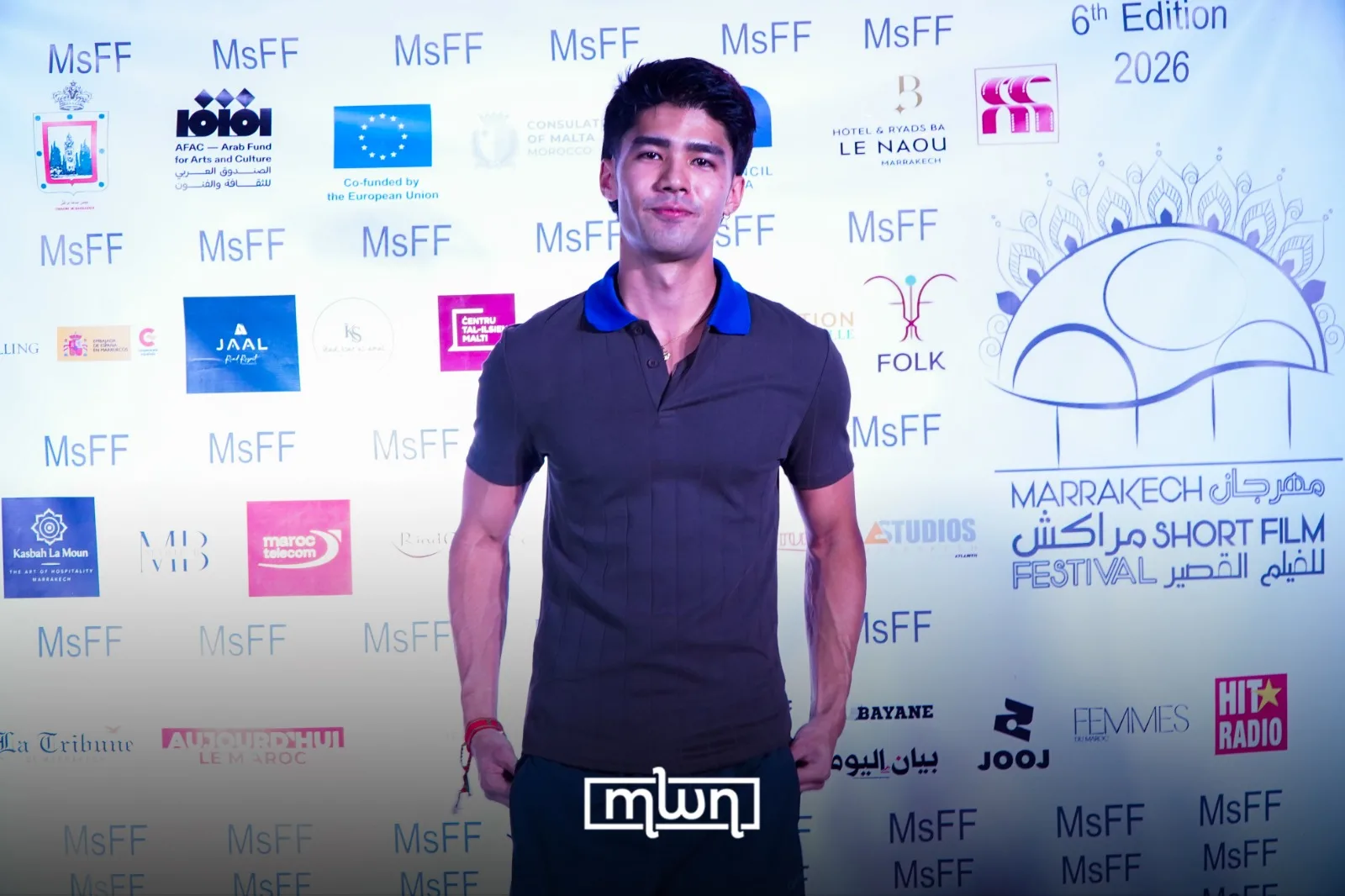
Jang told MWN Lifestyle magazine that the story is connected directly to his own experience. “It involves subjects around nostalgia, identity, and my lived experience with OCD. I think OCD is a really misunderstood disorder, and I hope to shed some light on some other aspects of it that people might not be familiar with and hope to spread some conversation about it,” he said.
The film unfolds like a philosophical and spiritual journey through the mind of an artist confronting earlier versions of himself.
Its use of cards gives that journey another symbolic layer. Tarot evokes questions about fate, uncertainty, and the future, while the trading cards of childhood represent nostalgia, obsession, play, and a version of the self that existed before adulthood complicated those experiences.
Rather than functioning simply as a time-travel story, “Trading Cards” becomes a confrontation between memory and identity.
Jang was also experiencing Africa for the first time. He told MWN Lifestyle magazine that he spent part of his first day walking through Marrakech and taking in its architecture and atmosphere before joining the festival.
“I just think I love how you can feel, you know, some of these, the buildings and the infrastructure around us is so imbued with culture and history,” he said.
‘Somewhere’ looks toward a world already lost
The opening program ended with another Maltese film, Fabrizio Ellul’s “Somewhere.”
The animated short imagines a future shaped by displacement, memory, and a changing planet.
Its science-fiction setting turns attention toward a deeply human question: what remains emotionally important when the world a person once knew can no longer be inhabited in the same way?
Like several films screened during the evening, “Somewhere” is ultimately less interested in spectacle than in what people carry with them.
Memory, grief, identity, regret, and attachment run throughout the film, making it a fitting conclusion to an opening program where many of the stories were concerned with what people cannot completely leave behind.
Across the six films, the festival’s first night moved from war and survival to pride, theater, social performance, OCD, memory, and displacement.
But the experience extended beyond what appeared on the screen.
By the time the screenings gave way to the night’s afterparty, MARRAKECHsFF’s sixth edition had already begun doing what a short-film festival can do best: placing different cultures, stories, and artistic perspectives in the same space and allowing the conversations between them to continue after the credits.