Fez — From the intricate geometric patterns of Fez to the distinctive embroidery traditions of Tetouan and Azemmour, Morocco’s textile heritage is taking center stage in Rabat.
“Tarz, Embroidery in Morocco, Past and Present” opened on October 8 at the National Museum of Adornment in the Oudayas, bringing together historical collections, ceremonial textiles, and contemporary creations.
Presented by the National Foundation of Museums in collaboration with the Angoulême Museum in France, the exhibition will run until January 31, 2027.
The exhibition places particular emphasis on the generations of Moroccan women whose craftsmanship helped shape and preserve these traditions.
Honoring the women behind the craft
Speaking at the exhibition, Mehdi Qotbi, President of the National Foundation of Museums, highlighted the importance of recognizing women’s contributions to Morocco’s cultural heritage.
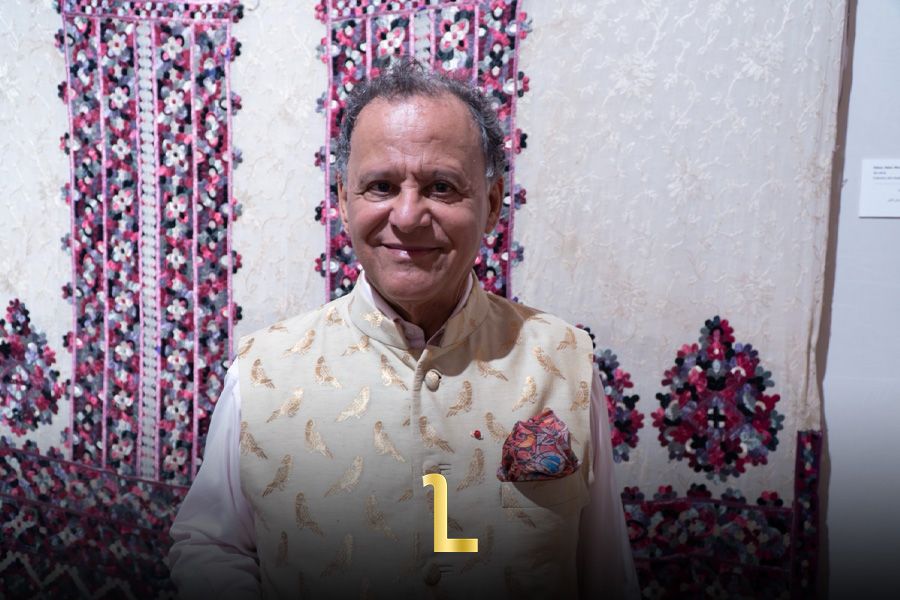
“We want to pay tribute to craftsmanship and Moroccan heritage through Tarz, an art passed down by women,” Qotbi told Lifestyle magazine. “We want to honor these women, who passionately passed down the art and techniques of embroidery,” he added.
Qotbi also emphasized the foundation’s mission to make museums more accessible to Moroccans from different social backgrounds.
“The National Foundation of Museums is achieving its goal of making museums accessible to all Moroccans, from all backgrounds,” he said.
He expressed particular satisfaction at seeing growing numbers of young people visiting museums across the country.
For Qotbi, the collaboration with the Angoulême Museum also offers an opportunity to showcase Morocco’s diverse craftsmanship through pieces preserved in international collections.
The museum holds an extensive collection of Moroccan embroidery, providing an important foundation for the exhibition.
From Fez to the Anti-Atlas
Rather than treating embroidery as a single national style, “Tarz” explores the distinctive traditions developed across Morocco.
The exhibition moves through the artistic languages of Fez, Tetouan, Rabat, Sale, Meknes, Chefchaouen, and Azemmour, alongside traditions associated with the Tafilalt and Anti-Atlas regions.
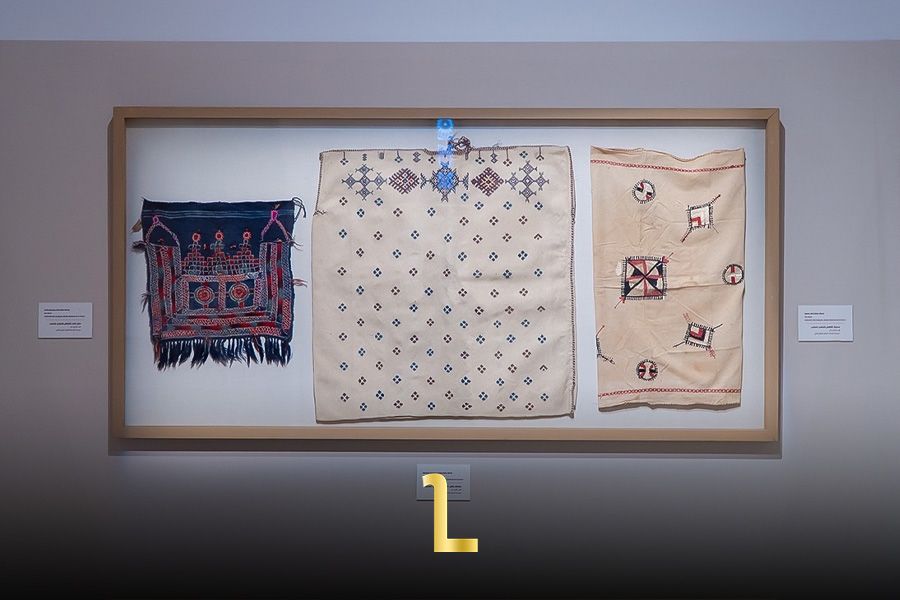
Geometric compositions, botanical motifs, fine fabrics, and different stitching techniques illustrate the variety of approaches developed over centuries.
These regional differences also reveal how designs circulated between communities, reflecting historical exchanges and shared cultural influences.
The exhibition presents clothing, household linens, and ceremonial textiles, placing embroidery within the everyday and social lives of the women who created them.
Many of these pieces served both practical and symbolic purposes, connecting artistic expression with family traditions and important occasions.
Fatima Lévèque brings historic embroidery into the present
Moroccan textile artist and designer Fatima Lévèque plays a central role in connecting these historical traditions with contemporary artistic practice.
Born in Morocco and raised in France, Lévèque studied fine arts before specializing in textile design.
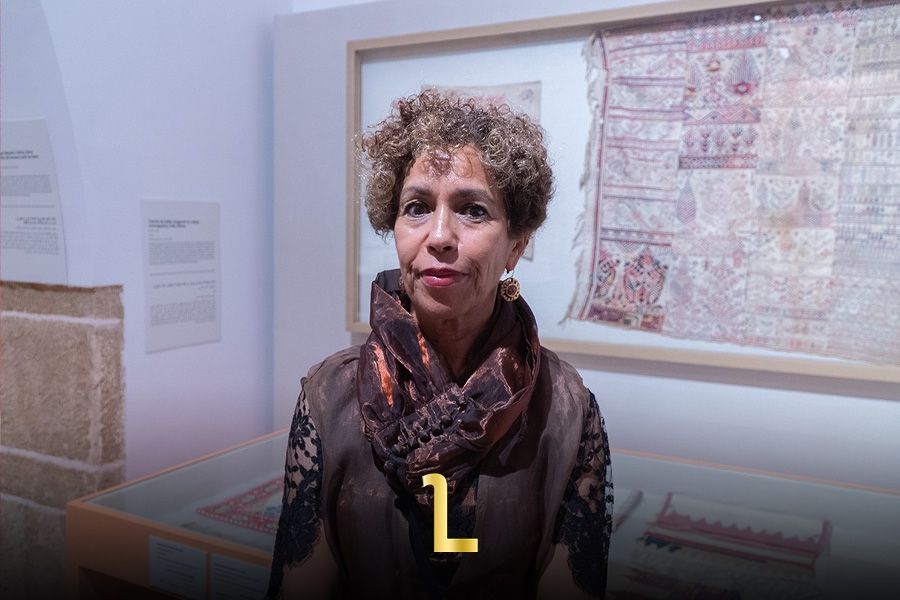
Her research focuses on Amazigh and Arab-Muslim textile traditions, extending beyond embroidery to weaving and other textile practices.
“I have been working on our textile heritage, our identity, and the preservation and promotion of our textile heritage,” Lévèque told Lifestyle magazine.
She explained that her approach combines artistic creation, exhibitions, publications, and historical research.
Her involvement in “Tarz” began through a collaboration with a museum preserving samples of Moroccan embroidery.
“I had the opportunity to collaborate with a museum that preserved an entire collection of small samples of Moroccan embroidery,” she said. “Using those samples, I developed the exhibition you can see here today.”
The project also includes an exhibition catalogue and research involving a scientific committee.
Lévèque has conceived contemporary textile works produced in collaboration with two Moroccan workshops, allowing historical techniques to enter into dialogue with current artistic practices.
Her broader career has also involved working with Moroccan textile artisans. A profile published by French authorities in Charente documents her commitment to promoting Moroccan weaving traditions and supporting the artisans who preserve them.
Bringing Moroccan textile heritage home
The Rabat exhibition marks another stage in a project that began in France.
“Tarz” was first presented at the Angoulême Museum in 2022 before traveling to the Arab World Institute in Tourcoing in 2023.
Its arrival in Morocco brings historical pieces from the French collection into dialogue with loans from Moroccan institutions and private collectors.
The exhibition also benefits from multidisciplinary research involving art historians, ethnologists, and designers.
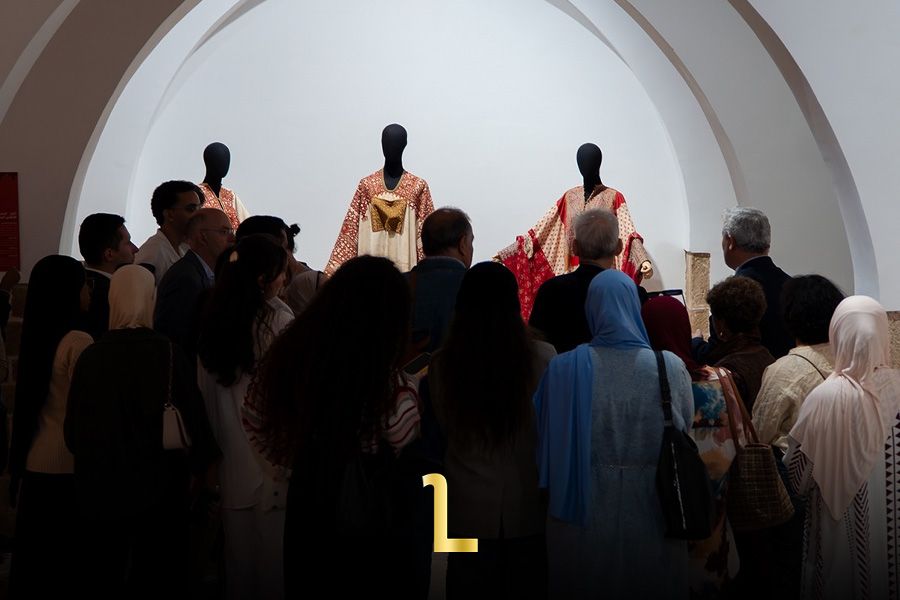
Its organizers aim to highlight both the historical importance of Moroccan embroidery and its continuing relevance to contemporary creation.
For Lévèque, that means preserving the knowledge contained in textile collections while finding new ways to interpret it.
For Qotbi, it also means bringing this heritage closer to Moroccan audiences, especially younger generations.
The exhibition offers more than a retrospective of Moroccan craftsmanship. It brings attention to the people who kept that knowledge alive, showing how centuries of artistic expression can continue to find meaning in the present.