The Smell of Home: How Certain Scents Carry Our Childhoods
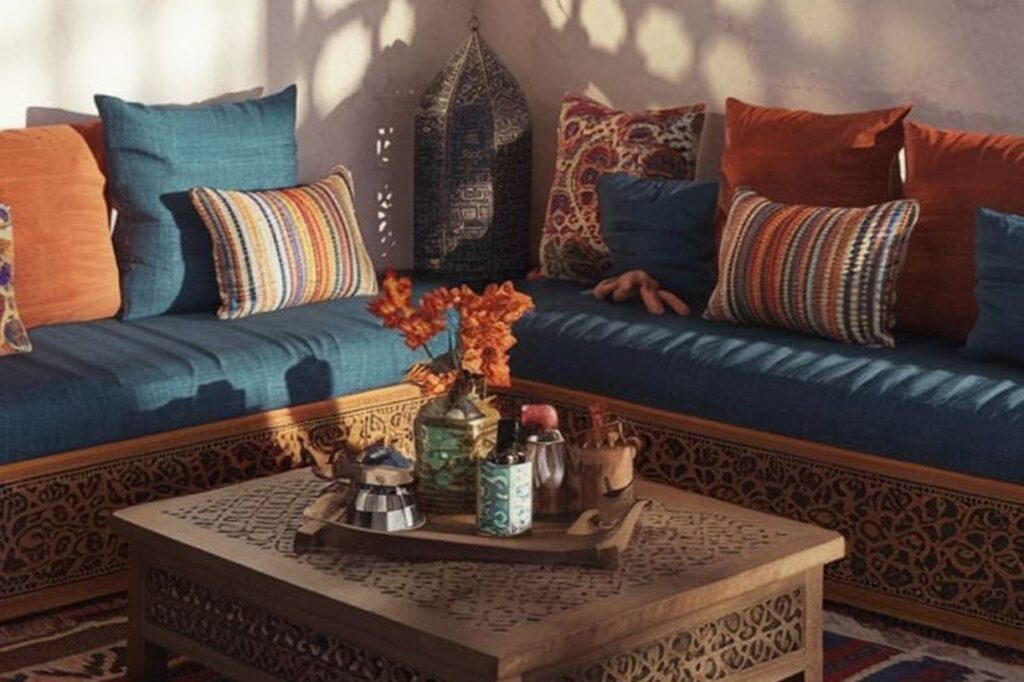
Some memories fade with time, but the scent of home never truly leaves you Fez – Some memories don’t live in photographs or stories. They linger in the air, carried by scents so familiar they take you back in an instant. In Morocco, childhood isn’t just something you remember, it’s something you smell. It begins at dawn, when the house fills with the warm, comforting scent of “msmen” sizzling on the pan. The rich aroma of melted butter and honey seeps into every corner, wrapping the morning in sweetness. In the kitchen, steam rises from a glass of “atay” – its minty freshness mingling with the slight bitterness of gunpowder tea. One sip, and you’re back at the breakfast table, your grandmother pouring tea from high above, her bangles clinking like a melody only she knows. Step outside, and the streets carry their own memories. The sharp, earthy scent of wet cobblestones after the first rain of the season. The mix of spices from the hanout, where cinnamon, cumin, and saffron blend into a perfume more powerful than any designer brand. And who could forget the unmistakable smell of “smen”? Aged, pungent, butter, tucked away in glass jars, waiting to add depth to a Friday couscous; whether you loved it or held your nose every time it appeared on the table. Then there’s the scent of the souks, a universe of its own. Leather bags stacked high in tiny shops, their rich aroma blending with the smoky scent of “sarghina” wafting from a nearby stall. The sticky sweetness of chebakia frying in bubbling oil during Ramadan, mixing with the floral, powdery smell of orange blossom water. It’s a scent that clings to your clothes, your hands, your memory, forever tied to nights of family, laughter, and the soft glow of lanterns. Home itself has a smell, one you don’t notice until you leave. The comforting mix of freshly washed blankets and the smell of “Sani Croix” curling through the air, and the soft, familiar touch of your mother’s perfume. That scent stays with you, hidden in the folds of your childhood, only to return when you least expect it, perhaps in a foreign land, when someone walks past wearing something eerily familiar, or when you open a suitcase and the fragrance of home drifts out like a secret waiting to be told. Some scents never leave us. They live in the depths of our memory, tucked away in the spices of a kitchen, the warmth of a grandmother’s scarf, the hidden corners of a souk. No matter how far we go, one breath is all it takes to return home. Read also: The Role of Music in Moroccan Public Life
Retro Games of Our Moroccan Childhood
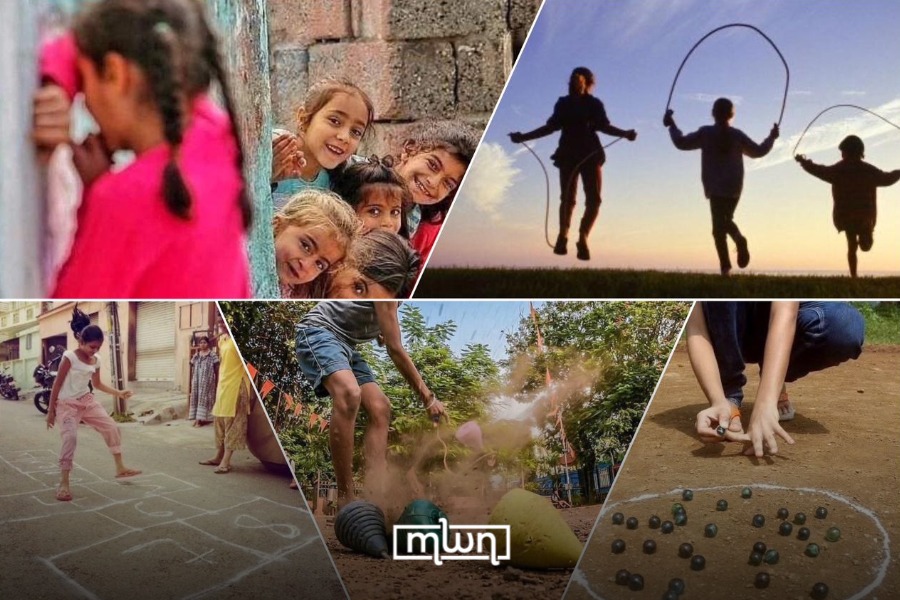
Before digital distractions came to colonize our lives, Moroccan childhoods were shaped by games whose charm and simplicity still hold a hint of mystery. Fez – Before the digital age, outdoor games, laughter, and creativity defined childhood in Morocco. These traditional pastimes weren’t just a way to pass the time—they fostered community, competition, and imagination. Today, they remain a cherished part of Morocco’s cultural heritage. Here’s a closer look at some of the most popular games from our childhood. HbilaHbila, meaning “rope,” is a game of agility and timing. Two players hold the ends of a rope, swinging it in a circular motion, while others jump in turn. The goal is to keep up with the rhythm without tripping. It’s a simple yet challenging game that often attracts enthusiastic spectators. PapayPapay is a game that combines skill and precision. Children begin by drawing a series of connected rectangles on the ground, numbering them in order. Using a flat stone, each player takes turns pushing it across the rectangles. The goal is to move the stone through all the rectangles in sequence without letting it touch the edges. This game encouraged focus and coordination, making it a favorite among children. L’binigL’binig revolves around small, colorful glass marbles. Players use a flicking motion with their thumb and forefinger to strike their opponents’ marbles. The aim is to knock the marbles into a small hole in the ground, requiring skill and strategy. This game’s competitive nature made it a thrilling pastime for many. TrombiaTrombia, or spinning tops, is a game that showcases precision and practice. Players wrap a string around a wooden top and release it with a quick pull to keep it spinning. Players aim to knock over others’ tops or hit specific targets in some versions. Trombia required patience and a steady hand, making it a test of skill. GhmaydaGhmayda, Morocco’s version of hide-and-seek, brought excitement and camaraderie. One player counts with their eyes closed while the others hide. The seeker then searches for everyone, turning the game into a race between stealth and discovery. Its simplicity made it a timeless favorite among children. These games were more than just entertainment; they taught lessons in teamwork, focus, and problem-solving. While modern technology has transformed how children play, revisiting these retro games offers a glimpse into a time when imagination and shared experiences were at the heart of childhood. Do you remember playing these games? Share your stories and keep the spirit of these traditions alive! Read also: Moroccans Are Spending MAD 500 Monthly on Fashion, Survey Reveals
Back to the Golden Days of Moroccan Sitcoms
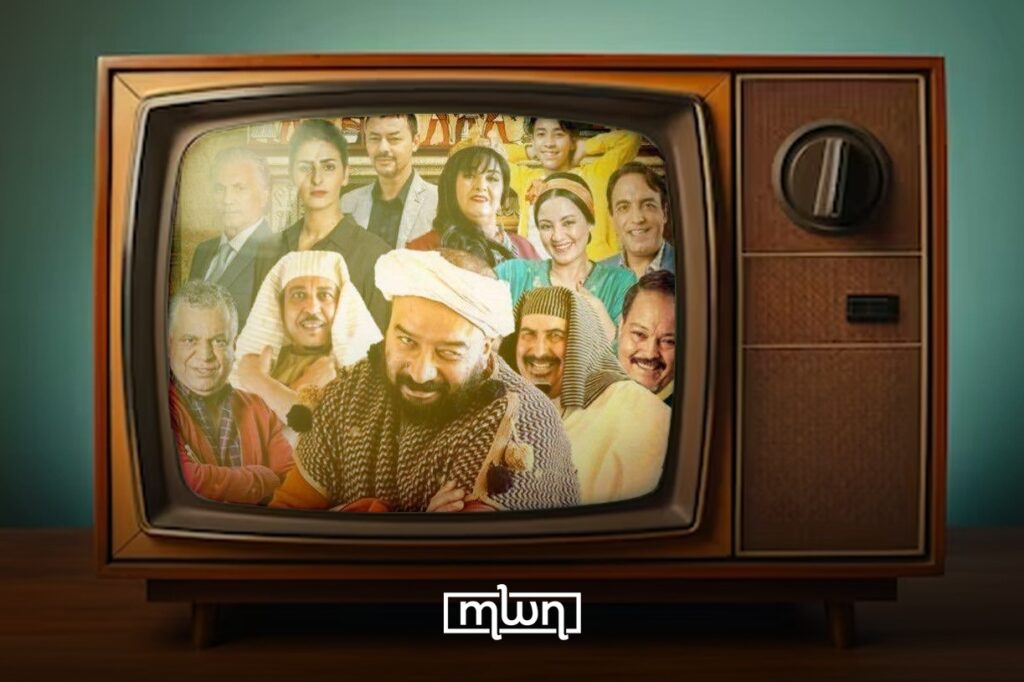
Before Netflix and TikTok took over our screens, these shows were the real MVPs of our childhood. Yak Hna Jiran Imagine a neighborhood where everyone’s up in each other’s business—sounds like your group chat, right? “Yak Hna Jiran” was all about that community drama, with neighbors who could give Gossip Girl a run for her money. The hilarious misunderstandings and over-the-fence gossip were the tea we lived for. Cool Center Before call centers became the backdrop for horror stories, there was “Cool Center.” This sitcom gave us a peek into the chaotic yet side-splitting world of customer service. Think “The Office,” but with more spice and sass. The quirky employees and their daily shenanigans made us LOL before it was even a thing. Ailat Si Marbouh Family drama? Check. Comedy gold? Double-check. “Ailat Si Marbouh” showcased the highs and lows of the Marbouh family, reminding us that every family has its quirks. From sibling rivalries to parental antics, it was like watching a Moroccan version of “Modern Family.” Hawlo Ela Mastour Ever tried to keep up appearances? “Hawlo Ela Mastour” was all about that facade life. The characters’ attempts to hide their flaws led to epic failures and hilarious moments. It was a comedic reminder that nobody’s perfect, and that’s totally okay. Dar Al Warata Inheritance drama hits different, especially in “Dar Al Warata.” When family members squabble over a Riad, chaos ensues. The show served us conflicts with a side of humor, making us grateful our family gatherings weren’t that intense. Lalla Fatima The queen bee, Lalla Fatima, was the matriarch we all feared and adored. Her witty comebacks and no-nonsense attitude were legendary. The show highlighted generational clashes and the evolving Moroccan society, all while serving top-tier comedy. Al âam twil Ever felt like your life was one long, winding road? “Leam Twil” (The Long Year) captured that vibe perfectly. The characters’ journeys, both literal and metaphorical, were filled with LOLs and life lessons. It was the ultimate binge before binge-watching was cool. These sitcoms were more than just TV shows; they were a cultural phenomenon that brought families together. They tackled societal issues with humor, making us laugh while subtly educating us. In a world now dominated by streaming platforms and viral content, these classics remind us of a simpler time when the whole family gathered around the TV, popcorn in hand, eagerly waiting for the next episode. So, what’s your favorite memory from these iconic shows? Did a particular episode make you LOL, or did a character remind you of that one uncle who always cracks dad jokes? Share your nostalgia and let’s keep the spirit of these golden days alive! Read more: Bollywood Icon Saif Ali Khan Stabbed in Horrifying Knife Assault at Home