When a Moroccan Sultan Ran for the Spanish Throne
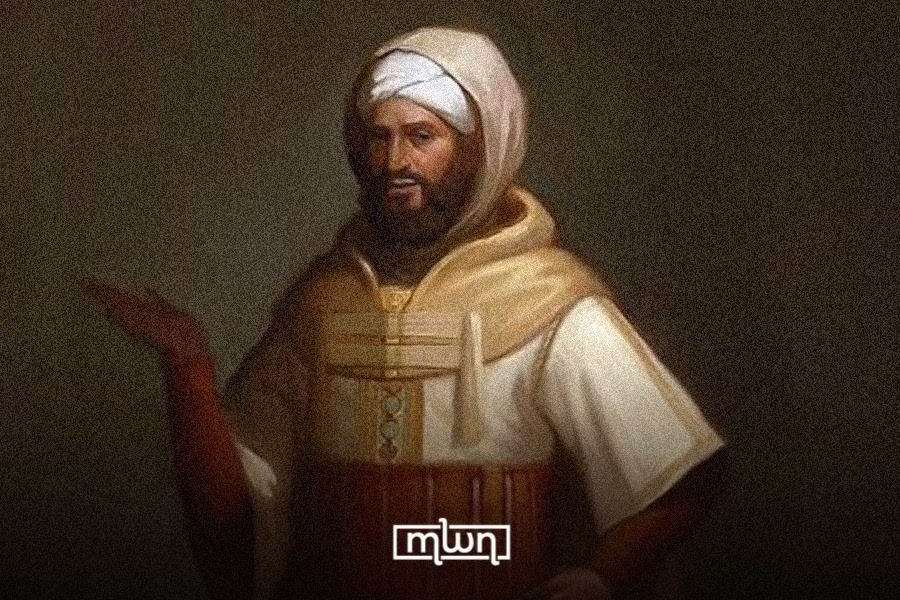
When Spain opened the throne to applicants, Sultan Mohammed IV of Morocco made an unexpected bid. Fez – In the long and often overlooked history of Moroccan-European relations, some events seem almost unbelievable. One of the most fascinating among them is the time a Moroccan sultan officially put himself forward as a candidate for the throne of Spain. The year was 1870. Spain had just overthrown Queen Isabella II following a major political uprising in 1868. The monarchy had collapsed, the queen was exiled in France, and the country was governed by a provisional government facing one major challenge: no one wanted to be king. The parliament refused to declare a republic, but no royal candidate seemed fit or willing to accept a drastically reduced monarchy, one with symbolic powers and little real authority. In this unusual political vacuum, Spain did something unprecedented in European history: it opened applications for the role of monarch. The only condition was that no one from the Bourbon dynasty “Isabella’s family” would be considered. Several royal candidates from across Europe submitted proposals. Among them was one that surprised everyone in Madrid: Sultan Mohammed IV of Morocco, also known as Sidi Mohammed ben Abd al-Rahman, submitted a formal request to become King of Spain. The Moroccan sultan came forward with a clear and symbolic vision: to unite both sides of the Strait of Gibraltar under one rule. He argued that history supported this idea. After all, North African rulers had once governed large parts of Spain. The most famous example was Yusuf ibn Tashfin, founder of the Almoravid dynasty. In his proposal, the sultan suggested that a shared monarchy would bring peace between the two regions, something sorely needed after the bloody Hispano-Moroccan War of 1859–1860. But the Spanish government, though intrigued, quickly rejected the idea. Religion was the first and strongest obstacle: Spain was a Catholic country, and the thought of a Muslim sultan as king was politically unthinkable. Additionally, no candidate could legally hold two thrones at once. The Spanish military elite, still viewing Morocco as a potential colonial target, strongly opposed the proposal. In the end, Spain chose an Italian prince, Amadeo of Savoy, who became king in 1871. But he resigned only two years later, unable to manage Spain’s deep political divisions. The monarchy was eventually restored under the Bourbon family with King Alfonso XII. Ironically, just four decades after Sultan Mohammed IV’s rejected candidacy, Morocco itself fell under colonial rule. In 1912, France and Spain divided control over the country. Spain governed the north, including the Rif region, while France took the larger central and southern areas. The descendants of the sultan who once dreamed of ruling Spain now lived under its rule. This episode, now forgotten by many, reveals the complexity of Mediterranean history, full of shared ambitions, rivalries, and cultural entanglements. It reminds us that the idea of uniting both sides of the Strait of Gibraltar, politically, culturally, or economically, has deep roots. Read also: Professor Mohamed Hilout and the Astrolabe’s Quiet Revolution
Royal Comebacks: Princesses Return to the Spotlight in 2024
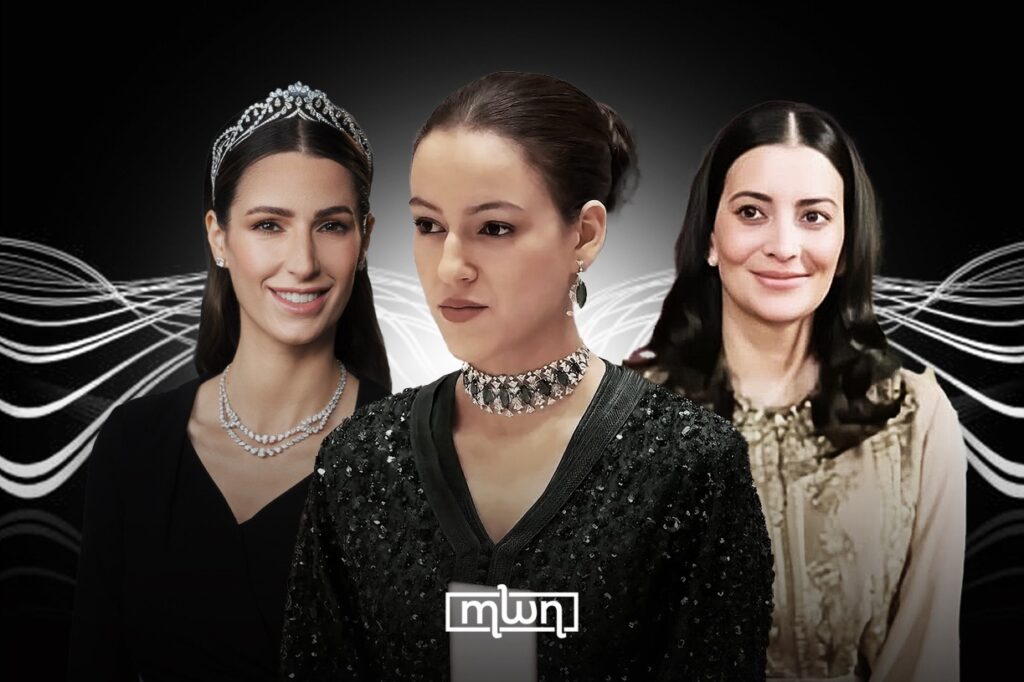
Just like Disney, these international royals surprised all. Let’s take a look how. Fez – Last year will be remembered as the year when long-absent royals made their way back into the public eye, delighting royal watchers and rekindling interest in majestic lives. Here are some of the most remarkable royal reappearances that have captivated attention this year. Princess Lalla Khadija of Morocco Morocco’s young Princess Lalla Khadija stepped back into the limelight during an official reception for French President Emmanuel Macron. This marked her first public appearance since 2019, leaving Moroccans delighted to see the princess representing her country on the international stage. At just 17 years old, Lalla Khadija’s poised demeanor signaled her growing role within Morocco’s monarchy, highlighting a new chapter of engagement for the younger generation. Princess Lalla Oum Keltoum of Morocco Another cherished figure in Morocco’s royal family, Princess Lalla Keltoum, wife of Prince Moulay Rachid, surprised the public by attending the Marrakech International Film Festival in 2024. Known for her discretion, Lalla Keltoum’s reappearance at this prestigious event, alongside global stars and filmmakers, added a touch of royal elegance to the festival. Her presence highlighted the monarchy’s support for arts and culture in Morocco. Reem bint Al-Waleed bin Talal bin Abdulaziz Al Saud of Saudi Arabia Princess Reem, a member of Saudi Arabia’s royal family, stunned the public with her graceful return after years of absence. The last time she was seen publicly was before her wedding in 2007. Her reappearance this year was a moment of nostalgia and celebration for those who remembered her elegance and charm from earlier years. Her return is a significant reminder of the cultural shifts and evolving roles within royal families in the Gulf region. Princess Rajwa of Jordan In Jordan, Princess Rajwa, wife of Crown Prince Hussein, made headlines with her return to public life after giving birth. Her graceful reappearance reminded many of her vital role in modernizing the image of Jordan’s royal family. Her first public engagements since her maternity break were marked by warmth and a renewed sense of purpose. A historic Jordanian royal family photo For the first time in years, a