Fez — Spain’s Alhambra has inaugurated Europe’s first museum space dedicated to Amazigh culture, placing Morocco’s heritage inside one of the most symbolic monuments of Andalusian history.
The new “Espace Amazigh” opened on Saturday, June 13, at the Carmen de los Porcel in Granada. The project was developed through cooperation between the Doctor Leïla Mezian Foundation and Andalusian cultural authorities.
The inauguration brought together Moroccan and Spanish figures, including King Mohammed VI’s adviser André Azoulay, Morocco’s ambassador to Spain Karima Benyaich, and Andalusia’s culture and sports official Patricia del Pozo Fernández.
The space honors the late Leïla Mezian Benjelloun, who spent decades collecting and preserving Amazigh artifacts. Her foundation contributed much of the collection now displayed in Granada.
A Moroccan cultural imprint in Granada
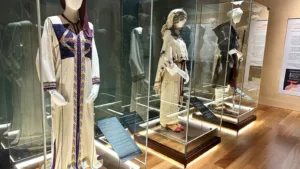
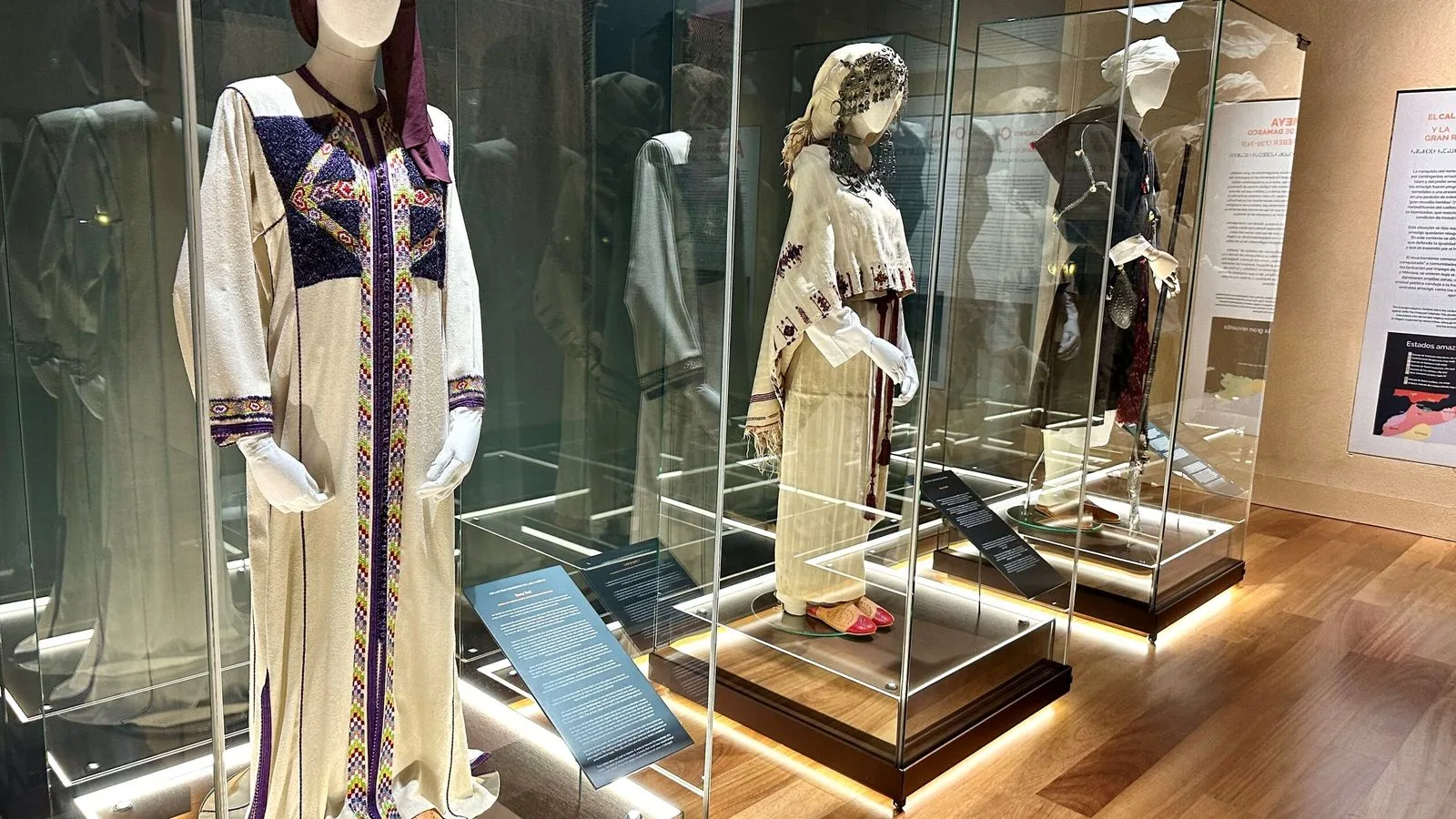
The new museum space covers 250 square meters, including 200 square meters for a permanent exhibition. It features jewelry, carpets, ceramics, ceremonial weapons, and traditional objects reflecting Amazigh craftsmanship and social life.
The collection also includes Amazigh jewelry donated by Jorge Dezcallar, Spain’s former ambassador to Morocco, alongside pieces linked to the Alhambra’s own collections.
The project gives visitors a broader reading of Granada’s history. The city was founded in 1013 by the Zirid dynasty, an Amazigh dynasty that helped shape the early political and urban history of Al-Andalus.
The exhibition also highlights the role of the Almoravids, Almohads, and Marinids in the history of Andalusia, strengthening the museum’s connection to Moroccan and broader Maghrebi heritage.
A restored site with new purpose
The “Espace Amazigh” is housed in Carmen de los Porcel, a historic complex near the Alhambra. Restoration work on the site was completed in 2025 after an investment of about €1.266 million (nearly MAD 13.6 million) by the Patronato de la Alhambra y Generalife.
The restored complex includes Nasrid-era remains and was adapted for museum use before hosting the Amazigh cultural space.
The experience also includes 17 films presenting Amazigh architecture, music, ceremonies, and traditions. These audiovisual materials aim to show the culture as a living heritage rather than a frozen historical subject.