Rabat – The story of Aïcha Kandicha, told by a grandmother at bedtime, or half-jokingly by a parent trying to keep a kid from wandering too far.
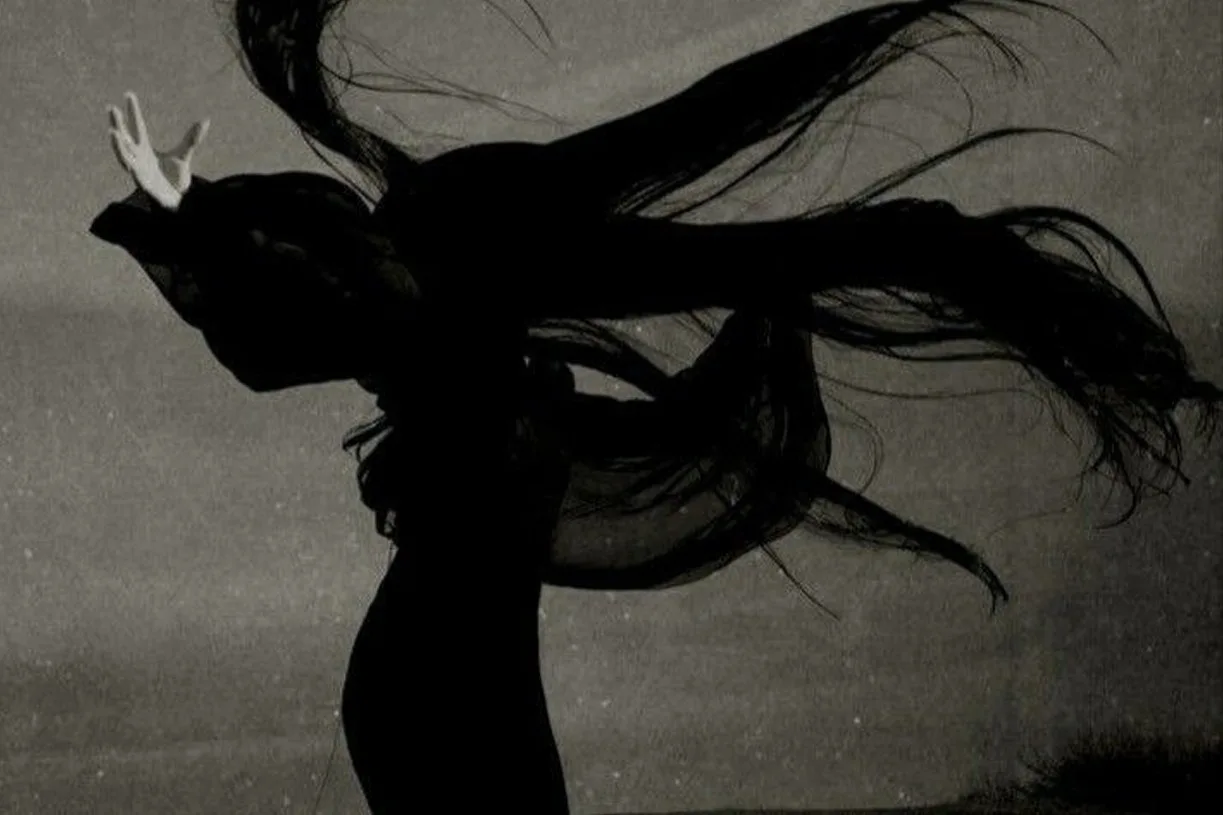
She’s usually described as a strikingly beautiful woman, long dark spotted near rivers or wells at night.
The catch is her feet, she has goat or camel hooves hidden beneath her robe. By the time a man notices them, it’s already too late.
From warrior to warning
One of the most repeated origin stories places Aïcha in the 16th century, during Portuguese incursions along Morocco’s Atlantic coast.
As Portuguese forces took towns like Agadir and Mazagan (today’s El Jadida), local tribes resisted.
According to the legend, a woman used her beauty to lure soldiers into ambushes at night, where accomplices killed them.
It’s a familiar pattern in folklore, a woman who was dangerous to power becomes, generations later, simply “dangerous.”
The resistance fades from memory but the fear stays.
From a Feminist Perspective
That reframing a heroine into a monster, is exactly what recent feminist scholarship has picked up on. An academic chapter titled “Feminism with Swords and Hooves” examines two horror films built around the character Moroccan director Jerome Cohen-Olivar’s 2008 “Kandisha,” and the 2020 French film of the same name by Alexandre Bustillo and Julien Maury.
Both reimagine her not as a threat to be feared, but as an avenger a spirit conjured, deliberately or not, to deliver justice against abusive men. Other Moroccan writers have pushed the reframing further, arguing that almost nothing about Aïcha Kandicha is historically verifiable.
In the absence of documentation, they argue, folklore becomes one of the easiest tools for erasing a powerful woman from history and replacing her with a cautionary tale instead.
What the legend says about Moroccan culture?
Kandisha Legend does quiet cultural work, warning men against wandering alone at night, against infidelity, while giving communities a shared explanation for sudden illness or misfortune long before anyone had another vocabulary for it.
Like most enduring folklore, she survives because she’s a flexible, colonial resistance fighter, temptress, cautionary tale, depending on who’s telling the story and why.
Read Also: The Real Aicha Kandicha: Legend, Heroine, or Myth?