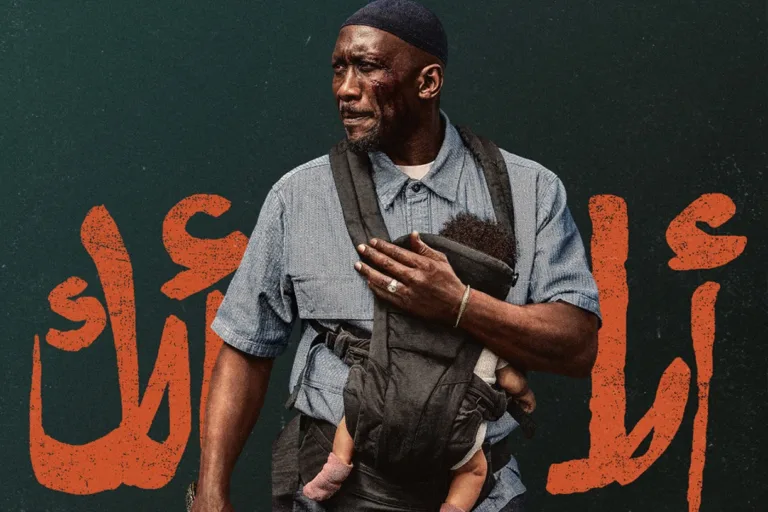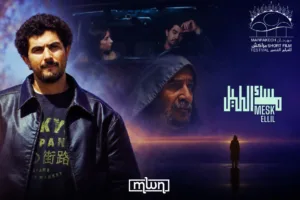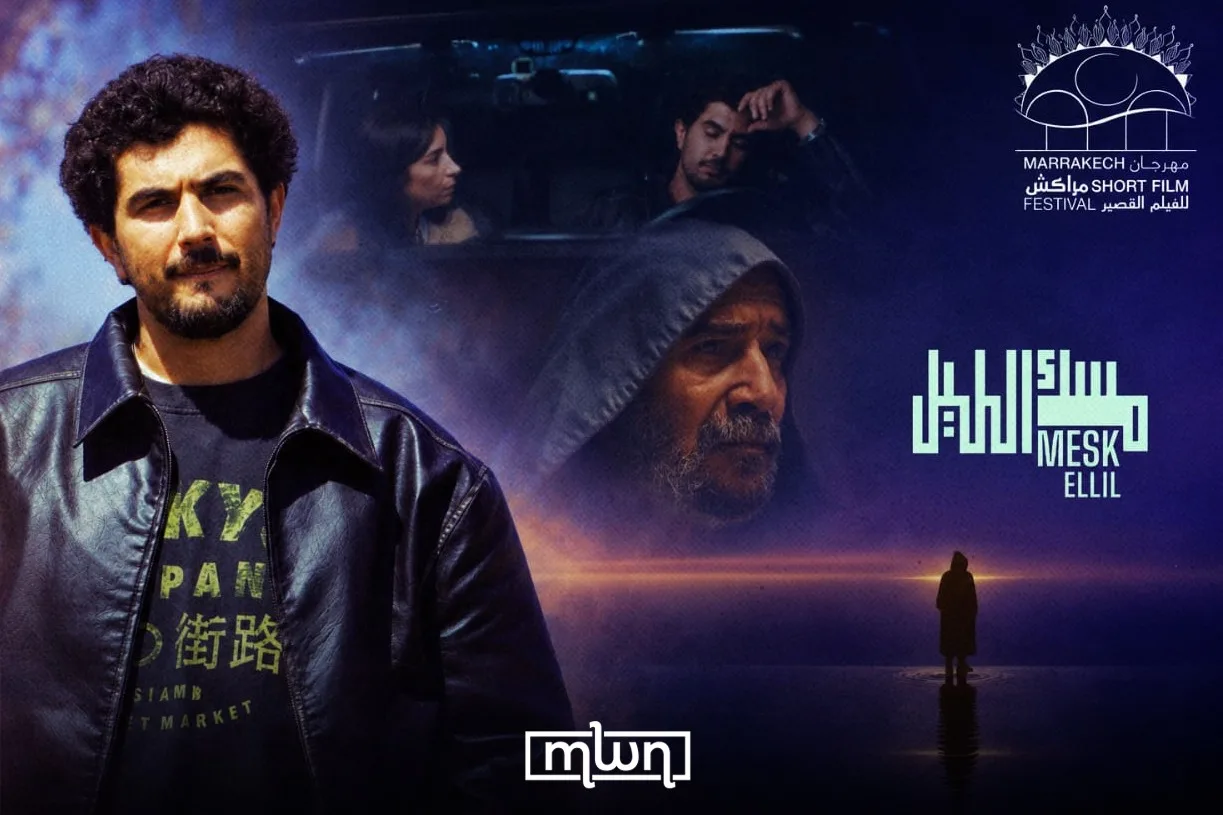
Rabat – A stranded couple arrives at the home of an isolated old man seeking shelter. He is armed, suspicious, and deeply afraid of what may be waiting outside. As the night unfolds, the house gradually becomes a space where safety and danger begin to blur.
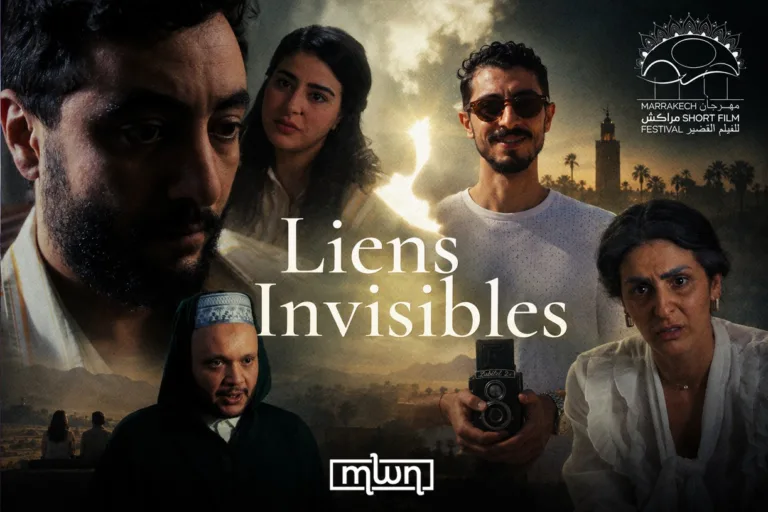
This is the premise of “Mesk Ellil,” a Moroccan short film directed by and starring actor and filmmaker Adnane Rami. The film will screen as part of the sixth edition of the Marrakech Short Film Festival, taking place from September 25 to 30 in Marrakech. The festival received more than 400 submissions from over 90 countries and five continents for this year’s edition.
In an interview with MWN Lifestyle magazine, Rami explained that the idea for “Mesk Ellil” came from a deeply personal moment involving a close friend.
“I witnessed an exchange that deeply moved me,” he said. “It was incredibly beautiful and incredibly sad at the same time, and it stayed with me long after that night.”
Rami chose not to reveal the details of the real-life experience that inspired the film, believing that some of the story should remain for audiences to discover. The person who inspired the initial idea eventually watched the finished film and was deeply moved by it, making the project even more meaningful for the filmmaker.
From tension to warmth
The emotional progression of “Mesk Ellil” is central to Rami’s approach to storytelling.
The film begins with uncertainty. A couple arrives unexpectedly at the home of a man who lives isolated from the outside world, immediately creating a sense of suspicion and unease. As the characters spend more time together, however, the initial tension slowly gives way to a warm and intimate human connection.
Rami described the intended experience as a movement between “two emotional temperatures,” taking the audience from something cold and unsettling toward something warmer.
“At first, I wanted the audience to experience tension, uncertainty, and suspense, almost as if they were entering a thriller,” he said. “Then, little by little, I wanted that tension to give way to something softer and more comforting.”
The result is a story that uses the conventions of suspense to explore something more intimate, including how people respond to fear, loneliness, and the possibility of trusting someone they do not know.
The festival describes the film as a story about a couple who, after a flat tire leaves them stranded, seek refuge with a wary old man living alone in an isolated house. As the couple settles into the home, the man’s fear of an unseen presence outside grows, gradually exposing the fragile balance between shelter and threat.
For Rami, however, the tension is ultimately a means of taking audiences somewhere else.
“The film is really about making that emotional journey,” he said, “beginning with doubt and unease, and eventually arriving somewhere warmer, gentler, and more peaceful.”
Directing from both sides
Making “Mesk Ellil” also presented Rami with a personal challenge. Although he works both as an actor and filmmaker, this was his first time performing in a film he was simultaneously directing.
Rami plays Youssef, one of the characters at the center of the story. Taking on both responsibilities meant that he had to find a way to step outside himself as an actor while remaining closely involved in the film’s overall direction.
“I was very fortunate to be surrounded by a rigorous technical crew and wonderful actors,” he said.
Rather than tightly controlling every performance, Rami encouraged the cast to experiment. He gave the actors room to improvise, move away from the written dialogue when necessary, and respond naturally to one another.
That approach was particularly important given the film’s reliance on atmosphere and uncertainty. The tension does not come only from the script, but also from how the characters behave and react in the confined space of the house.
Rami also relied on his first assistant director, Sami Saïf, who is a filmmaker himself. While Rami was in front of the camera, Saïf could step in to direct him and ensure that the intentions Rami had established as director remained consistent in his performance.
“I think that trust within the team was essential in creating the atmosphere of doubt, tension, and suspense that the film needed,” Rami said.
A place for short films
The Marrakech Short Film Festival will give “Mesk Ellil” a platform alongside Moroccan and international short films during its sixth edition. The festival has positioned this year’s event around cultural exchange, emerging cinematic voices, and the role of short films in connecting Marrakech with filmmakers from around the world.
For Rami, being selected is significant both because it brings attention to his own film and because it highlights the importance of the short-film format itself.
“It is truly an honor to be part of this year’s selection,” he said.
Rami sees short films as an important training ground for filmmakers and other cinema professionals. Their shorter format allows artists to experiment with ideas, genres and visual languages without necessarily committing to the scale of a feature film.
“Short films allow us to discover our voice, to explore the genres, worlds and themes we are drawn to, and to nourish that first desire to make films,” he said.
Rami’s own career reflects that progression. He has directed several short films, including Jerkyflow, which received recognition at festivals, while also working as an actor. He returned to Casablanca in 2024 after spending seven years in Paris, and has since appeared in projects including the British series Prime Target and Jérôme Cohen-Olivar’s feature film Autisto. He is currently preparing his next short film, Itto, as well as his first feature, Rajol.
His participation in “Mesk Ellil” also reflects the increasingly varied spaces available to Moroccan filmmakers working across acting and directing.
The Marrakech Short Film Festival, which runs from September 25 to 30, has received submissions from more than 90 countries for its sixth edition. This reinforces the event’s international dimension while maintaining a focus on Moroccan talent.
For Rami, that combination matters. He believes Morocco needs not only more people making short films, but also more audiences watching them.
“We should make more short films, watch more short films and give them more visibility,” he said.
As “Mesk Ellil” prepares to meet audiences in Marrakech, Rami hopes the film’s carefully built tension will ultimately lead viewers toward the same emotional destination that guided its creation, away from fear and uncertainty, and toward something more human, intimate, and hopeful.