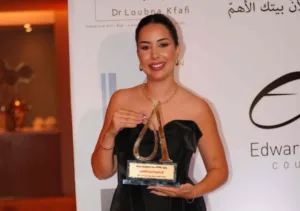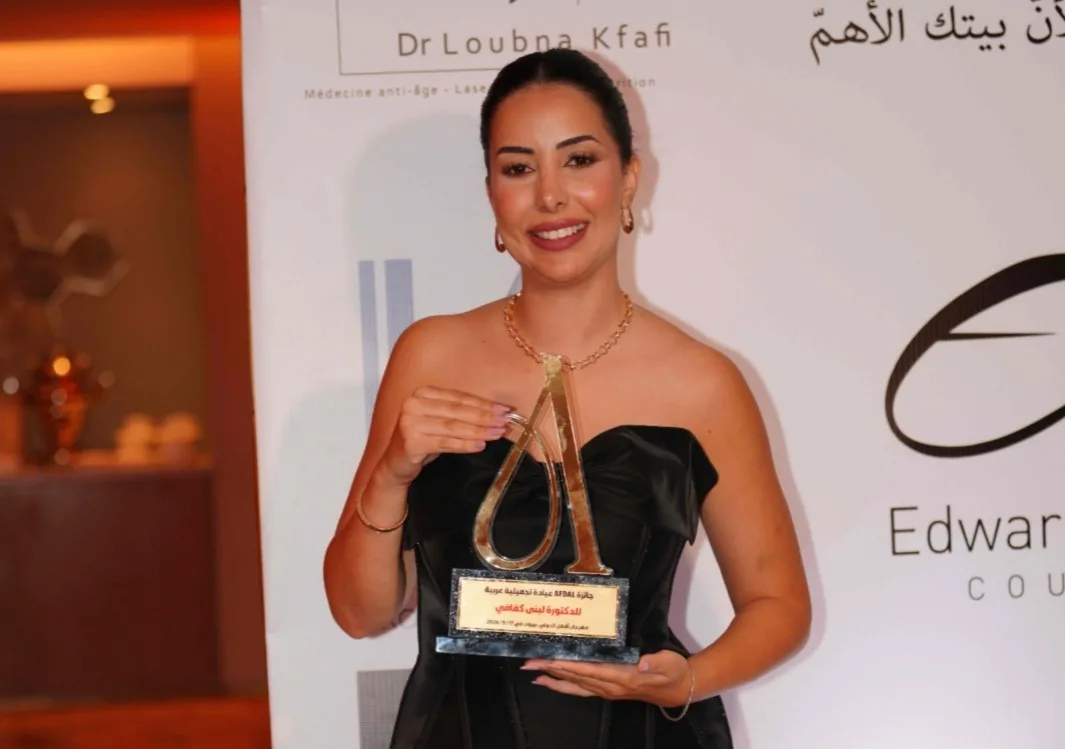
Fez — Moroccan aesthetic physician Dr. Loubna Kfafi has been recognized in Beirut with the Afdal Award for Best Aesthetic Clinic in the Arab World, putting her Meknes-based practice in the spotlight alongside clinics from across the region.
The distinction was presented during the ninth edition of the Afdal Awards, an event in the Lebanese capital recognizing professionals and organizations across several sectors in the Arab world. The award category specifically recognizes aesthetic medicine practices.
For Kfafi, the recognition arrives after years spent building a practice around a broader idea of aesthetics, one that looks beyond an isolated treatment or single concern.
Her clinic describes its approach as holistic and personalized, combining aesthetic medicine with medical lasers, nutrition, micronutrition, skin care, and anti-aging protocols. Kfafi has trained in Morocco, France, and Turkey and also participates in professional training and specialist conferences.
Looking beyond a single treatment
Aesthetic medicine has increasingly moved toward treatments designed to preserve rather than dramatically change a patient’s appearance.
Kfafi has positioned her work within that shift.
In a June interview with Femmes du Maroc, she explained that she sees ethical aesthetic medicine as rooted in listening, transparency, and respect for the patient’s identity rather than following beauty trends or trying to transform a face.
That philosophy also appears in the way her clinic structures consultations. Rather than focusing only on a visible concern, the practice says it considers factors including skin quality, lifestyle, nutrition, stress, and individual aesthetic goals before developing a treatment plan.
The clinic currently offers treatments across facial care, hair care, body treatments, and intimate wellness, with medical lasers and injectable treatments among its services.
A Moroccan practice on a regional stage
In a press release announcing the Beirut award, Kfafi’s team framed the recognition as part of a wider ambition to show that Moroccan aesthetic medicine can compete within a regional market that includes established practices in Lebanon, Egypt, and Gulf countries.
Kfafi herself has emphasized that the technical side of aesthetic medicine should remain tied to a wider medical responsibility.
Her work also includes training other physicians, an area she considers closely connected to professional standards and patient safety. Her official profile notes regular participation in medical workshops, demonstrations, and specialized conferences.
The Afdal Award gives that work a new regional platform.
Kfafi’s Beirut recognition places a Moroccan clinic within that evolving conversation, where beauty, wellness, and medicine increasingly overlap.