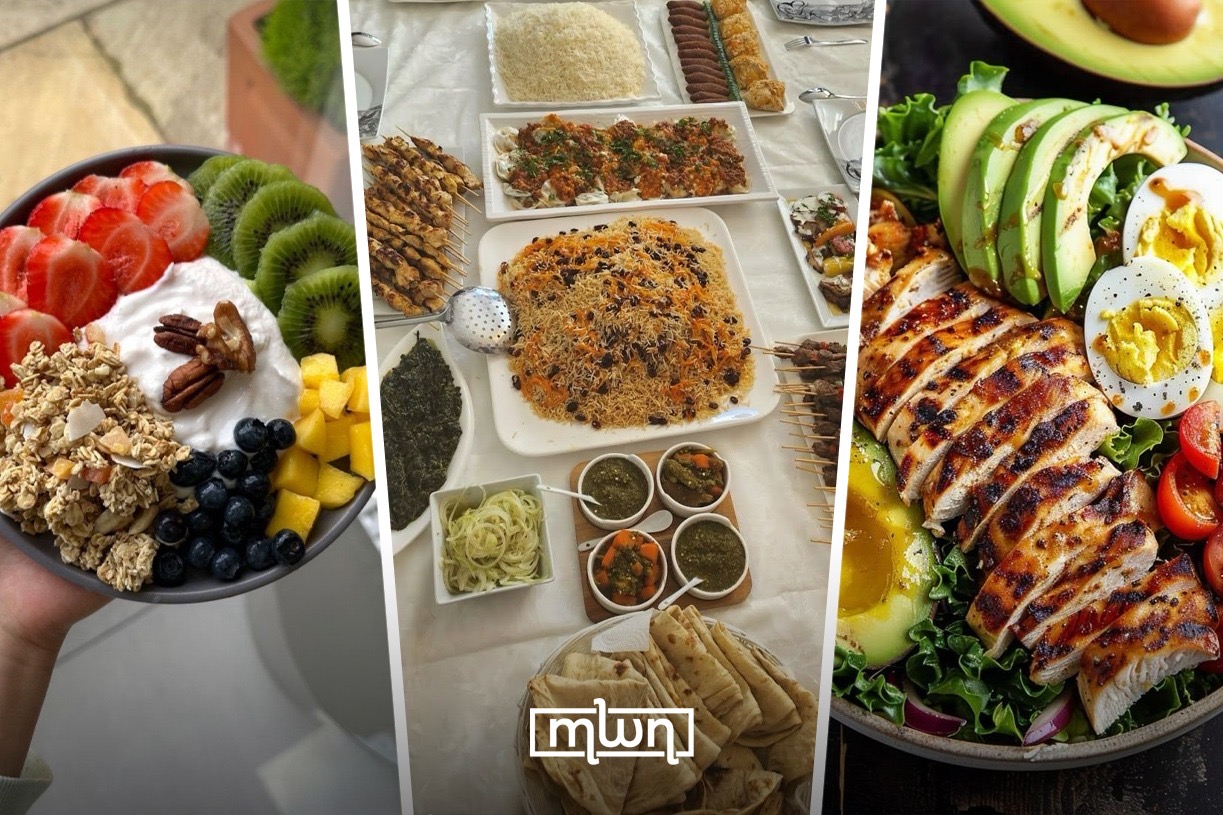
As the holy month of Ramadan approaches, Muslims around the world prepare for the daily fast, marking a time for reflection, spirituality, and self-discipline.
Marrakech – While fasting from dawn to sunset is a central practice, the way we break our fast plays a significant role in maintaining overall health.
Here are some tips to help you have a healthy iftar and nourish your body after hours of fasting.
Start with water
After a long day without food or water, it’s essential to rehydrate your body.
Start your ftour with a glass of water, followed by a few sips at intervals to avoid overwhelming your stomach.
This helps rehydrate you without causing discomfort, as drinking too quickly can lead to bloating or indigestion.
Break your fast with dates
Traditionally, dates are eaten to break the fast, and for good reason.
Dates are rich in natural sugars, which provide a quick energy boost.
They also contain fiber, potassium, magnesium, and vitamins, making them a great choice for replenishing lost nutrients and providing a steady source of energy throughout the evening.
Opt for a balanced meal
For the main ftour meal, ensure a balance of carbohydrates, proteins, healthy fats, and vegetables.
Whole grains such as brown rice, quinoa, or whole-wheat bread are excellent sources of complex carbohydrates that provide lasting energy.
Lean proteins like chicken, fish, or legumes help maintain muscle mass, while healthy fats found in olive oil, nuts, and avocado support brain function and keep you feeling satisfied.
Include plenty of vegetables
Vegetables are packed with vitamins, minerals, and fiber, which are crucial for maintaining health during Ramadan.
Fill half your plate with colorful vegetables like tomatoes, cucumbers, spinach, carrots, and bell peppers.
These will hydrate you, aid digestion, and help keep you feeling full without excess calories.
Avoid fried foods
Although fried foods are popular during Ramadan, they can lead to heavy digestion, bloating, and increased thirst. Instead of deep-fried samosas, spring rolls, or “‘pakoras”, consider grilling or baking your food.
If you must indulge in fried items, try using healthier oils like olive oil and keep portions small.
Watch your portions
It’s easy to overeat after a long day of fasting, but large portions can lead to discomfort, indigestion, and fatigue. Start with small servings and eat slowly.
Listen to your body’s signals of fullness, and avoid overeating, as this can lead to sluggishness and decreased energy.
Include hydrating foods
While water is essential, you can also include hydrating foods to keep your body replenished.
Foods such as watermelon, cucumbers, and oranges contain high water content and can help keep your body hydrated without excessive amounts of sugary drinks.
Mind your sweets
Although it’s tempting to indulge in sweet treats during Ramadan, be mindful of sugar intake.
Desserts like baklava, “kunafa”, or “qatayef” are delicious but often packed with sugar and fat.
Opt for healthier alternatives like fruit salad with a drizzle of honey or homemade desserts with less sugar to satisfy your sweet cravings without overloading your system.
Don’t skip suhoor
While suhoor is the pre-dawn meal, it’s crucial for maintaining energy levels throughout the day.
Opt for slow-digesting foods like oats, whole wheat bread, yogurt, and eggs, which provide sustained energy and prevent midday hunger pangs.
Pair with water to ensure proper hydration before the fast begins.
Stay active
Moderate exercise after ftour can aid digestion and help prevent weight gain during Ramadan.
A light walk or stretching can enhance circulation and boost your mood.
However, avoid intense physical activity immediately after eating, as this can cause discomfort and disrupt digestion.
Stay healthy!