Couscous vs. Attiéké: Why These Two African Staples Are Often Confused
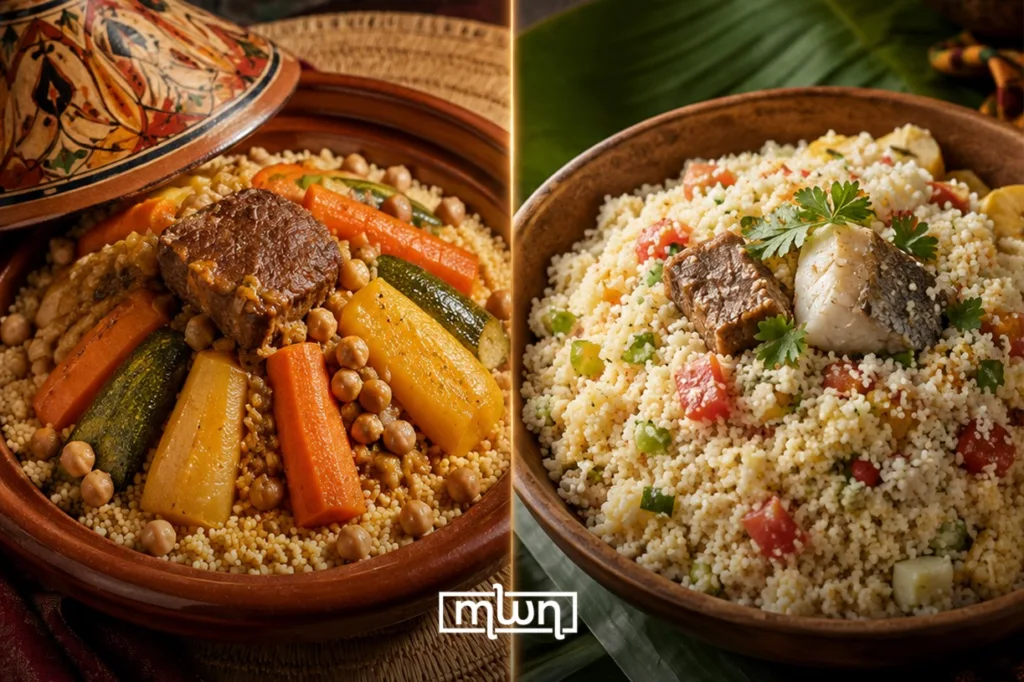
Together, they highlight how different cultures can create foods with similar textures while celebrating local ingredients and traditions.
Moroccan Kourdas Couscous Keeps an Old Preservation Tradition Alive
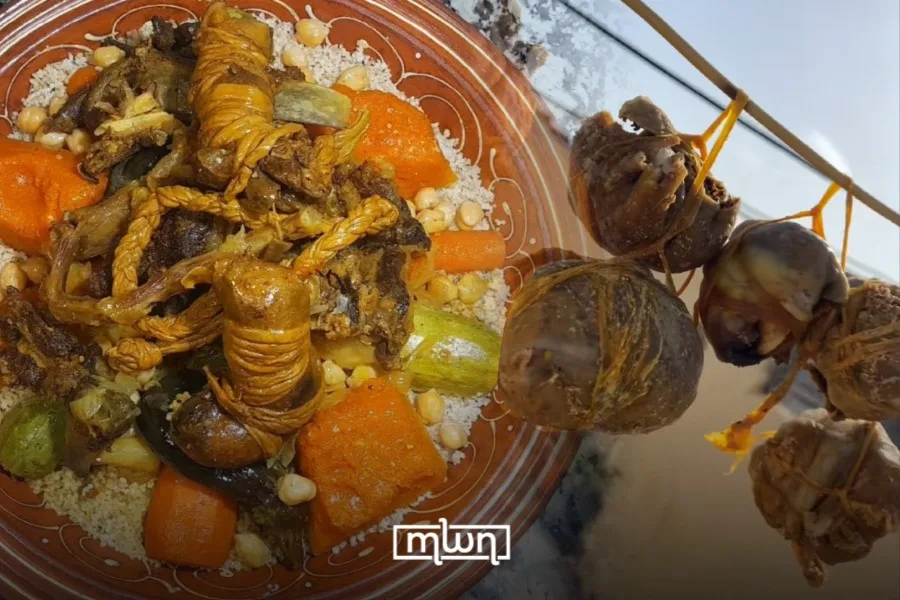
Rich, saltty, and deeply tied to rural memory, kourdas couscous turns preserved meat into one of Morocco’s most distinctive comfort dishes.
Couscous Appears on NASA’s Artemis II Menu for Moon Mission

NASA’s 10-day Artemis II mission includes couscous with nuts among 189 food and drink items selected for the crew’s journey around the Moon.
6 Reasons to Add Couscous to Your Plate More Often

In every grain, couscous offers a little bit of nourishment, energy, and tradition. So next time you’re thinking about what to cook, remember: a bowl of couscous is always a good idea.
Friday Couscous in Morocco: Food, Family, and Well-Being
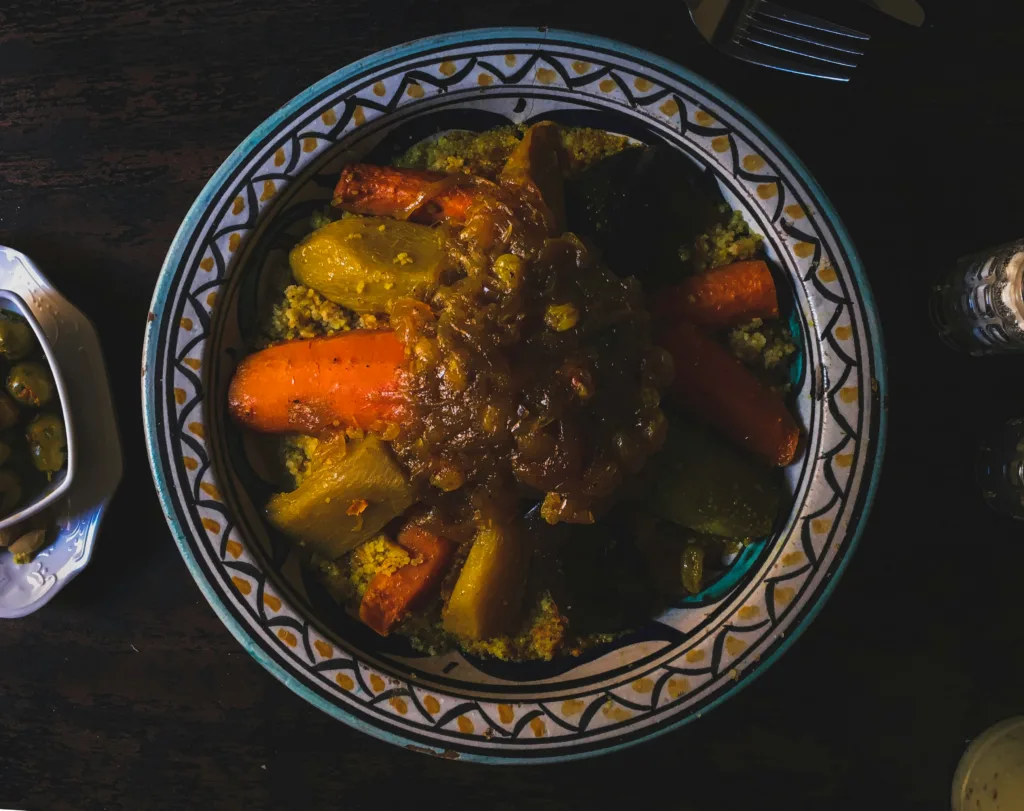
In Morocco, Friday couscous is a weekly ritual that feeds both body and community.
Darkoum Is Officially the Home of the Best Couscous in Paris
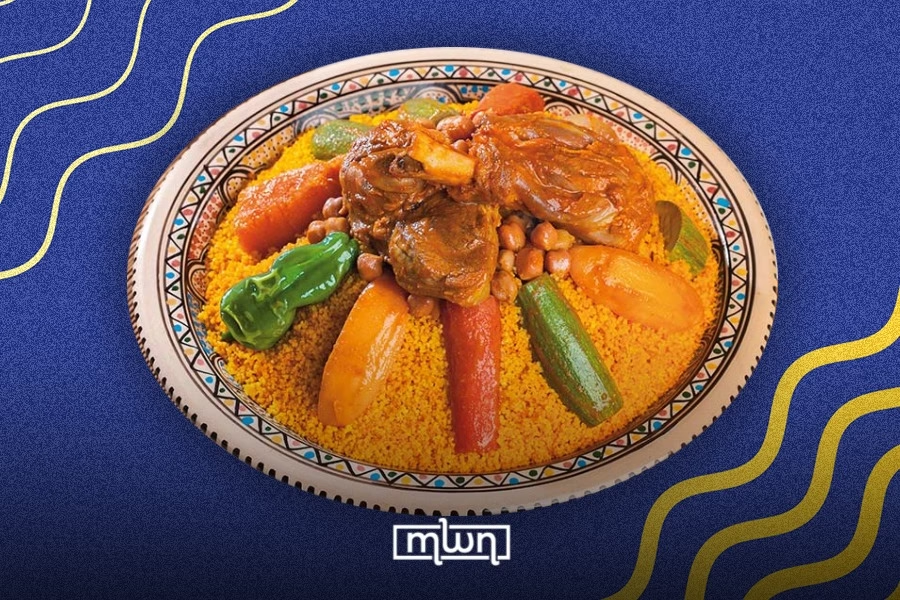
Darkoum’s couscous doesn’t aim to impress through novelty, but through balance – grains that are light without being dry, vegetables cooked through but never soft, and meat that’s seasoned with intention rather than force. Fez – Darkoum, a modest eatery located at 17 rue Daguerre in Paris’s 14th arrondissement, has been named the home of the best couscous in Île-de-France region for 2025. The award was handed out during a culinary competition hosted by the Institut du Monde Arabe, an annual event that has quietly become the definitive test of couscous in the Paris region. This year’s panel included two of the most recognizable figures in Moroccan gastronomy, Choumicha and Krimo, who judged each dish for precision, depth of flavour, and fidelity to tradition. Darkoum is no stranger to this competition. The restaurant placed second in 2022 and has since dominated the contest, taking first place in both 2023 and 2024. With its 2025 win, Darkoum has established itself not just as a reliable local spot but as a culinary benchmark. The man behind the restaurant is Jamel, who has been running the kitchen at Darkoum for over twenty years. His food doesn’t chase trends. The menu is grounded in the kind of Moroccan cooking that’s quietly confident, dishes that speak for themselves without embellishment. Read also: Five Senses Plan Reimagines Fez’s Restored Fondouks as Creative Hubs There is couscous, of course, prepared in the classic style, but also “mrouzia,” “tajines,” and “rfissa,” all made with a steady hand and long memory. What distinguishes Darkoum’s couscous is its restraint. It doesn’t aim to impress through novelty, but through balance, grains that are light without being dry, vegetables cooked through but never soft, and meat that’s seasoned with intention rather than force. It’s the kind of dish that holds together without effort. No component distracts from the others, and nothing is overworked. That might sound simple, but simplicity in couscous is rarely achieved. It requires skill, not just in execution but in judgment, knowing when to leave something alone, when to let the ingredients do the work. The competition itself reflects the evolving place of couscous in French culture. While couscous has long been considered one of the country’s most beloved dishes, this kind of recognition affirms its roots and the people who continue to make it with care. It’s also a reminder that Moroccan cuisine in Paris is not limited to grand restaurants or headline-making chefs. Some of the best cooking still happens in neighbourhood kitchens, where consistency matters more than spectacle. Darkoum’s win this year wasn’t a surprise. It was a confirmation. And if you’re serious about couscous, it’s the place to go while in Paris. No reservations, no slogans, just a door on rue Daguerre, and a dish that now comes with proof.
Introducing You to Different Types of Couscous
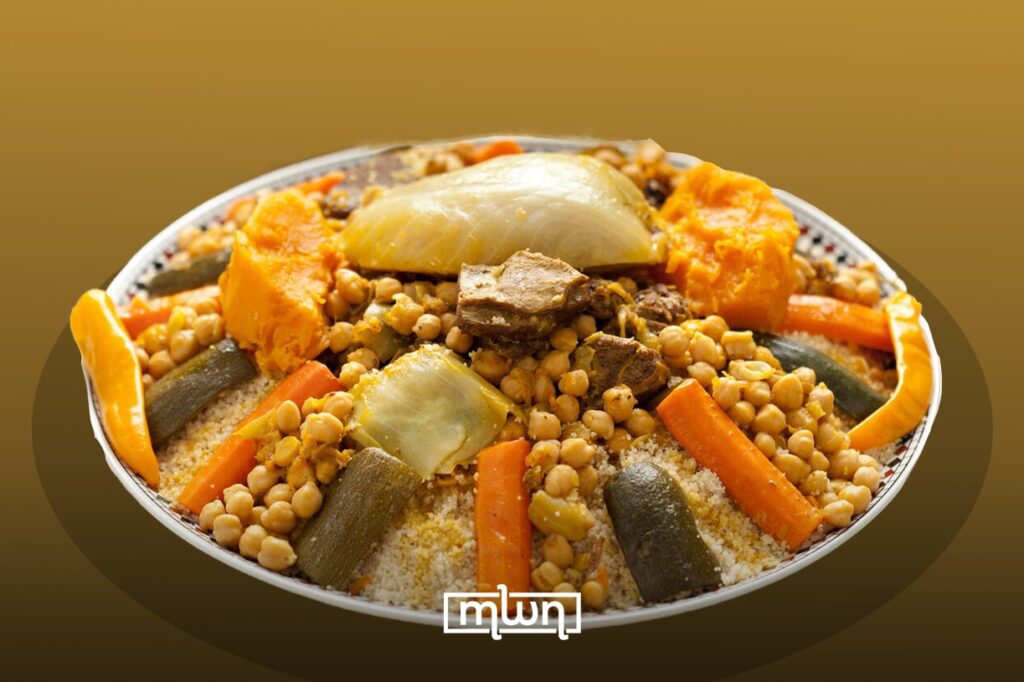
It’s Friday, so it’s only fair to talk about the star dish of this day in Morocco. Fez – Couscous, a cornerstone of Moroccan cuisine, is a cultural emblem deeply woven into the country’s traditions. This versatile and nourishing meal brings families together every Friday and serves as a symbol of hospitality and unity. While the preparation methods and accompaniments may vary, the essence of Moroccan couscous lies in its ability to blend flavors, textures, and heritage. Couscous with 7 vegetables and chicken Couscous with seven vegetables is a colorful and hearty dish often paired with tender chicken. Carrots, zucchini, pumpkin, cabbage, turnips, chickpeas, and tomatoes simmer in a fragrant broth, infusing the couscous with their rich flavors. This variety is a staple at Friday family lunches and special occasions. Couscous with ‘dyala’ Couscous with “dyala” (the lamb’s tail) is a lesser-known but cherished variation. It offers a tangy and refreshing twist to the dish, often enjoyed on Eid days in rural areas. This version highlights the simplicity of Moroccan culinary ingenuity. Couscous with ‘tfaya’ and lamb This luxurious dish combines sweet and savory flavors. The “tfaya” — a caramelized mix of onions, raisins, cinnamon, and honey — rests atop tender lamb and fluffy couscous, creating a perfect balance of richness and sweetness. It’s a popular choice for festive gatherings and celebrations. Couscous with Eggs and Almonds A more decadent variation, couscous with eggs and almonds, is a true treat. Hard-boiled eggs and roasted almonds provide texture and a nutty depth, elevating this dish into a symbol of opulence often served at weddings and special events. Couscous with “lhem rass” (Head of lamb) A more traditional and bold offering, couscous with “l’hem rass” is a dish for adventurous palates. The lamb’s head slow-cooked to perfection, is a delicacy that carries cultural significance and is often prepared for religious festivities like Eid. Vegetarian Couscous Vegetarian couscous is a wholesome alternative for those who prefer a plant-based option. Seasonal vegetables, chickpeas, and aromatic spices make it a light yet flavorful choice that continues to honor Moroccan culinary traditions. Bseha! Couscous is more than a meal in Morocco — it’s an expression of heritage, community, and identity. Its many varieties reflect the country’s rich culinary diversity, each dish telling a unique story while uniting people around the table. Whether sweet, savory, or simple, couscous remains a timeless celebration of Moroccan culture. It’s Friday, so what are you waiting for? Bseha! (To your health!) It’s time to dig in. Read more: Darija Words That Mean Everything