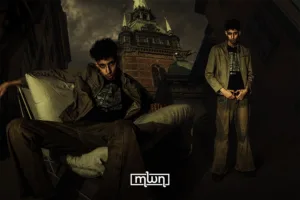
Fez — Before Ahmed Ismail Krim thought seriously about making films, there were CDs.
His father would bring home Moroccan and Chinese movies to the family in Sale. For a young Krim, they opened a world beyond the television films and sitcoms he already knew.
Cinema suddenly seemed capable of doing something different. It could construct entire worlds while making ordinary situations feel closer to real life.
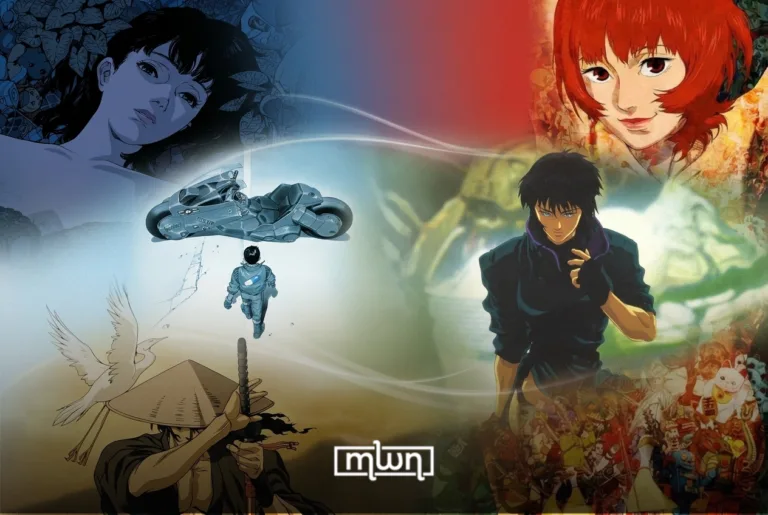
Then his brother introduced him to Japanese anime.
At first, Krim simply watched. Years later, he realized that those stories had quietly taught him some of his earliest lessons about characters.
What makes somebody compelling, he came to understand, is not simply what happens to them. It is what they want, what frightens them, and how experience changes them.


None of this came with an early declaration that he would become a filmmaker. The path was considerably less direct.
Krim studied full-stack web development and developed a professional life around technology. Yet the attraction to images, characters, and visual storytelling never disappeared. By 2024, he decided to stop treating that attraction as something secondary.
“I realized that if I kept waiting for the ‘right time’ to start filmmaking, I might spend years thinking about it without ever actually doing it,” Krim told MWN Lifestyle magazine.
He changed direction, moved to Lithuania, and began studying Video & Media Production at SMK University of Applied Sciences in Vilnius.
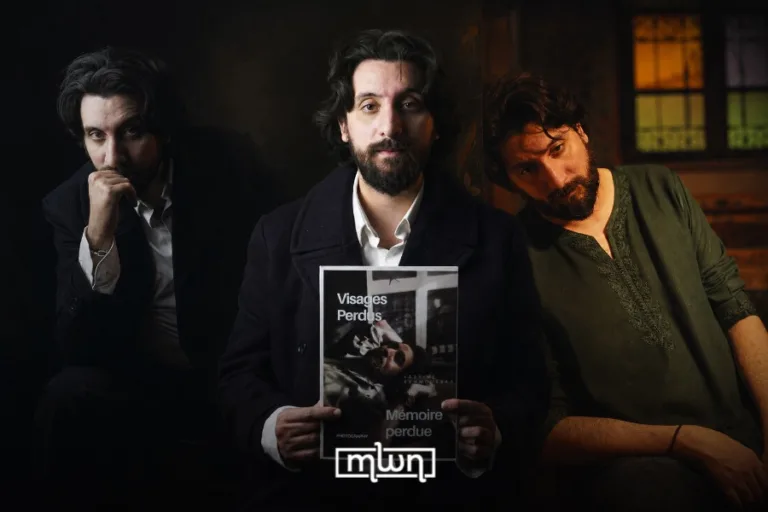
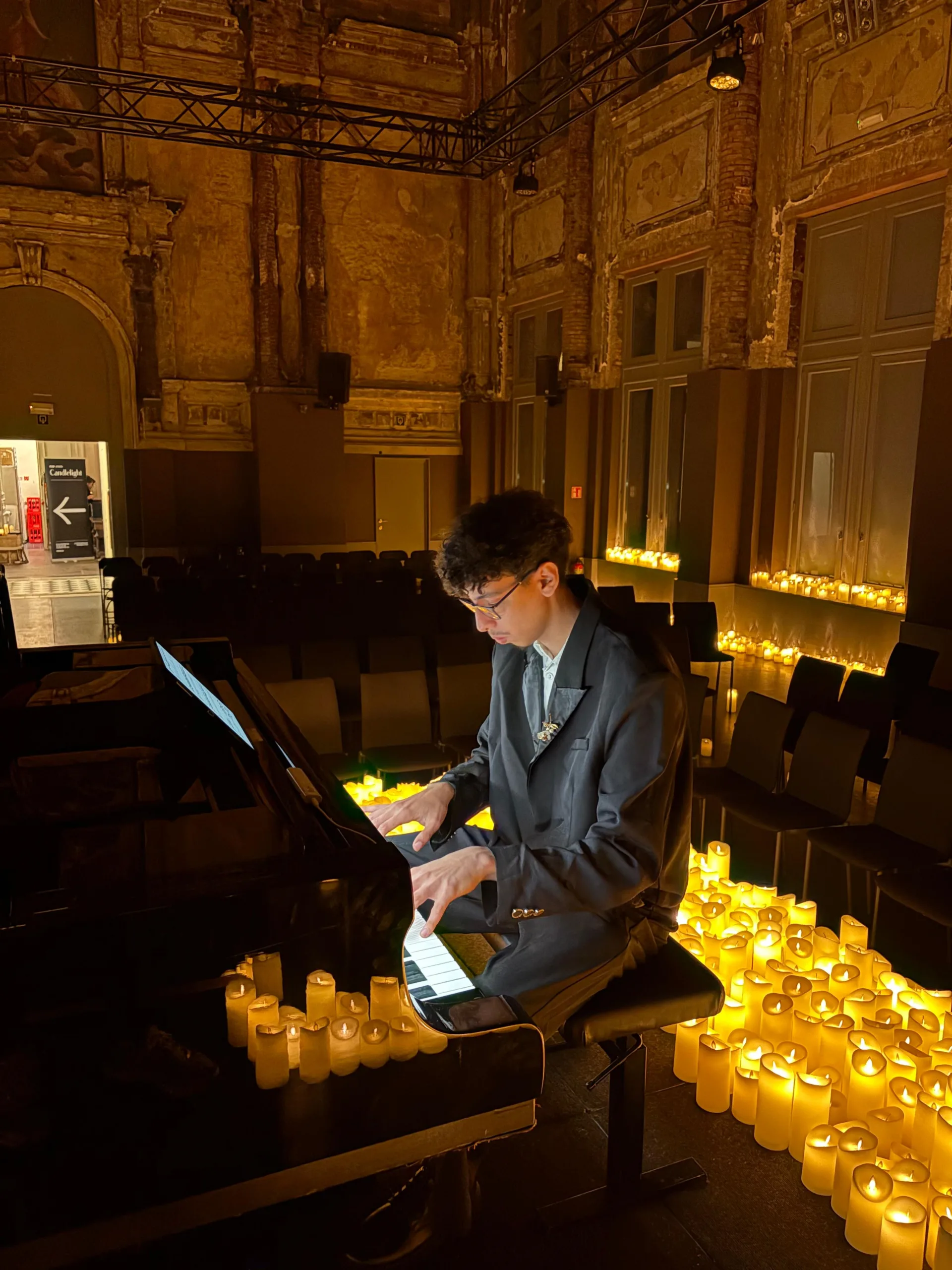
Today, his work spans filmmaking, photography, editing, and visual production. His photography also appears on PhotoVogue, which lists him as a photographer based in Vilnius.
But Krim still describes himself less as an artist who has arrived than one who is figuring out what arrival might mean. After all, it is all about the journey, not the destination…
Starting over on purpose
Walking away from technology meant surrendering the comfort of already knowing how to operate inside a profession.
Krim had spent years learning programming and building digital projects. Filmmaking required him to accept beginner status again.
At the same time, moving from Morocco to Lithuania meant learning much more than cameras, scripts, and editing.
“I wasn’t only learning filmmaking,” he said. “I was also learning how to build a life and a creative identity somewhere completely different from where I grew up.”
Krim is careful not to frame that departure as a rejection of Morocco.
“I don’t think I left Morocco because I wanted to escape it,” he said. “I left because I wanted to give myself the opportunity to discover what I could become somewhere new.”
Even the technical career he left behind has remained useful. Programming taught him patience and structure. It taught him to break complicated problems into smaller ones and build something gradually.
Filmmaking, he discovered, often demands the same discipline. A film might begin with an emotion or an idea, but bringing it to the screen means solving one problem after another.
For Krim, the apparent rupture between developer and filmmaker now looks more like continuity.
He does not see one life as having been discarded for another. The first equipped him for the second.
Morocco seen from a distance
Lithuania also changed the way Krim looked back at Morocco.
Living inside a culture often makes its smallest habits invisible. Distance can make them visible again.
“When you move somewhere else, suddenly even ordinary things can become something you observe,” he said.
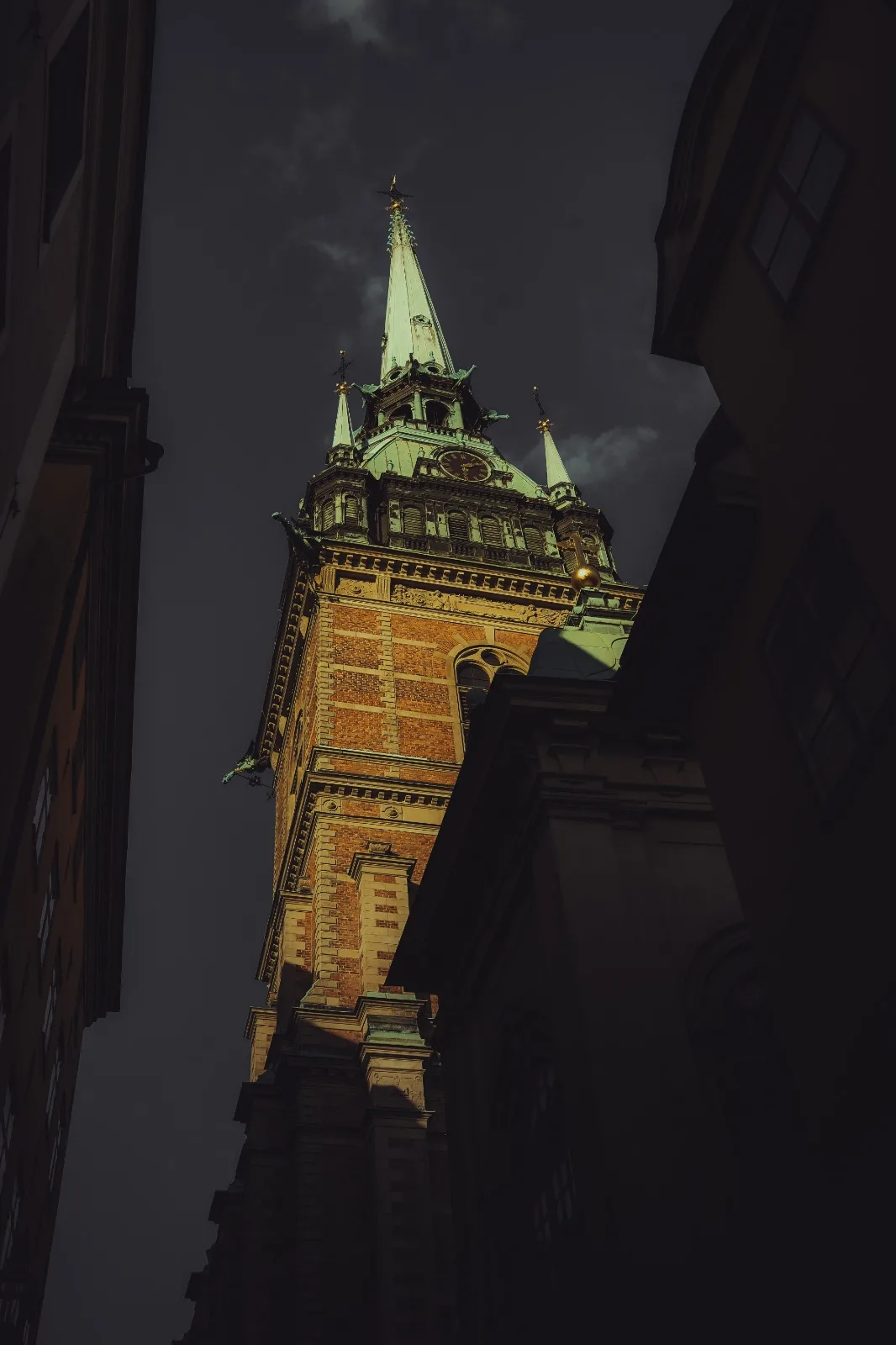
That process continued when Krim spent an Erasmus semester at Karel de Grote University of Applied Sciences and Arts in Antwerp, Belgium, an experience also reflected in his public professional profile.
Moving between Morocco, Lithuania, and Belgium sharpened his attention to everyday differences, like how people communicate, inhabit public spaces, collaborate, express emotion…
His takeaway was deceptively simple: “observe before judging,” a habit has become useful to his filmmaking.
For Krim, being Moroccan remains inseparable from his perspective. Growing up in Morocco shaped his understanding of family, community, relationships, and social behavior.
But he does not want nationality to become a creative obligation. Holding on too much to national identity is not a very healthy attitude towards artistry.
“I don’t want to feel obligated to make every film about being Moroccan or about immigration,” he said.
Instead, he sees identity as something working beneath the surface.
“For me, being Moroccan is part of the perspective I bring to a story, rather than necessarily being the story itself.”
It is a distinction that allows him to carry Morocco without having to announce it in every frame.
Finding a cinematic language
Krim is equally reluctant to declare that he has already found a fixed artistic style.
His projects can begin with a character, an image, a feeling, or an abstract idea. The form follows what the story demands.
Increasingly, however, he is asking questions beyond plot.
How should a story feel? How should it move? What should the audience hear? What can composition communicate before a character speaks?
Krim cites Wes Anderson as a recent point of fascination, particularly the contradiction between meticulously constructed images and the melancholy often sitting beneath them.
The appeal is not simply Anderson’s symmetry or color. Krim is interested in how a deliberately artificial visual world can still contain emotional vulnerability.

That tension has pushed him to think more seriously about the relationship between visual form and emotional meaning.
“The visual style shouldn’t just be decoration,” he said. “The way you construct a world can change how the audience understands the characters and what they are experiencing.”
That question is particularly important to his developing short film “SUBJECT 52.”
The psychological thriller follows a talented young football player offered an unusually lucrative job that appears to require almost nothing from him.
The proposition sounds ideal. Gradually, however, comfort begins consuming the ambition and talent that once defined him.
Krim is currently preparing the project in Vilnius. A recent announcement said “SUBJECT 52” had entered pre-production, with filming planned for later in 2026.
For Krim, the central filmmaking challenge is not simply explaining that deterioration. It is making viewers feel it.
“How do I show someone slowly losing something without simply explaining it to them?” he asked.
That is where performance, sound, atmosphere, editing, and cinematography become part of the story rather than ornaments around it.
The contradiction beneath the surface
“SUBJECT 52” also points toward a recurring interest in Krim’s developing work: people who get what they believe they want and discover something unsettling underneath it.
He is drawn to characters whose visible behavior hides another motivation. Ambition fascinates him, as do the moments when certainty begins to collapse.
“I like stories where there is something underneath what we initially see,” Krim said.
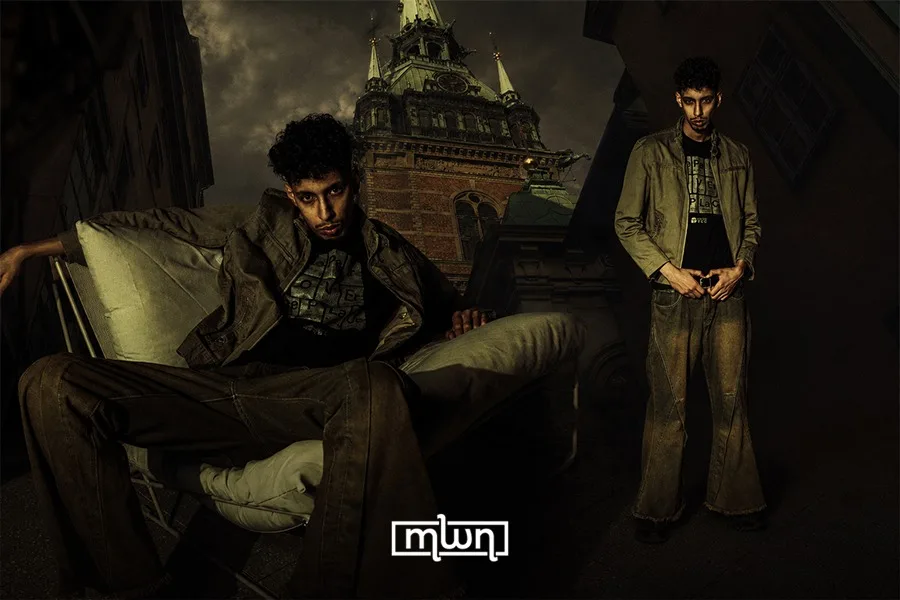
His photography operates with a similar sensitivity to atmosphere. His portfolio describes work across documentary, fashion, fine art, landscape, and black-and-white photography.

In 2025, Krim won ReGo – Meaningful Journeys, a photography competition organized through SMK around World Tourism Day. His own portfolio lists the award alongside his PhotoVogue selection.
Still, he resists turning those milestones into evidence of a finished artistic identity.
“I don’t want to pretend that, as an emerging filmmaker, I already have a completely finished artistic philosophy,” he said. “I think that would be dishonest.”
What he knows is what continues attracting him: people, choices, ambition, emotional contradictions, and worlds that contain more than they reveal immediately.
Atmosphere matters because it can carry that hidden layer. Krim does not want an image merely to explain an event. He wants light, movement, location, composition, editing, and sound to surround a story with feeling.
Sometimes, he believes, the most successful film is not one that answers every question. It is one that follows viewers home.
Still becoming
Krim once thought about his life in Europe as existing between two worlds. He now finds that description too restrictive.
Morocco remains foundational. Lithuania has become part of his adulthood and creative formation. Belgium added another perspective.He does not believe one must cancel another.
Moving abroad has inevitably changed him, including the way he sees the place he left. That in-between perspective can sometimes produce uncertainty, but he increasingly sees creative value in it.
Nor does he want “Moroccan filmmaker in Europe” to become a category that dictates what he is allowed to make.
His artistic identity remains unfinished by choice.

The child in Salé who watched films brought home by his father did not know he was studying cinema. The boy watching anime with his brother did not know he was learning character development. The web developer did not know that problem-solving would later serve him on film sets.
Those stages only became connected in retrospect.
Now, with photography behind him, filmmaking ahead of him, and “SUBJECT 52” moving toward production, Krim seems comfortable allowing the next connection to reveal itself later.
“Maybe the most important part of my artistic identity right now is that I’m still becoming,” he said.