French Montana Stars in Upcoming Movie in Egypt
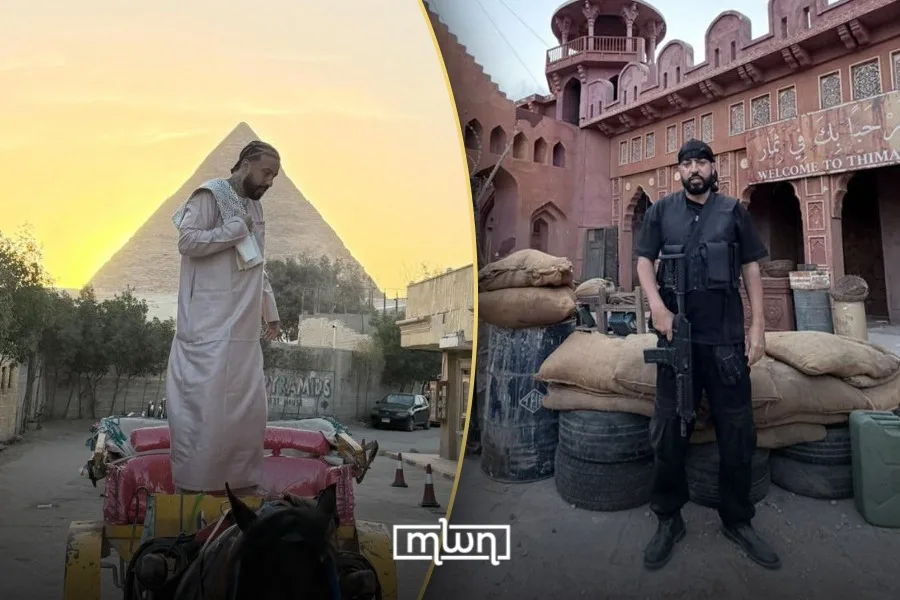
The artist shared a series of photos and videos from the set, offering a glimpse into the production atmosphere.
Burna Boy Set for Egypt Debut with El Gouna Show
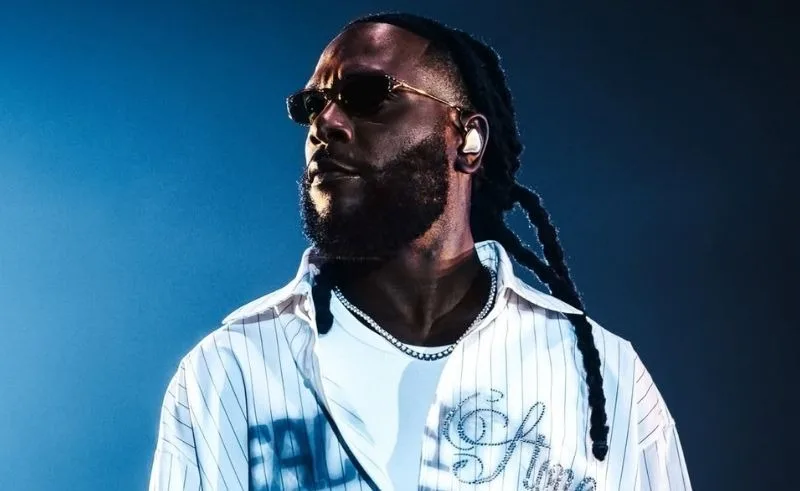
The Grammy-winning Nigerian star will perform at the Gouna Conference and Culture Center on March 22.
Shakira Sends Arabic Message to Fans Ahead of Egypt Concert

If you think this is AI generated, think again!
Egypt-Morocco Cultural Forum Opens in Alexandria to Strengthen Diplomacy
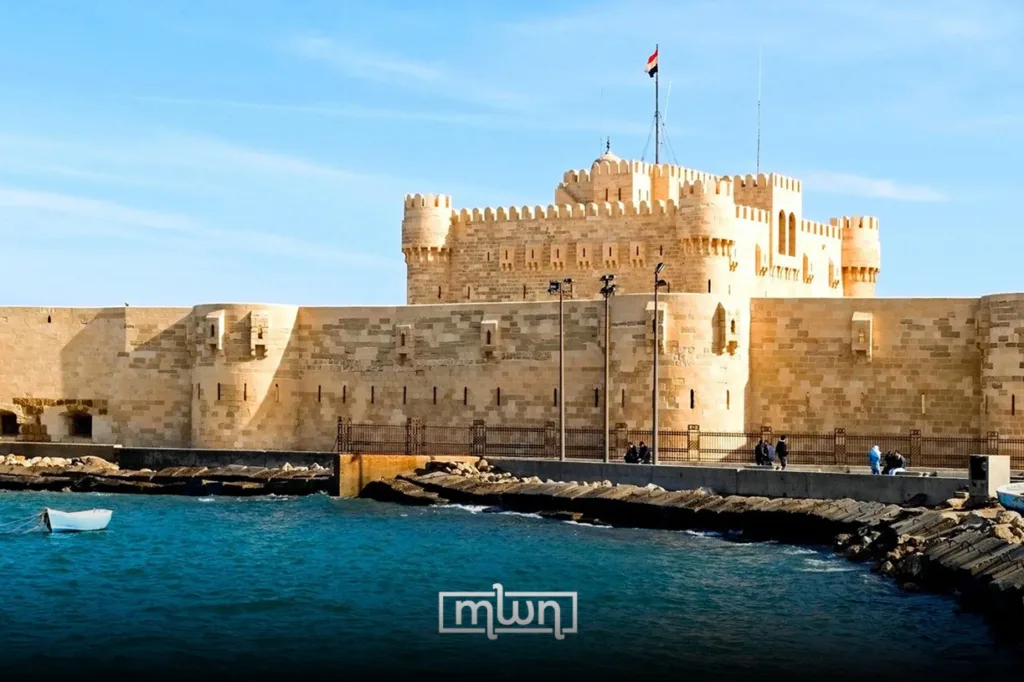
The event serves as a platform to reflect on Morocco-Egypt cultural ties as a shared historical and civilizational heritage.
Egypt Opens Monumental Grand Egyptian Museum Near Great Pyramid of Giza
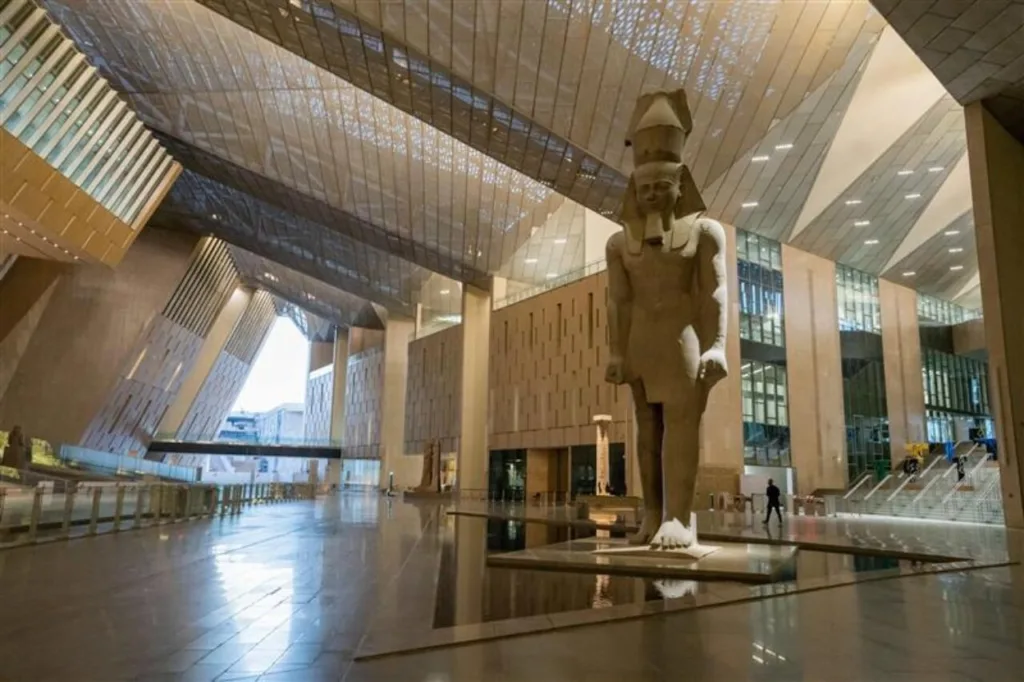
As the doors open wide to Egypt’s ancient legacy, the Egyptian museum is a powerful invitation for the world to reconnect with the cradle of civilization.
International Rabat Film Festival Honors Egypt’s Laila Eloui at 30th Edition
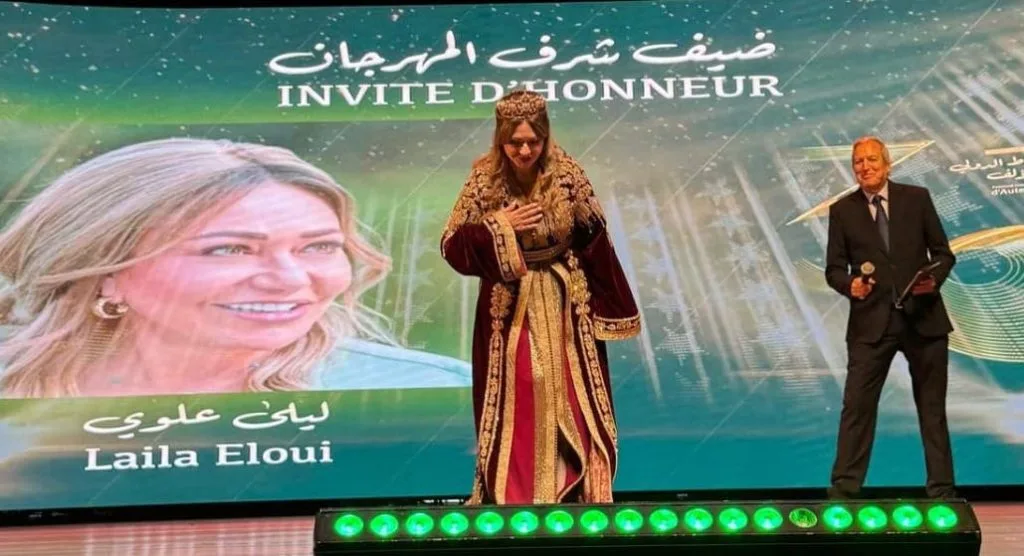
Egyptian screen icon Laila Eloui is being celebrated at the Rabat International Author Film Festival this week. The tribute anchors the festival’s 30th edition, which runs November 8 to 14 in Morocco’s capital.
Cairo Opens Grand Egyptian Museum with Hologram Spectacle and Worldwide Audience
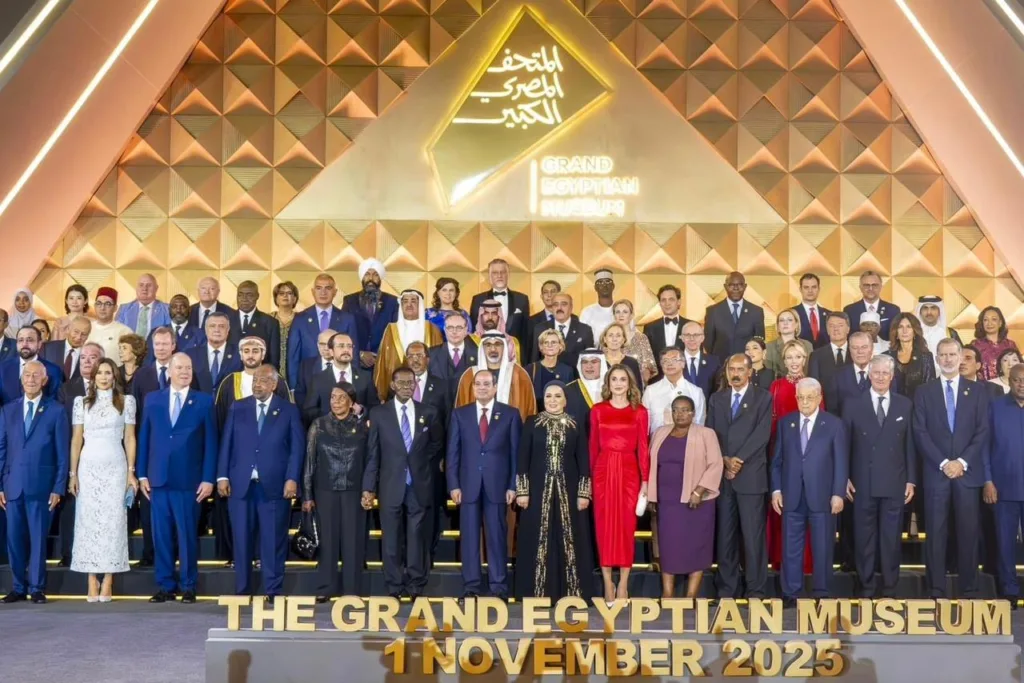
Egypt marked the opening of the Grand Egyptian Museum in Cairo with a high-profile ceremony that drew officials and cultural figures from around the world.
Sherine Abdel Wahab Prepares New Album for Winter Season

The album comes as Sherine works to move past personal challenges, from her divorce from Hossam Habib to legal disputes and retirement rumors.
Egypt Retains Title as North Africa’s Wealth Capital This Year
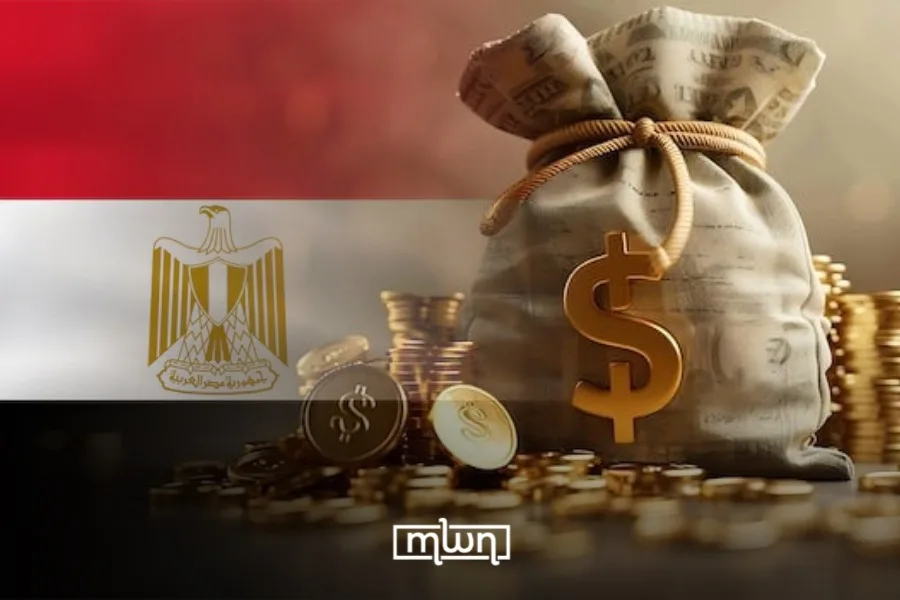
Currency swings haven’t toppled Egypt from its throne as North Africa’s richest nation. Fez – Egypt is holding tight to its crown as North Africa’s wealth capital, with 14,800 millionaires as of mid-2025, even as currency challenges have slightly reshaped the country’s ultra-rich landscape. The latest figures come from Henley & Partners, the global wealth advisory firm that tracks private capital trends. Egypt tops North Africa, second in Africa overall Despite a turbulent economic backdrop and a weakening pound, Egypt remains the undisputed hub for high-net-worth individuals in the region and ranks second on the African continent, behind South Africa. The total number of millionaires, defined as individuals holding at least USD 1 million in investable assets, slipped from 15,600 in late 2023 to 14,800 by June 2025. Those with USD 100 million or more dropped from 52 to 49, while Egypt’s billionaire count held steady at seven. Compared to 2015, the decade has not been easy: significant currency devaluations reduced the overall pool of wealthy residents by around 15%. Yet Egypt’s position remains resilient, bolstered by its concentration of financial activity, real estate development, and private capital inflows. Morocco on the rise Morocco has secured second place in North Africa with a solid increase in its wealthy population. The country now counts 7,500 millionaires, 35 centi-millionaires (individuals with USD 100 million or more), and four billionaires. This marks a sharp rise from 6,800 millionaires and 32 centi-millionaires last year, a 40% growth over the past decade. Driven by diversified industries, expanding infrastructure, and robust tourism investment, Morocco’s wealth profile continues to climb steadily, cementing its role as a rising regional powerhouse. Algeria facing decline Algeria ranks third in North Africa, with its wealthy population sliding from 2,800 millionaires in 2023 to 2,700 in 2024. The number of centi-millionaires also fell slightly, from eight to seven, while the country maintains a single billionaire. Compared to 2015, Algeria has experienced a 23% contraction in its millionaire population, following the challenges of an economy less diversified than its neighbors. What is a ‘centi-millionaire’? In wealth-tracking terms, a centi-millionaire is an individual holding at least USD 100 million in investable liquid assets, the category just below billionaire status. This small, elite group often plays an outsized role in regional investment flows, family offices, and major private equity ventures. Africa’s wealth map is shifting While Egypt continues to lead North Africa, the continent’s wealth distribution is changing. South Africa remains Africa’s overall wealth leader, but Morocco’s sharp upward trend signals a more competitive regional landscape. Meanwhile, currency volatility continues to be the single largest factor shaping millionaire statistics in countries like Egypt and Algeria. The report also indicates that capital migration, investment trends, and real estate development patterns, from Cairo and Casablanca to luxury markets in Marrakesh and Tangier, are redefining where wealth is built and retained. Experts suggest that Egypt’s ultra-wealthy will continue to concentrate in Cairo, which alone holds nearly half the nation’s private wealth. Morocco’s steady climb reflects strategic economic reforms and international investment ties, while Algeria’s numbers highlight the impact of limited diversification in resource-heavy economies. Henley & Partners notes that the coming decade could see greater competition among African wealth hubs as high-net-worth individuals seek stable currencies, investment security, and globally connected markets.
Angham Shuts Down Health Rumors With an Exclusive Concert at the Grand Egyptian Museum

Following health rumors, Angham makes a powerful return to the stage.