Seventh Edition of ‘Orange Blossom Festival’ is Bringing Heritage to Taza

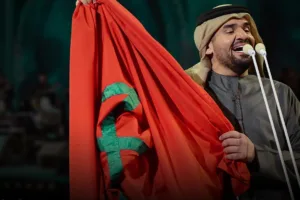
Blending culture, music, and reflection, the festival continues to position Taza as a space where heritage is actively lived and shared.
Morocco Fashion Week Puts Taza’s Heritage in the Spotlight
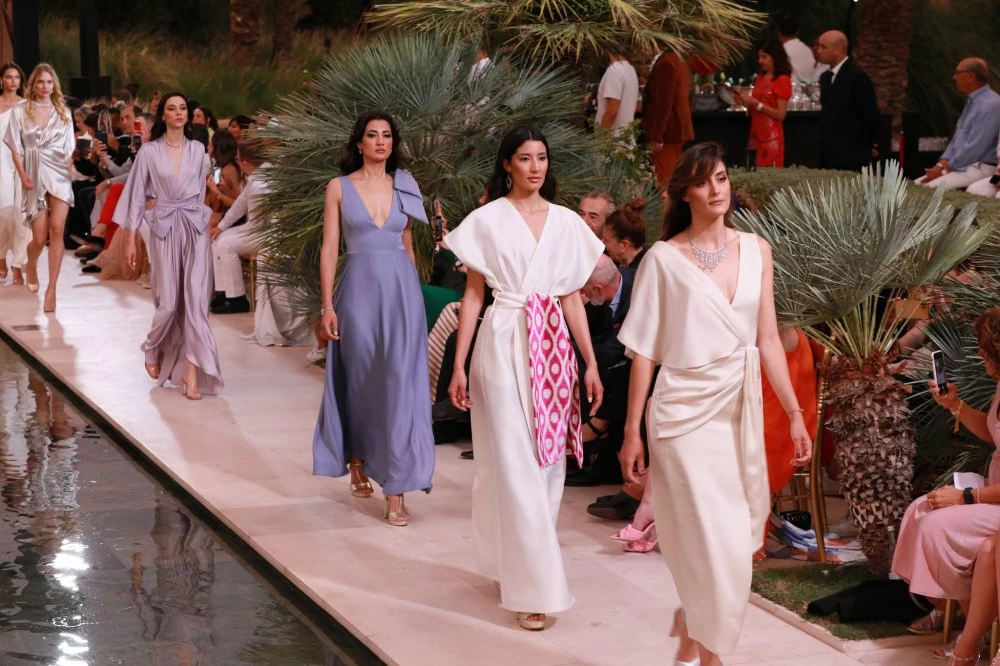
In Taza, fashion stepped into the spotlight with a local twist.
Morocco’s Traditional L’Hayti Music to Emerge from the Past at Taza Festival
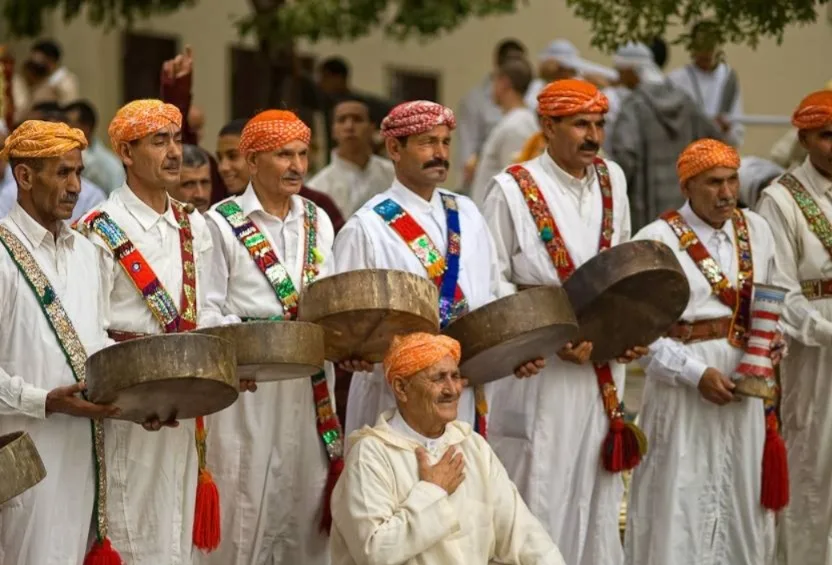
By reviving this ancestral heritage, festival organizers aim to stimulate cultural tourism, elevate Taza’s national profile, and establish an annual platform for musical creativity.
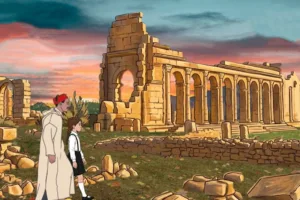
Taza Hosts Cultural Week Reclaiming Its Place on Cultural Map

Taza just reclaimed its cultural voice with the launch of its first-ever Cultural Week. Fez – From May 24 to 30,, the city of Taza witnessed the launch of an unprecedented event: the first edition of Taza Cultural Week, organized by the Forum Friouato for Cinema, Culture and Creation, in partnership with the Bahitoune Foundation and with the support of the Ministry of Culture’s provincial delegation. This week-long celebration aimed to reposition Taza as a vibrant center of artistic and intellectual life in Morocco. According to Dr. Boujema El Aoufi, university professor, poet, art critic, and president of the organizing association, the timing was no accident. “We felt it was the right moment to make culture heard in Taza,” he said to Morocco World News. “This city is rich in history and talent, yet it has remained on the sidelines of Morocco’s major cultural dynamics for too long.” The ambition of the inaugural edition was clear: not to create a fleeting event, but to lay the groundwork for a long-term cultural movement. The program included cinema screenings, visual art exhibitions, musical performances, and literary discussions, all with a strong focus on inclusion and participation. Local artists and intellectuals were given space to express themselves, while guests from other Moroccan regions brought outside perspectives to enrich the exchange. “This week was a call to meet, create, and reflect,” El Aoufi said. “We wanted to break the symbolic silence surrounding Taza and present it as a living cultural hub, not a forgotten city.” One of the event’s primary goals was to stimulate the local cultural scene and create a ripple effect across the city. El Aoufi and his team hope that the week will encourage the emergence of new projects, inspire young people, and persuade institutional and economic actors to view culture as a necessary pillar of development, not a luxury. ‘Strong, silent, longing for a cultural space like this’ The event also served as a response to a longstanding problem: Taza’s marginalization in the national cultural narrative. “Through this manifestation, we wanted to say that Taza has something to contribute, something to share,” El Aoufi explained. The initiative spotlighted not only the city’s tangible heritage but also its intangible cultural wealth, including ancestral knowledge, intellectual legacies, and untold stories. Thematic coherence played a key role in the success of the week. Every lecture, book presentation, and guest selection was curated around two ideas: memory and engaged creativity. The aim was to create dialogue between disciplines and generations: writers, researchers, and citizens engaged in discussions about identity, history, and social transformation. The path, however, was not without challenges. Convincing partners to support a first edition proved difficult. Coordinating diverse venues, participants, and audiences required intense logistics. “It took persuasion, patience, and collective passion,” El Aoufi admitted. But the turnout, energy, and feedback from the community made the effort worthwhile. The most valuable takeaway? “A collective momentum,” said El Aoufi. “People responded with enthusiasm. There was a strong, sometimes silent, longing for a cultural space like this.” Looking ahead, the organizers aim to strengthen partnerships, establish a permanent cultural coordination committee, expand programming throughout the year, especially in schools and rural areas, and increase media outreach to secure a lasting impact. In Dr. El Aoufi’s words: “This first edition was a founding stone. The next step is to build a solid, inclusive, and future-oriented cultural architecture around it.” Read also: Moroccan Artist Younes Megri Returns to Cinema with ‘Shadows of Caravaggio’
Taza: The Forgotten Jewel of Morocco

Hidden between mountain ranges, Taza is the gateway to Morocco’s untold history. Fez– Hidden in the folds of Morocco’s dramatic landscapes lies Taza, a city often overlooked but historically indispensable. Dubbed “the gateway to Morocco” by historians and likened to a precious diamond by renowned Moroccan historian Abdlhadi Tazi, this ancient stronghold has been a linchpin in shaping the country’s past. Yet, despite its significance, Taza has slipped into the shadows of history, waiting for its rightful recognition. Taza’s strategic position is nothing short of extraordinary. Nestled between the Middle Atlas and the Rif Mountains, it serves as a natural bridge connecting the east to the west of Morocco. This prime location has made it a crucial military and trade passage for centuries. Evidence of human settlement in the region dates back to the Stone Age, reinforcing its status as one of the oldest continuously inhabited cities in the world. However, with time, the city fell into relative obscurity, earning the melancholic label of a “forgotten” gem. Today, Taza consists of two distinct parts: the Upper Town (Taza Olia) and the Lower Town (Taza Soufla), connected by a steep, stepped incline crowned with the historic Bab Er-Rih gate. Its topography and location have made it a coveted stronghold for empires and dynasties, ensuring its walls have witnessed the ebb and flow of power across the ages. A military and political nexus Taza was more than just a passageway, it was a prize. The city’s control meant dominance over the movement of armies and caravans, giving its rulers strategic leverage. Historical accounts confirm Taza’s-long standing military significance, with dynasties such as the Almohads, the Marinids, and later the Alaouites fortifying it against invaders. Even as late as the early 20th century, Taza remained a fortress of resistance. It was among the last Moroccan cities to fall under French occupation in 1914, a testament to its unyielding spirit and formidable defenses. Beyond its military prowess, Taza is a cultural and architectural treasure trove. The city’s historic core is a living museum, filled with ancient walls, mosques, and medersas (Islamic schools). The Marinids, in particular, lavished attention on Taza, treating it almost as an extension of their capital, Fez. They built schools, baths, and fortifications, solidifying the city’s intellectual and strategic importance. One of Taza’s most mesmerizing landmarks is its Great Mosque, home to the biggest chandelier weighing a staggering 32 quintals of copper. Commissioned by the Marinid Sultan Abu Yaqub Yusuf, this chandelier is more than just an ornate fixture, it’s a poetic masterpiece. Engraved on its surface are verses that celebrate its unparalleled beauty, echoing the city’s pride: “O you who gaze upon my splendor, take in the sight, Delight in my beauty that outshines the light, I am the chandelier that Taza boasts, No equal to me will time compose.” Taza’s story is one of resilience, grandeur, and, perhaps, a touch of neglect. Its legacy is carved in stone and whispered through its ancient streets. From its prehistoric caves, which hold remnants of early human life, to its medieval fortresses that have withstood centuries of turmoil, the city remains a silent testament to Morocco’s layered history. But silence should not mean invisibility. As historian Abdelhadi Tazi once urged, it is up to today’s generation to reclaim Taza’s story and share it with the world. And here stands a child of Taza, bound by love and legacy, honoring its legendary history with unshaken pride and a heart heavy with longing. The city may have faded from the limelight, but its brilliance, like the diamond it is, remains undiminished, waiting for a new era of discovery and appreciation. Read also: The Tradition of ‘Tefkida’ in Morocco
Let’s Take a Visit to the Great Mosque of Taza

Hidden within the heart of northern Morocco lies a centuries-old sanctuary, where art, history, and devotion converge in remarkable harmony. Fez- The Great Mosque, known locally as Al-Jami’ Al-Adam, is one of Taza’s most significant historical and religious landmarks. This sacred place of worship has detailing that shows the creativity of Moroccan artisans and the beauty of traditional architecture while reflecting the city’s rich cultural diversity. Construction of the mosque began during the Almohad period in the early 6th century AH (12th century CE), however, it was only completed under the Marinids, who added six aisles and a beautifully designed dome above the mihrab. This dome is renowned for its intricate decorations. In 694 AH (1294 CE), Sultan Abu Yaqub Yusuf of the Marinid dynasty ordered the installation of a unique chandelier that remains a highlight of the mosque’s architecture. The light fixture is made from copper, weighs over 3 tons, and holds 514 small cups for oil lamps. While it has been replaced with modern lighting, its historical significance remains unmatched. Standing 4.5 meters tall and 2.5 meters wide, the chandelier is adorned with intricate engravings and verses from the Quran, including parts of Surah Al-Nur and Surah Al-Baqarah. These verses emphasize light and guidance, symbolizing the spiritual role of the mosque. Another remarkable feature is a smaller chandelier resembling the one at the Al-Qarawiyyin Mosque in Fez. Its design includes hexagonal shapes and reflects the craftsmanship of the era. The mosque also houses one of the oldest libraries in Morocco, originally established to preserve important works like Al-Shifa by Qadi Iyad. Expanded during the Marinid period, the library included valuable manuscripts such as Ibn Battuta’s Rihla. In 1973, a catalog of its contents was compiled, with many documents now archived in Rabat’s public library. The collection includes rare manuscripts and original Almohad writings, such as those by Al-Mahdi Ibn Tumart, documented in the book A’azz Ma Yutlab. The mosque’s cultural importance extends beyond its architecture and manuscripts. It regularly hosts religious ceremonies featuring Quran recitations and traditional praises of the Prophet, creating a deeply spiritual atmosphere. These gatherings attract individuals and groups from across Taza, reinforcing the mosque’s role as a community hub. Next to the mosque lies the Yousifiya Madrasa, built by Sultan Abu Yaqub Yusuf and later renovated by Sultan Moulay Rashid. Though known by various names, it remains an integral part of Taza’s heritage. The mosque also boasts one of Morocco’s oldest pulpits, crafted from ebony and inlaid with ivory and mother-of-pearl during the Almohad era. This pulpit, restored under the Marinids, has hosted countless scholars and preachers, adding to the legacy of this remarkable site. Read also: The Intricate Bonds Between Moroccan and Spanish Cultures