
Where to Get a Luxury Wellness Experience Without the White Lotus Price Tag
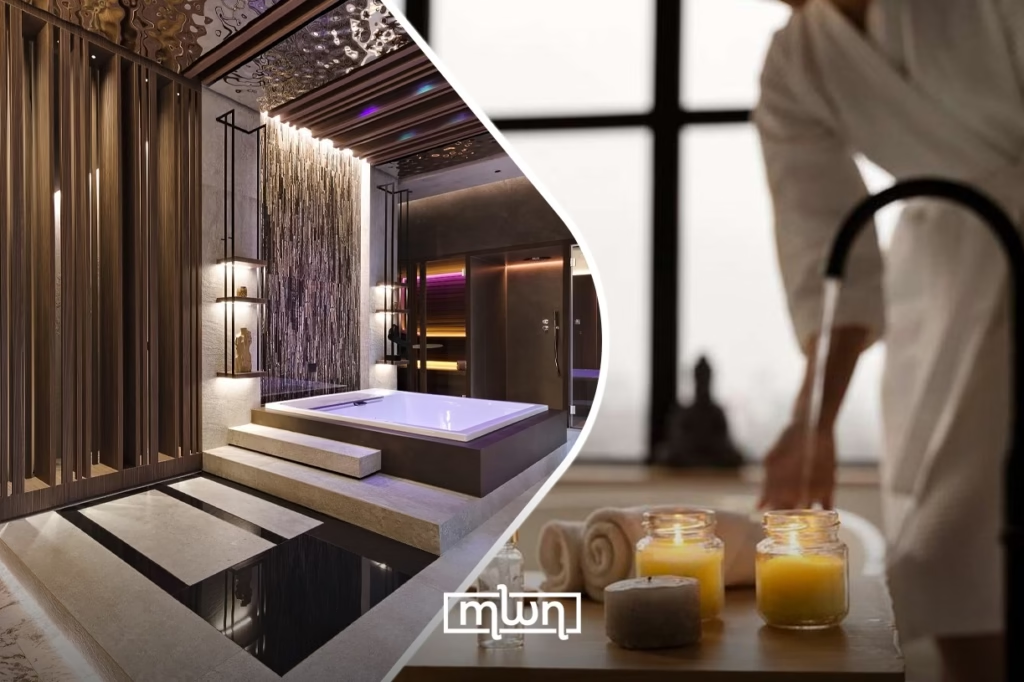
White Lotus made luxury wellness look tempting. Here’s where to get the experience without the elite price tag. Fez – If HBO’s White Lotus has you dreaming of a wellness escape but not the €1,650-per-night price tag of the Four Seasons Resort, you’re not alone. As season three fuels demand for ultra-luxe retreats, a new report from BookRetreats.com reveals where you can indulge in a rejuvenating getaway without draining your bank account. And in 2025, Morocco’s Agadir-Ida-Ou Tanane is leading the charge as one of the world’s top five best-value wellness destinations. Morocco’s Agadir-Ida-Ou Tanane Released in March, the 2025 Wellness Cost Index analyzed 42 global destinations based on five key expenses: multi-day retreats, healthy food items, massage treatments, drop-in yoga classes, and local taxi fares. While Asian hotspots continue to dominate the affordability rankings, Morocco’s Agadir-Ida-Ou Tanane claimed the fifth spot, outshining well-known budget wellness hubs like Phuket and Hoi An. So what makes this Moroccan gem so appealing? Think year-round sunshine, unspoiled beaches, and wellness offerings that blend tradition with affordability. Dubbed the “new Canary Islands,” the region boasts retreats starting at just €334, saving travelers an average of €212 compared to similar experiences in its European counterpart. Massage treatments here are particularly wallet-friendly, with prices at less than half of those in Athens or Lisbon. Even better, a basket of nutritious food costs less than in Bali, making it easier than ever to nourish both body and mind on a budget. UN Tourism data confirms what savvy travelers already know: Morocco is now Africa’s most-visited country. And with new budget-friendly flight routes from the UK, more Brits are expected to flock to Agadir-Ida-Ou Tanane for an authentic, affordable wellness break. From beachfront hammams in Taghazout to sunrise yoga overlooking the Atlantic, the region seamlessly merges traditional self-care with modern wellness trends. Whether you’re catching waves or indulging in a classic Moroccan argan oil massage, this destination proves that relaxation and adventure can go hand in hand, without the premium price tag. Other budget wellness hotspots If you’re looking beyond Morocco, BookRetreats.com’s rankings highlight other destinations where wellness meets affordability. Granada, Spain ranked as Europe’s most budget-friendly wellness city. This historic fortress town offers Arab baths, yoga with Alhambra views, and an immersive cultural experience at a fraction of Western spa prices. Cape Town, South Africa, Eighth on the list, delivers vineyard-fresh cuisine, high temperatures, and budget-friendly retreat experiences. India’s Rishikesh and Goa dominated the affordability rankings, with Rishikesh offering a full wellness experience for just €131, less than a single massage in Switzerland’s ultra-luxe Valais region. Luxury wellness doesn’t have to mean luxury prices. As BookRetreats.com Co-founder Sean Kelly puts it, “Some of the most affordable journeys can be found in Asia and Africa, where wellness traditions are a way of life.” So if White Lotus has sparked your wanderlust but not your willingness to splurge, Morocco and its fellow budget-friendly wellness destinations are waiting. And with costs up to 72% lower than premium Western retreats, your body and your wallet will thank you. Read also: Hercules Cave in Tangier: Where Myth Meets the Atlantic
Rise of Sleep Tourism: People Are Traveling Just for a Good Night’s Sleep

In a world that never rests, sleep tourism is the new way to truly recharge. Fez – In an age where the pursuit of perfect sleep is becoming a serious lifestyle goal, a new travel trend has emerged: sleep tourism. Yes, you read that right. People are now booking vacations with the sole intention of catching some of the best, uninterrupted sleep they’ve had in years. And this strange trend is not about the exotic beaches or bustling cities anymore; it’s about the pillow, the mattress, and the entire sleep experience. Welcome to the world of sleep tourism. We live in a world that never sleeps, or at least, we don’t. From social media notifications to relentless work deadlines, sleep has become a luxury many of us can’t afford. Sleep deprivation is consequently becoming more prevalent, with studies showing that quality sleep is as important to our health as diet and exercise. This is where sleep tourism comes in. Imagine flying to a destination not to sightsee or explore, but to experience the bliss of uninterrupted rest in a specially designed, sleep-friendly environment. The concept of sleep tourism is more than just booking a hotel room; it’s about immersing yourself in a carefully crafted environment where sleep is the star attraction. Think luxury hotels with rooms designed to optimize sleep conditions, resorts that offer sleep-inducing therapies, and sleep retreats that focus on getting you back to your optimal rest. Where can you find sleep-centric destinations? Sleep tourism isn’t just a gimmick; it’s a growing industry, and some of the world’s top hotels are jumping on the bandwagon. Take the Sleep Retreat at the Six Senses Zighy Bay in Oman, for example. This resort isn’t only about luxury and stunning landscapes; it focuses on sleep restoration. Guests are introduced to sleep therapists who curate personalized sleep plans, offering everything from aromatherapy to sound therapy. In this world, a good night’s sleep is not optional, it’s an experience. Then there’s the Sleep Concierge Service at the Peninsula Hotels, where staff tailor every element of your stay to ensure the perfect sleep conditions. With a pillow menu, blackout curtains, and room temperature control, this service is all about making sleep as blissful as possible. The concept of sleep tourism also extends to the innovative “nap hotels” popping up in major cities worldwide, where busy travelers can book a nap suite for a quick recharge during the day. No sightseeing required. Sleep and technology What really sets sleep tourism apart is the growing role of technology in enhancing the sleeping experience. Hotels and retreats are investing in cutting-edge sleep tech to ensure that guests are getting the most out of their rest. Imagine lying down on a smart mattress that adjusts to your body’s temperature and pressure points, or falling asleep to the sound of custom-curated white noise, engineered to mimic natural sounds that promote deep sleep. Moreover, some resorts offer digital detoxes, where guests are encouraged to leave their devices behind. The goal? To allow your brain to fully relax and reset, free from distractions. For those who can’t fully disconnect, there are sleep apps available that track sleep patterns and offer recommendations on improving rest. While the term “sleep tourism” might sound like a fun trend, its benefits go much deeper. In today’s high-stress world, a lack of quality sleep can exacerbate mental health issues, including anxiety, depression, and cognitive decline. Sleep tourism aims to address this by offering a holistic approach to rest and rejuvenation, helping travelers reset not just their sleep patterns, but their mental well-being too. A stay at a sleep-centric destination is like hitting the reset button on your body and mind. Through mindfulness, guided meditation, or therapeutic sleep practices, the primary goal is to help you reclaim the rest you’ve been missing out on. As the sleep crisis deepens, so too will the demand for sleep-centered vacations. With more destinations offering specialized sleep experiences, expect this trend to evolve into a multi-million-dollar industry that emphasizes rest, recovery, and rejuvenation. So, the next time you plan a getaway, consider booking a sleep tourism experience. After all, rest is the ultimate luxury in today’s fast-paced world.
Do Silent Wellness Retreats Really Work?
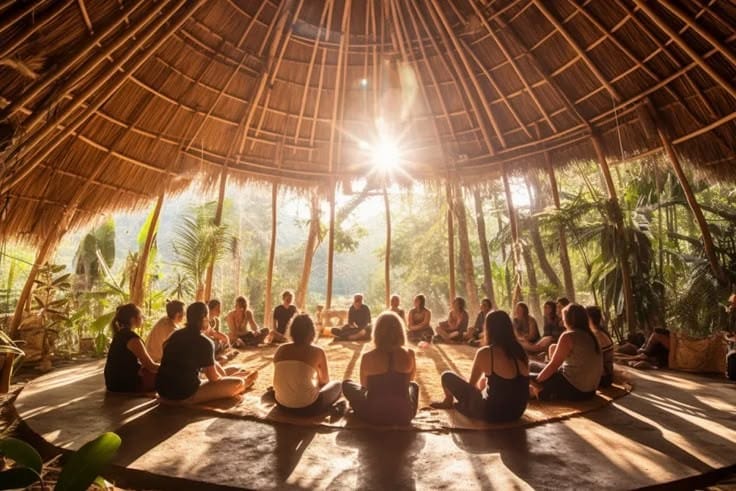
They call it a retreat, but sometimes it feels more like a conversation no one else can hear. Fez – In a world that never shuts up, silence feels strange. It feels heavy, awkward, and almost unnatural. But for thousands of people, silence is no longer something to avoid. It’s something they pay for. Silent wellness retreats are spreading everywhere, promising peace, healing, and a deep connection with yourself. But do they actually work? Or are they just another fancy trend sold to tired souls? The rules are simple, no talking, no phones, no writing, no eye contact. You spend days, sometimes a full week, surrounded by strangers, but completely alone in your thoughts. The goal is clear: silence strips away all the noise, leaving you face to face with yourself. For many, that’s exactly why they go. They don’t want massages, fancy food, or yoga classes. They want something harder. They want to sit with who they really are. Some people leave these retreats glowing. They say silence gave them answers they didn’t even know they were searching for. Without the constant distraction of conversations and screens, their mind finally slowed down. Problems they ignored for years floated to the surface, and for once, they had no choice but to face them. It’s not always peaceful. Some cry for hours. Others feel angry, bored, or restless. But in that silence, they say they find clarity about their relationships, their fears, their purpose. Read also: The Dark Side of Wellness Culture: When ‘Healthy’ Becomes Harmful But silence isn’t magic for everyone. Some people leave feeling frustrated. They expect enlightenment, but all they get is boredom and back pain from too much sitting. They say silence felt empty, not healing. They missed the warmth of conversations, the comfort of being seen. For them, silence didn’t feel like a journey. It felt like being locked in a room with their own overthinking brain. So, do silent retreats really work? The truth is, it depends. They work for people ready to sit with their pain, their confusion, their messy inner world. They work for people willing to dig deep, not just escape. But they don’t work like a quick fix. They don’t give you instant peace or erase all your problems. They just give you the space to finally hear yourself, without the world interrupting. In a culture addicted to noise, silence feels radical. It feels uncomfortable. But maybe that’s the point. Healing isn’t always soft. Sometimes, it’s just you, sitting alone, with every truth you’ve been running from. And in that silence, you find out if you’re really ready to listen.