Fez — Malta will take center stage as Guest Country at the sixth Marrakech Short Film Festival (MARRAKECHsFF), bringing a selection of films to Marrakech from September 25 to 30.
The partnership places cinema at the center of a growing cultural relationship between Morocco and Malta, whose diplomatic ties date back to 1974. Malta has also strengthened its presence in Morocco through its Consulate General in Casablanca. Malta’s official mission describes cultural exchange as part of its work in the country.
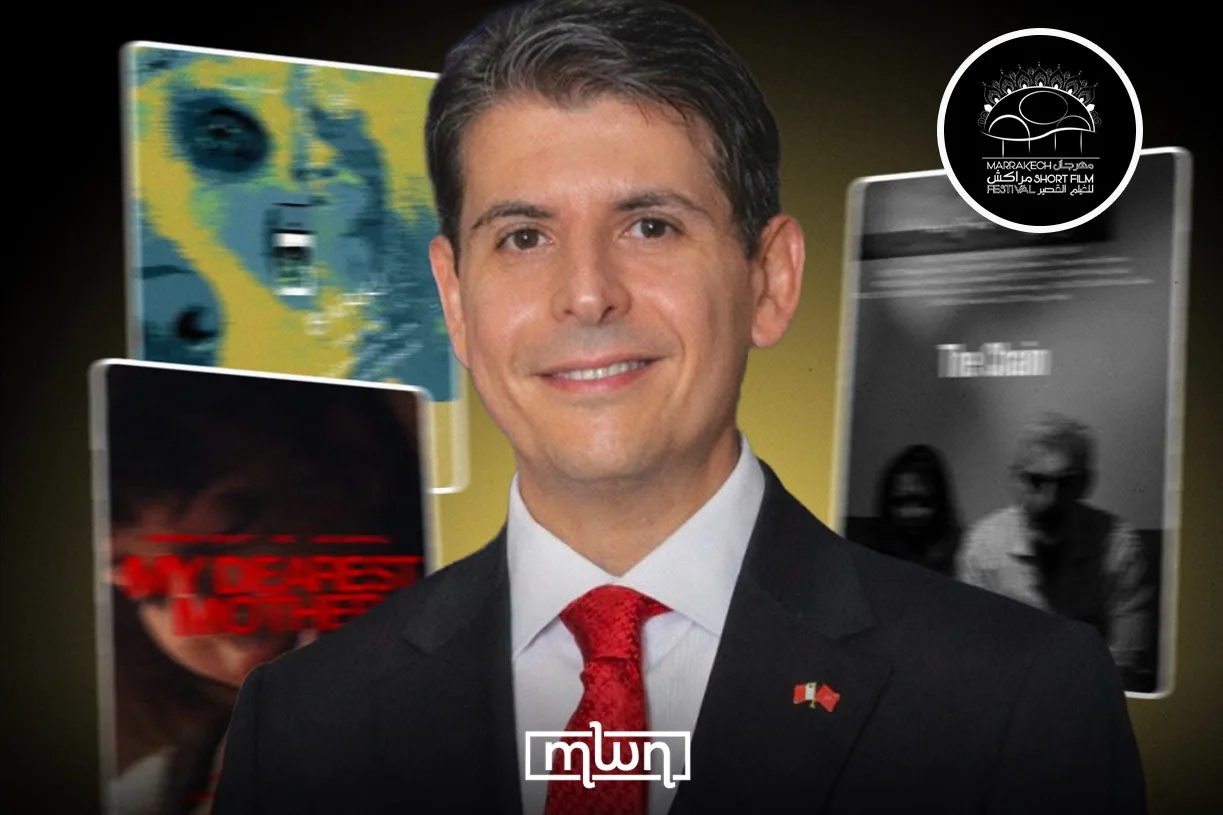
Speaking to MWN Lifestyle magazine, Malta’s Consul General in Casablanca, Ivan Vassallo, said the collaboration builds on the Consulate’s efforts to introduce Maltese creativity to Moroccan audiences.
“The diversity of the Maltese selection will offer Moroccan audiences a kaleidoscope of stories, perspectives and experiences,” Vassallo said.
The wider festival received more than 400 short films from over 90 countries across five continents. Screenings and events will take place across Marrakech, including El Badii Palace, Cyber Park, the Institut Français de Marrakech, and other cultural spaces.
Malta through drama, animation and social stories
The Maltese program moves across drama, animation, and socially driven storytelling, offering Moroccan audiences several entry points into the country’s cultural landscape.
“Unur, Fama u Glorja” explores relationships through sport, ambition, injury, and identity, while “The Chain” and “My Dearest Mother” turn toward family bonds, tensions, and sacrifice.
Animation titles include “Mr Teddy Is Angry,” “Filfla,” “Karamellu,” and “Somewhere.” Together, the films move from childhood imagination and Maltese legends to local customs and an imaginative journey through space.
The program also includes “Cookiebox” by Polish filmmaker and Malta resident Adam Zurawiecki.
The film addresses migration, domestic violence, and social integration, adding a contemporary social dimension to a selection otherwise rooted heavily in family, memory, heritage, and Maltese cultural identity.
The films present Malta not through a single national image, but through intimate relationships, animation, social realities, and stories shaped by the island’s distinctive cultural position between Europe and the Mediterranean.
A language bridge between Malta and Morocco
For Vassallo, cinema complements another connection between the two countries: language.
Maltese is the European Union’s only official Semitic language and shares strong linguistic connections with Arabic, alongside influences from Sicilian and Italian.
Vassallo pointed to similarities that Moroccan audiences may recognize immediately, including place names such as Safi and Rabat.
“On a personal level, I sometimes adapt my Maltese to communicate in Darija,” he said, describing language as a natural bridge between Malta and North Africa.
He argued that film can serve a similar role.
“Although it cannot replace official government-to-government engagement, it can complement traditional diplomacy by adding a distinctly human dimension,” Vassallo explained.
For Malta, the Marrakech program is ultimately about allowing those connections to emerge through stories rather than official statements.
“Ultimately, I also hope that the Moroccan viewer may find in Malta a kindred partner and friend in Europe,” Vassallo said.
MARRAKECHsFF is turning the short-film format into a meeting point between two Mediterranean countries whose connections extend through language, migration, culture, and shared experience.