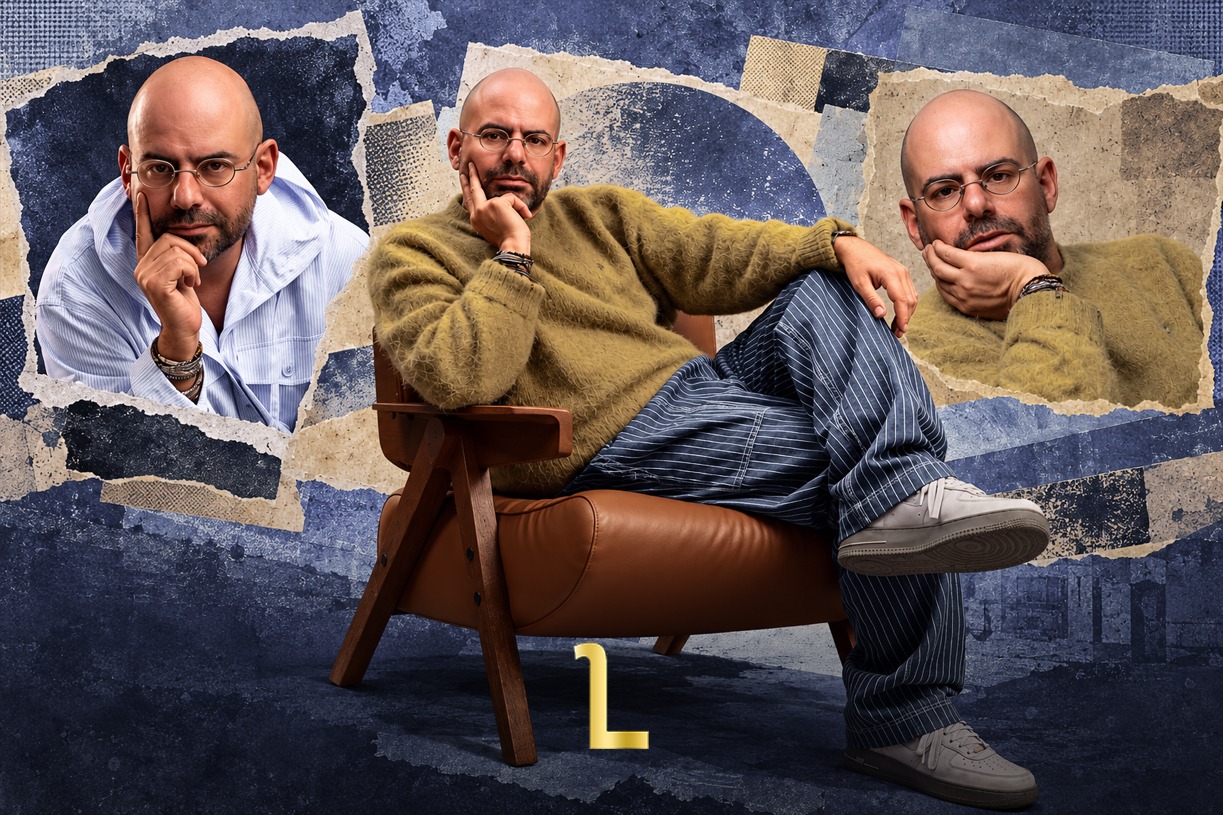
Fez — Youssef Benhamou is not particularly interested in designing a room that everyone will immediately find beautiful. He would rather create something that surprises people, challenges their expectations, or makes them feel something they cannot quite explain.
In an exclusive interview with Lifestyle Magazine, the founder of Benhamou Studio and Mindmade opens up about his creative philosophy, the importance of Moroccan craftsmanship, and the challenges facing the country’s growing design industry.
“I do not necessarily aim to create something that will immediately please everyone. I would rather create a space that provokes a reaction, curiosity, or emotion,” the Moroccan interior architect told Lifestyle magazine.
For Benhamou, who founded the Casablanca-based Benhamou Studio, interior architecture has never been simply about arranging expensive furniture or matching colors. It is a deeply personal exercise in translating emotions, memories, and sometimes contradictions into physical spaces.
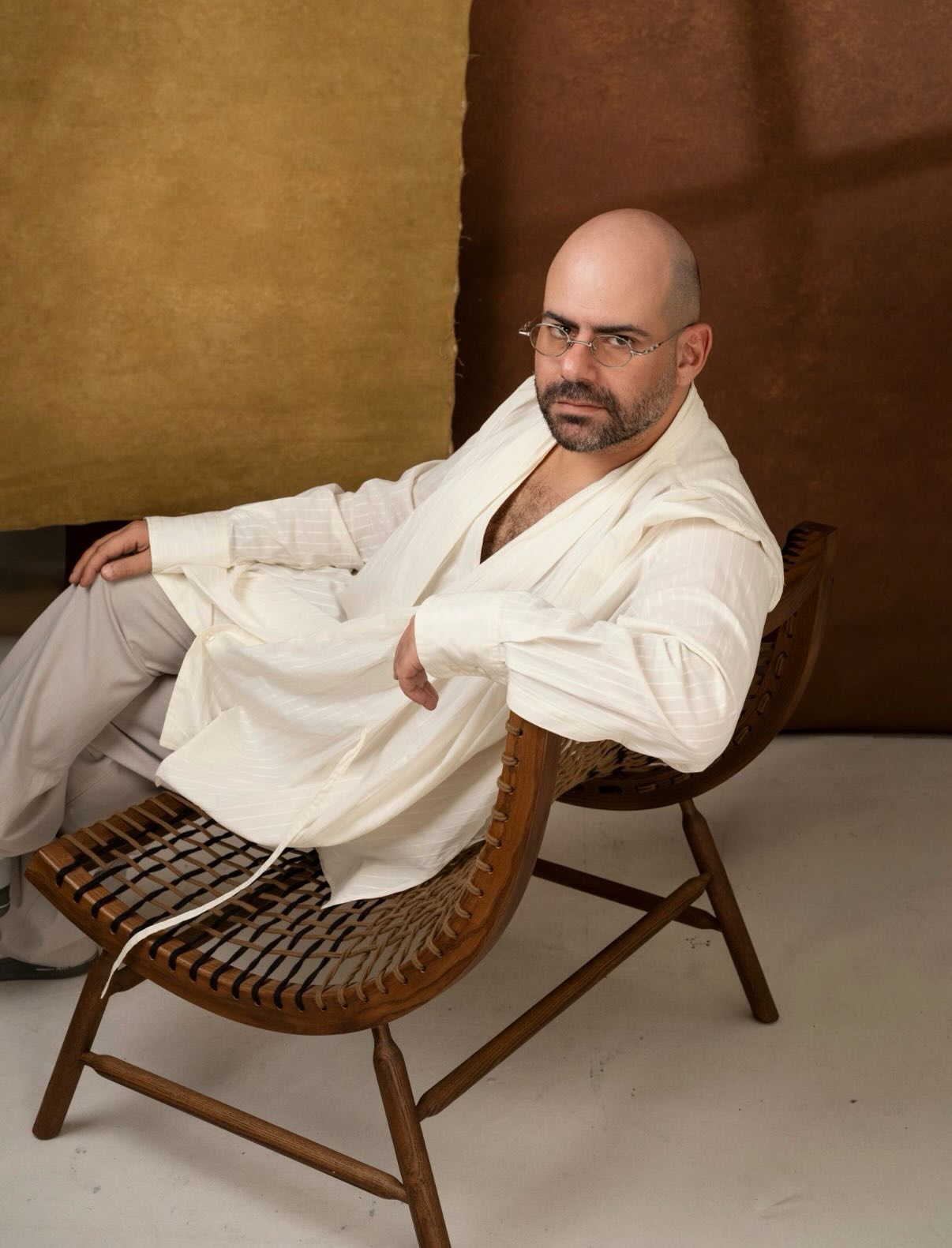
“I have never considered my profession to be simply about decoration. Placing beautiful furniture in a room is not enough to tell a story or give a space its soul.”
Over more than fifteen years, that philosophy has shaped residential, hospitality, and commercial projects across Morocco. His work combines contrasting materials, unconventional proportions, contemporary furniture, and traditional Moroccan craftsmanship.
Yet his creative identity resists a single recognizable aesthetic.
“My design language is eclectic, sometimes bold, but never without purpose,” he explained. “I enjoy bringing together different influences, periods, textures, and proportions to create an equilibrium that is not necessarily conventional.”
Designing with intuition before drawing the plans
Benhamou’s career began after studying interior architecture in Montpellier, France. He subsequently returned to Casablanca, where he worked on the launch of an Italian furniture showroom before developing his own architectural practice.
Today, his creative process begins somewhere less technical than a floor plan.
“My creative process always begins with intuition. Before considering technical constraints, functionality, or materials, I need to imagine a direction, an atmosphere, an identity.”
That initial feeling becomes the foundation of a project.
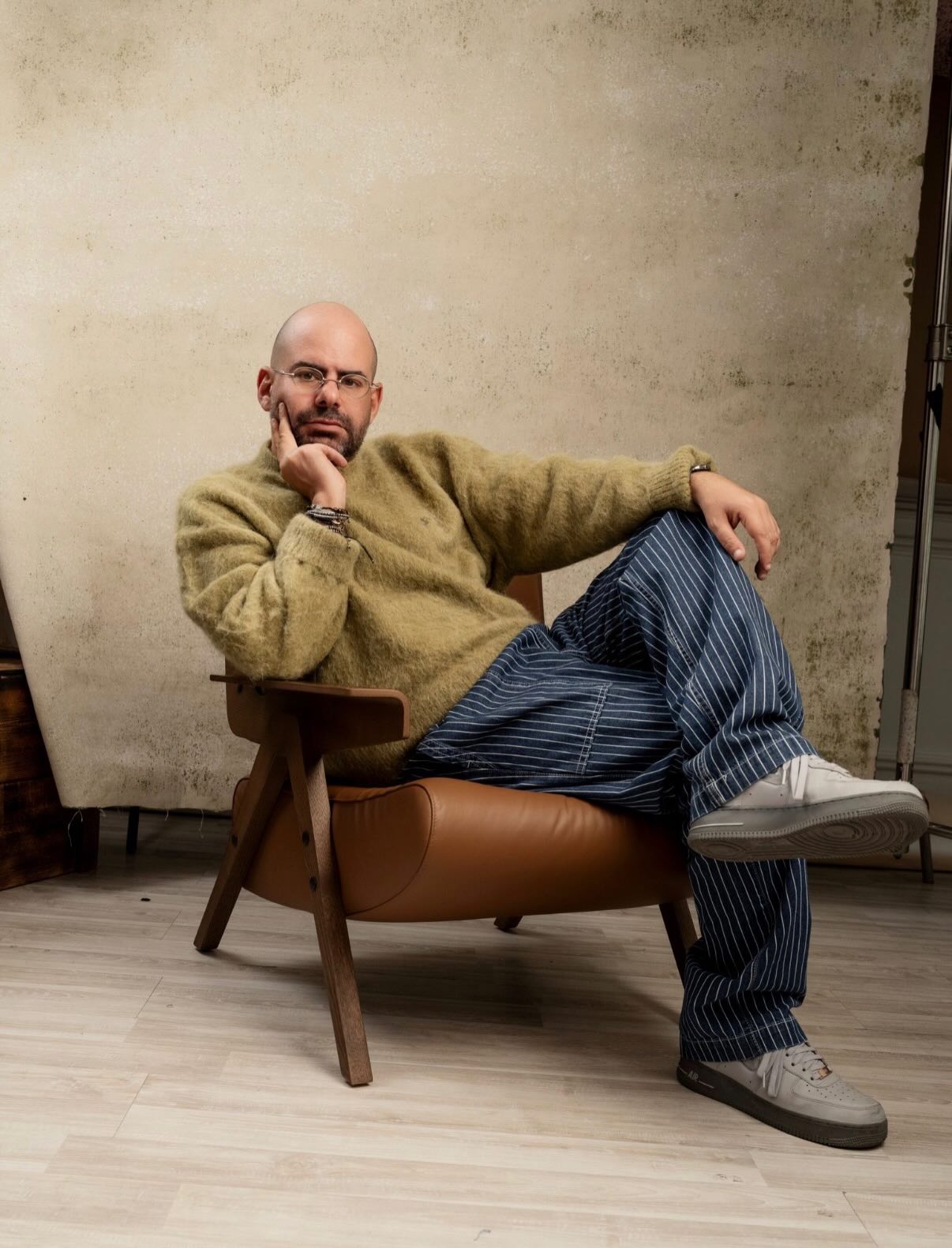
In private residences, he looks for a relationship between his own artistic instincts and the personality of the people who will live there. In hotels, he concentrates on the memories and emotions that guests might take away.
Commercial projects require another approach, one that transforms a brand’s identity into a physical experience.
But intuition alone does not make a functional interior. “Intuition gives a project its soul, but discipline allows it to exist and function in everyday life,” he said.
The distinction matters to Benhamou because an interior should never become more important than the people inhabiting it.
“For me, true luxury lies in the balance between character, emotion, and a sense of effortless harmony.”
A Marrakech guesthouse that refuses to imitate the past
One of the clearest expressions of his philosophy is a guesthouse in Marrakech’s Palmeraie, a project that earned him the Hospitality Award at the 2025 Moroccan Interior Design Awards.
The property combines earthy surfaces, sculptural arches, contemporary furniture, and carefully selected Moroccan objects.
Rather than reproduce a familiar luxury riad aesthetic, Benhamou wanted guests to experience a more personal version of Moroccan hospitality.
“My intention was to create a contemporary Moroccan experience, moving away from the sometimes predictable codes of traditional hospitality.”
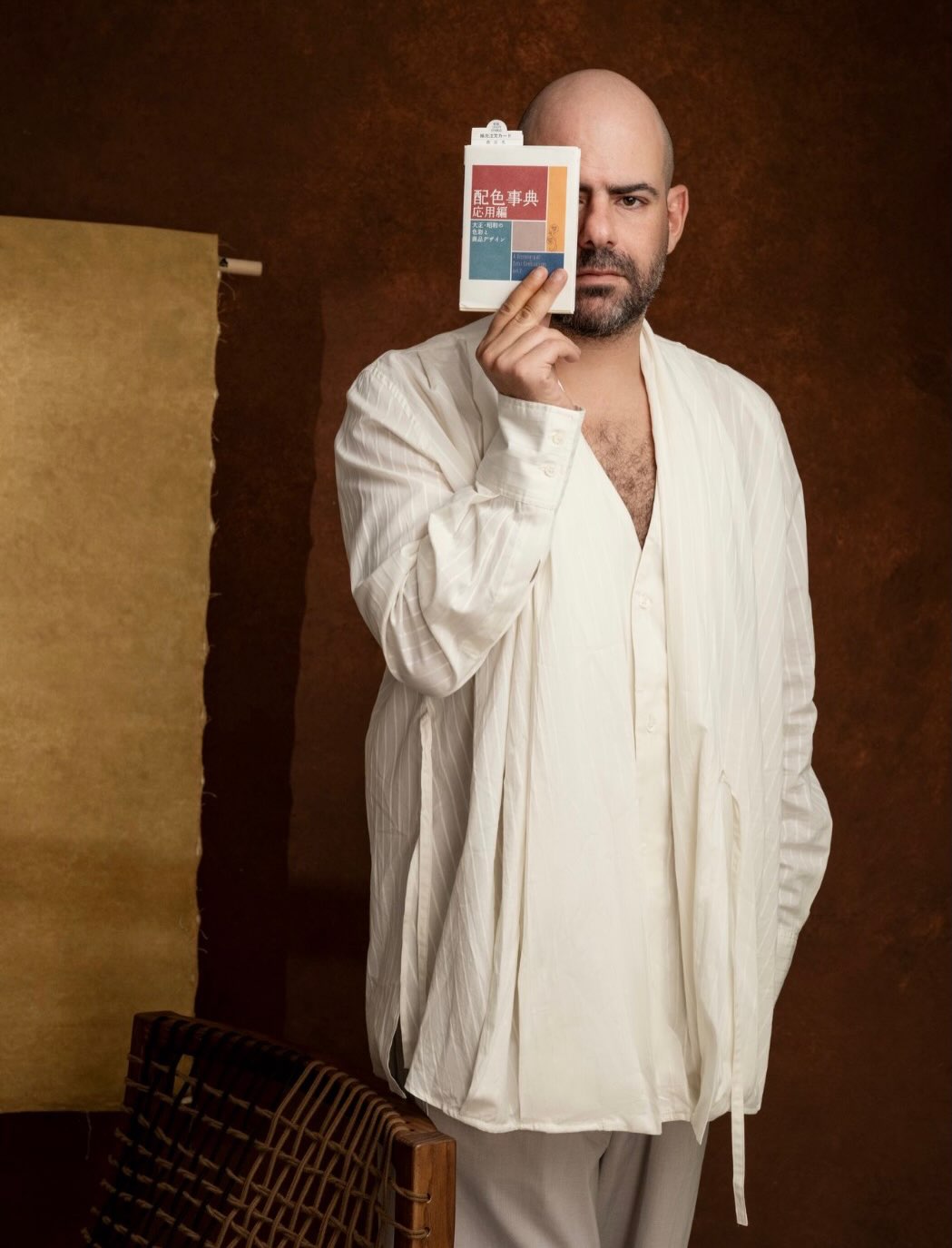
He introduced vintage objects and handmade Moroccan pieces alongside modern furniture. The interiors also incorporate objects collected by the property’s owner during her travels.
Those personal possessions became part of the architectural narrative, allowing different cultures and memories to coexist.
“Nothing is entirely uniform, yet everything finds its place within a harmonious balance,” Benhamou said. “To me, contemporary Moroccan identity is not about reproducing traditional symbols. It is about allowing our craftsmanship and cultural heritage to exist within a design language that truly belongs to our time.”
He wanted visitors to feel as though they had entered someone’s home rather than a hotel created around a decorative formula.
Why Moroccan craftsmanship should not remain trapped in tradition
That belief also shaped Arabesque, a restaurant project in Tangier where Benhamou explored the relationship between Moroccan craftsmanship and Mediterranean influences.
The project incorporates traditional zellige and tataoui, a wood craftsmanship technique used in the ceilings.
According to Benhamou, nearly 70% of the project’s finishes rely on artisanal work.
Despite that extensive use of traditional techniques, the finished space does not attempt to reproduce a historical Moroccan interior.
“I did not want to reproduce the codes of a traditional Moroccan interior. Instead, I wanted to bring together two sensibilities that share so much,” he explained.
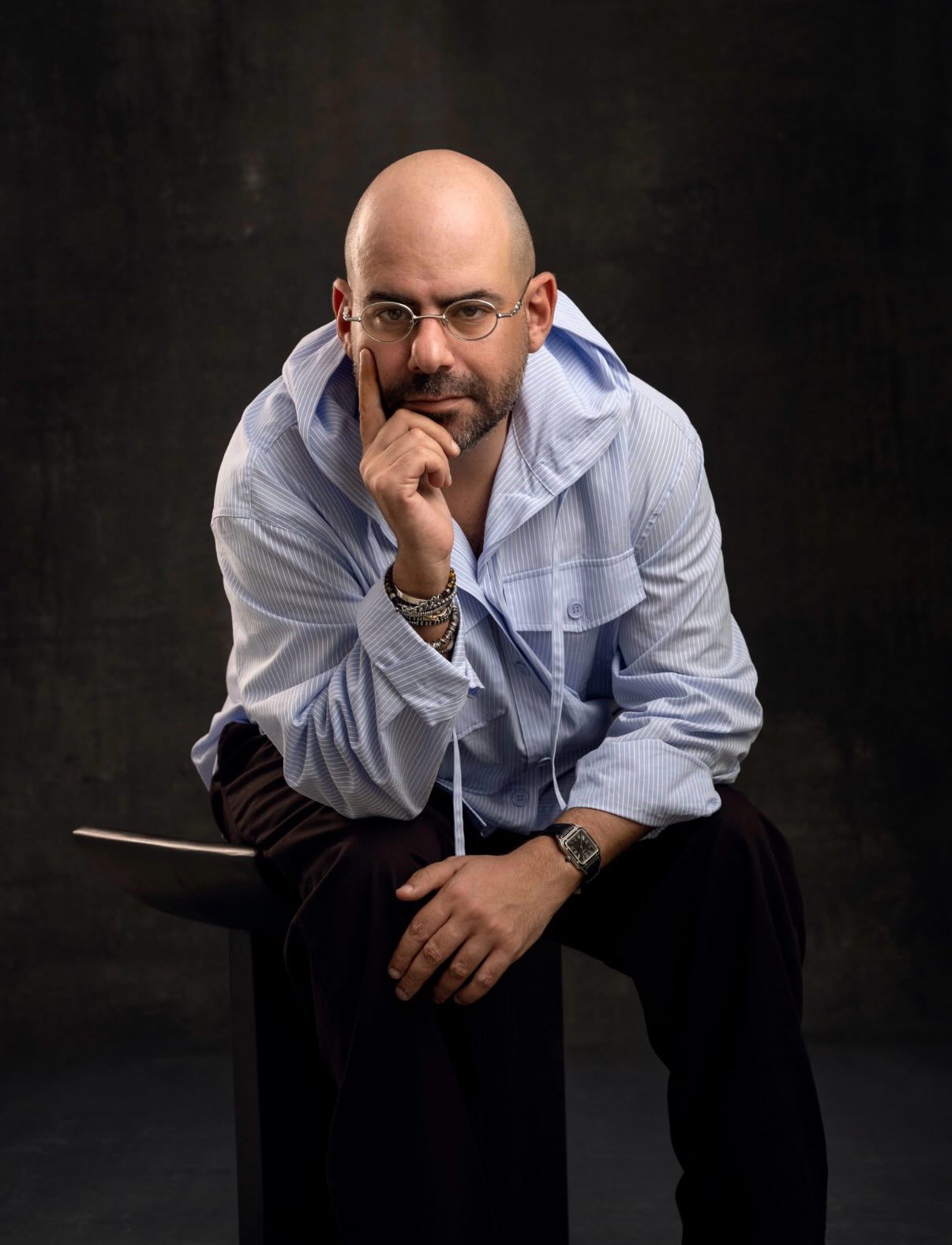
The connection emerges through natural materials, light, architectural proportions, and craftsmanship.
“For me, craftsmanship is not a decorative element added at the end of a project. It is an integral part of the architectural concept itself,” he said.
His approach challenges the assumption that contemporary interiors must abandon traditional techniques to feel modern.
“Modernity is not about erasing traditions, but about giving them new ways to express themselves,” the designer explained.
The freedom to create without a client
After more than fifteen years of designing spaces for other people, Benhamou began exploring what might happen if he created something without a client’s specifications.
That desire led to Mindmade, his collection of collectible furniture and objects.
“Mindmade is a collection of everyday furniture and objects, conceived as a natural extension of my creative universe,” he explained.
“Perhaps more importantly, it represents a way of reconnecting with the sense of freedom I experienced at the beginning of my career.”
The collection explores the relationship between functional objects, sculptural forms, and architecture.
One of its creations, “FRAME,” a sculptural wall light, received a DNA Paris Design Award in 2026 in the Furniture & Lighting category.
The recognition gave Benhamou an opportunity to pursue design at a different scale.
“When designing an interior, we create an entire universe in which objects find their place. When designing an object, we give it its own identity and presence, while considering the relationship it will establish with the surrounding architecture.”
For Benhamou, the transition from rooms to individual objects is not a change of career.
It is an opportunity to experiment without the limitations of conventional architectural commissions.
“With Mindmade, I am simply rediscovering the freedom to imagine, purely for the pleasure of creating.”
Morocco has the talent, but not yet the industry
Behind that creative freedom, however, Benhamou encountered a frustrating reality.
Designing collectible furniture in Morocco proved easier than finding manufacturers capable of producing it to his specifications.
“The greatest challenge with Mindmade was not designing the objects themselves, but finding the right partners capable of bringing them to life,” he said.
According to Benhamou, Morocco’s manufacturing ecosystem has not fully adapted to the demands of contemporary collectible design.
Industrial manufacturers generally favor large production volumes, while smaller artisan workshops may lack the equipment or technical capabilities required for certain minimalist forms and finishes.
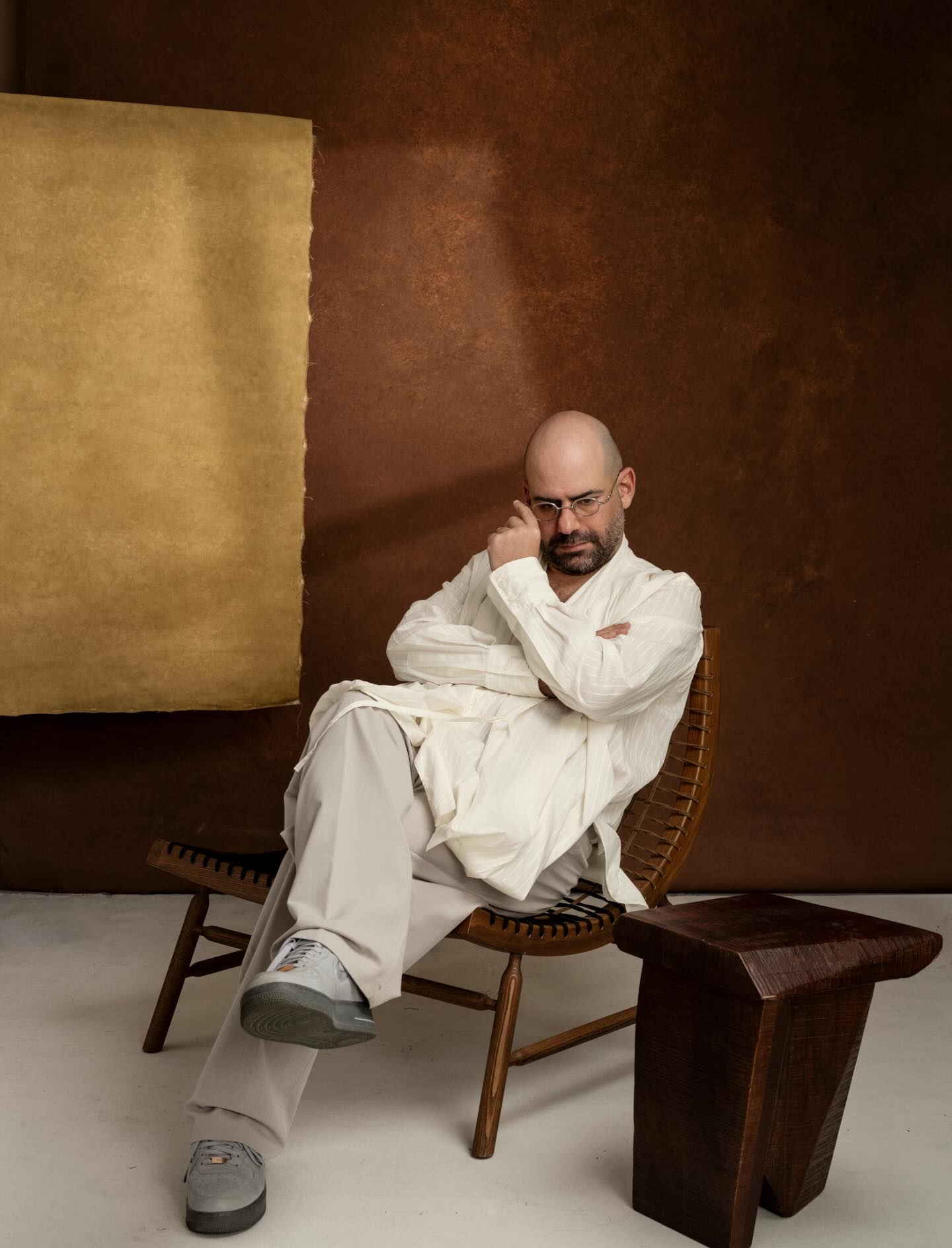
His designs often depend on precise lines, specialized assemblies, and demanding contemporary materials.
“Morocco has an extraordinary artisanal heritage, but we still lack production structures genuinely adapted to contemporary design, particularly when it comes to small series and limited-edition pieces.”
These obstacles eventually forced him to work with production partners outside Morocco for certain objects.
“This was not my original intention, but I was unwilling to compromise the quality or integrity of a design simply because of manufacturing limitations.”
His experience raises a broader question about the future of Moroccan design.
The country possesses generations of artisanal knowledge and an emerging community of designers, but transforming individual creativity into a sustainable industry requires greater cooperation between craftspeople, manufacturers, and creative professionals.
“We have the ideas. We have the talent. What we still need are the structures capable of transforming that creativity into a genuine design industry.”
When Pinterest becomes the enemy of personality
Benhamou is equally concerned about another challenge facing contemporary interior design.
Clients increasingly arrive at consultations with collections of images from Pinterest, Instagram, and other platforms.
He does not oppose these references. In fact, he acknowledges using them himself, alongside newer technologies.
“Pinterest, Instagram, and now ChatGPT have become inspiration tools that we also use in our own creative process.”
The problem begins when inspiration replaces genuine creative thinking.
Some clients arrive with dozens of unrelated images, while others become attached to a fashionable aesthetic that leaves little room for individuality.
“The risk is creating an interior that feels generic and lacks a distinctive personality,” he explained.
Instead of dismissing clients’ preferences, Benhamou tries to understand what attracts them to particular materials, colors, and compositions.
He then reinterprets those elements within a broader architectural vision.
“A trend can be a starting point, but it should never become the final objective.”
His position reflects a larger concern about contemporary visual culture, where countless interiors can begin to resemble one another despite their differences in location and purpose.
“My job is not to reproduce an image that someone likes, but to create a universe with an identity of its own.”
Who gets to call themselves an interior architect?
Beyond aesthetics and production, Benhamou believes the profession itself needs stronger foundations in Morocco.
He argues that the Moroccan interior design market has changed considerably since 2020, with clients becoming more informed and increasingly willing to invest in professional expertise.
However, he sees a growing gap between that market maturity and the standards governing the profession.
“Today, many people present themselves as interior architects without having received specific training or acquired the technical competencies required to practice this profession.”
For Benhamou, interior architecture demands more than visual taste.
It requires knowledge of construction, technical constraints, materials, circulation, and the responsibilities involved in designing spaces for other people.
“Interior architecture is not simply about having aesthetic sensitivity or knowing how to arrange a beautiful space.”
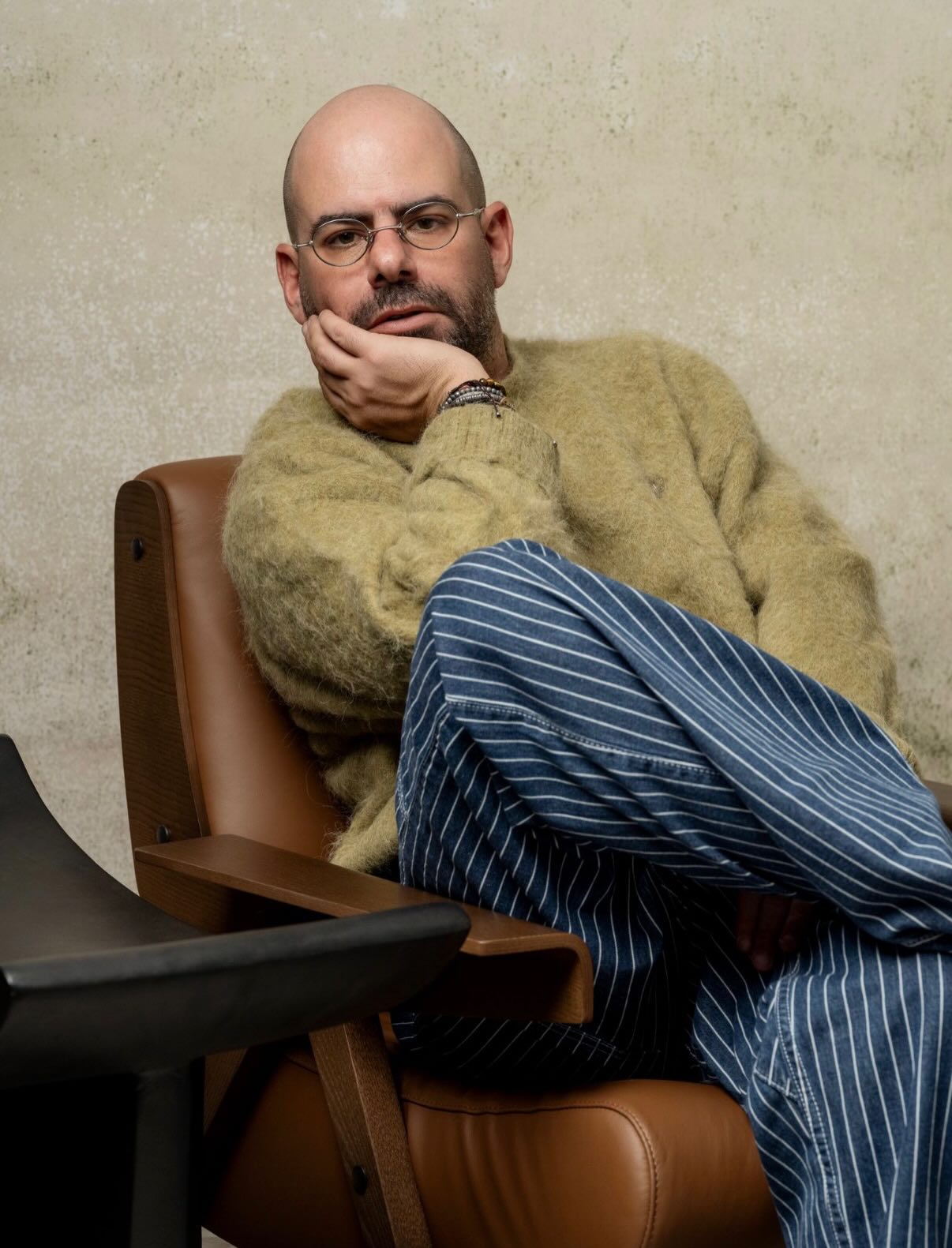
He has advocated for a professional regulatory body, potentially an official order of interior architects, to establish qualification criteria and professional standards.
The proposal, he stresses, is not intended to exclude emerging designers.
Rather, he wants a clearer distinction between qualified architectural practice and decorative services.
“The Moroccan market is ready. Clients have evolved. Now it is time for our profession to develop the structure and standards that match this maturity.”
A designer who refuses to settle into one style
Looking ahead, Benhamou has little interest in making his studio bigger simply for the sake of expansion.
Instead, he wants to develop increasingly distinctive projects while giving Mindmade more room to evolve.
“The objective is not necessarily to do more, but to do better,” he said.
His ambitions include new collectible objects, exhibitions, and potential collaborations with Moroccan and international brands.
Some of those opportunities are already under discussion, although he remains more interested in the creative possibilities than in following a fixed commercial formula.
“I have no desire to confine my work to a fixed aesthetic.”
For someone whose career has involved bringing together apparently incompatible influences, that resistance to creative predictability is perhaps his most consistent characteristic.
“I want to keep exploring, experimenting, and creating unexpected combinations.”
Benhamou’s work ultimately reflects a particular vision of Moroccan design, one that values heritage without turning it into a formula, and embraces modernity without losing its cultural foundations.
“My ambition is to keep building a creative universe that truly reflects who I am, while allowing it to evolve, reinvent itself, and engage in a dialogue with the world.”