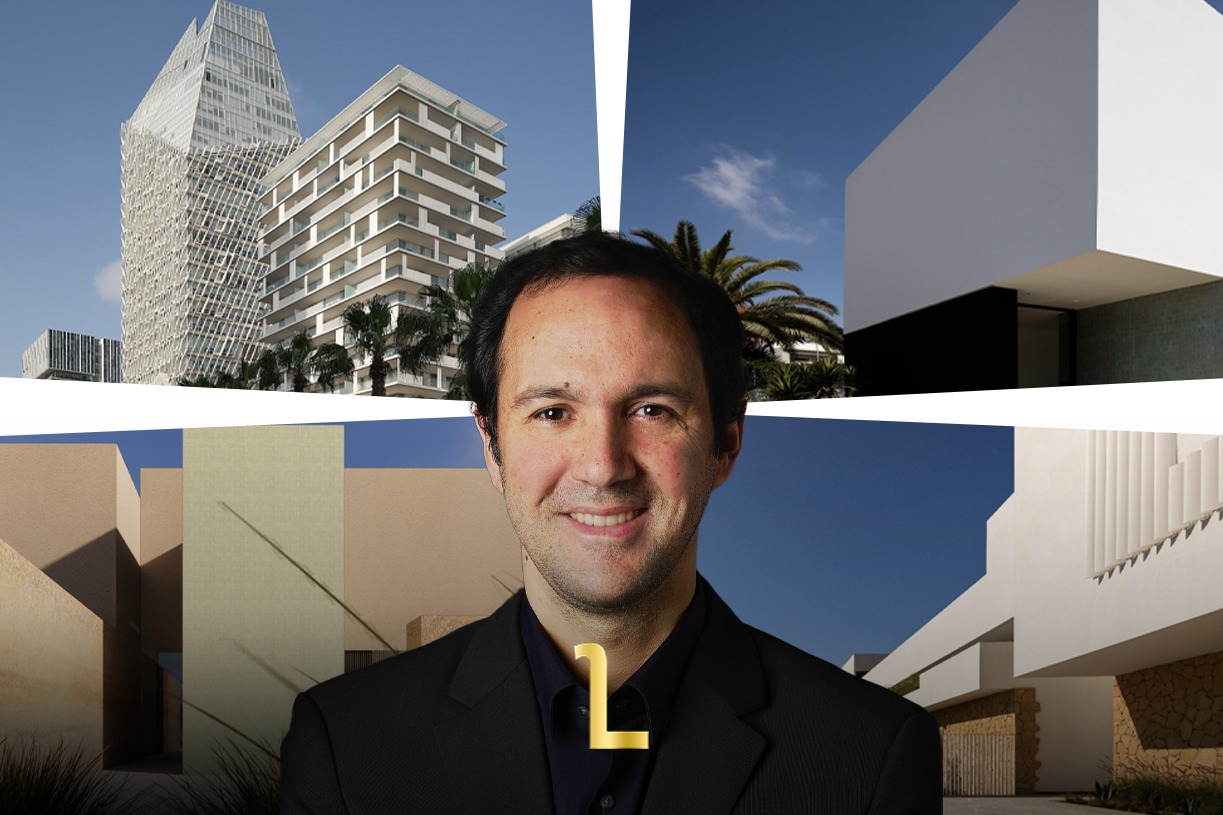
Fez — For Moroccan architect Driss Kettani, a building should do more than occupy space. It should respond to its surroundings, understand the people who inhabit it, and create moments that stay with them.
Light, shadow, texture, and silence are as important to his architectural thinking as structure and function. His work seeks a balance between the precision of modern design and the emotional qualities that give a place its character.
“The strength of simplicity, spatial clarity, fluid functionality, and the interplay of light and shadow are guiding principles,” Kettani told Lifestyle magazine in an exclusive interview.
It is a philosophy visible across his work, from educational institutions in southern Morocco to residential projects in Marrakech and Casablanca.
Having graduated from the National School of Architecture of Rabat in 2003, Kettani established his Casablanca-based practice in 2005, taking an ambitious step just two years into his professional career.
He describes the decision as risky, driven partly by the confidence of youth and a desire to develop his architectural ideas independently.
Alongside his friends and fellow architects Saad El Kabbaj and Mohamed Amine Siana, he developed a collaborative model that allowed each architect to pursue individual projects while joining forces for competitions and larger commissions.
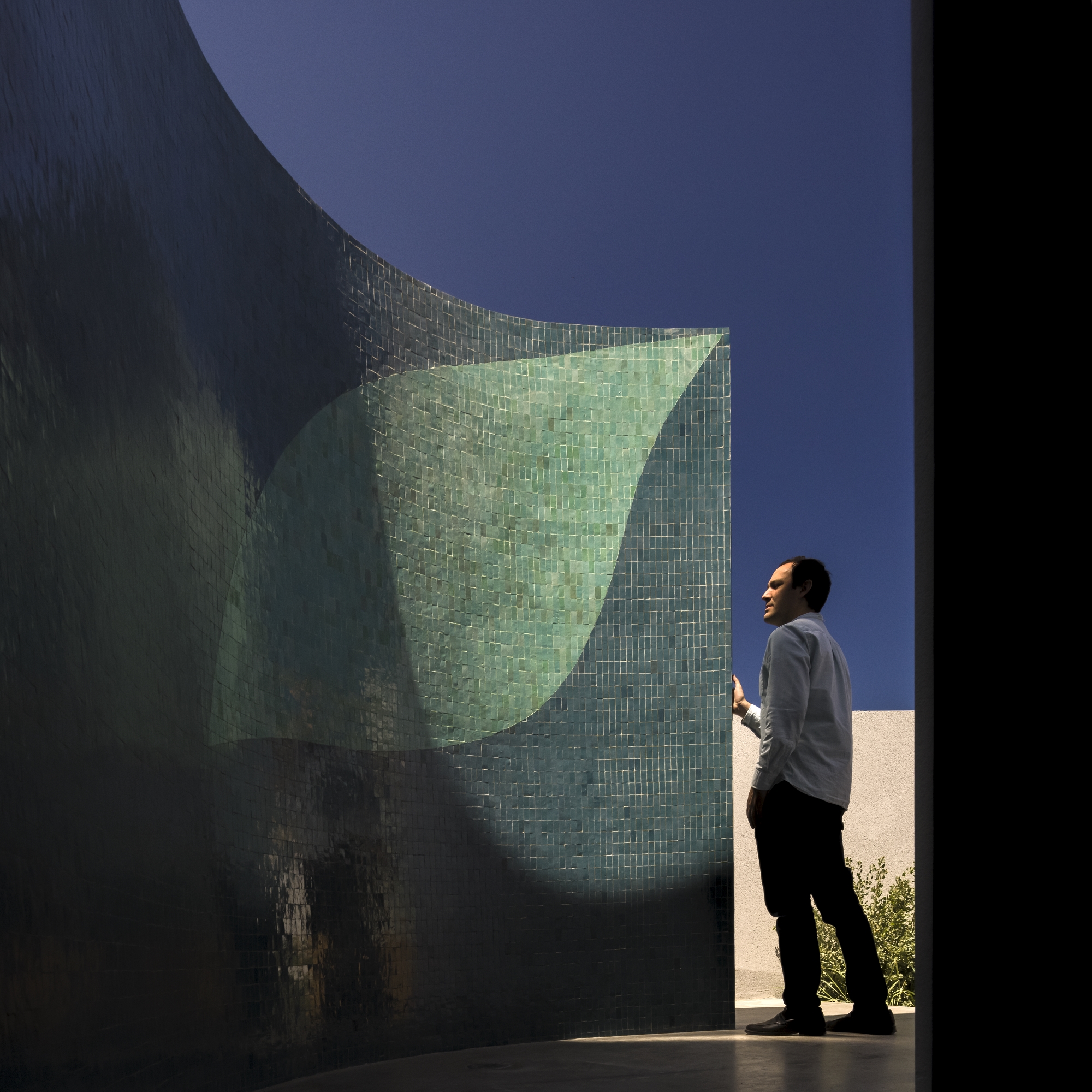
“We have maintained this model to this day,” he said, explaining that the arrangement allows them to combine their thinking without sacrificing their individual creative identities.
Over the following two decades, the approach helped establish Kettani’s presence in Moroccan contemporary architecture and brought international attention to several of his projects.
Finding modernity in Morocco’s architectural heritage
One of Kettani’s earliest major projects, the Multidisciplinary Faculty of Taroudant, offers a revealing example of his philosophy.
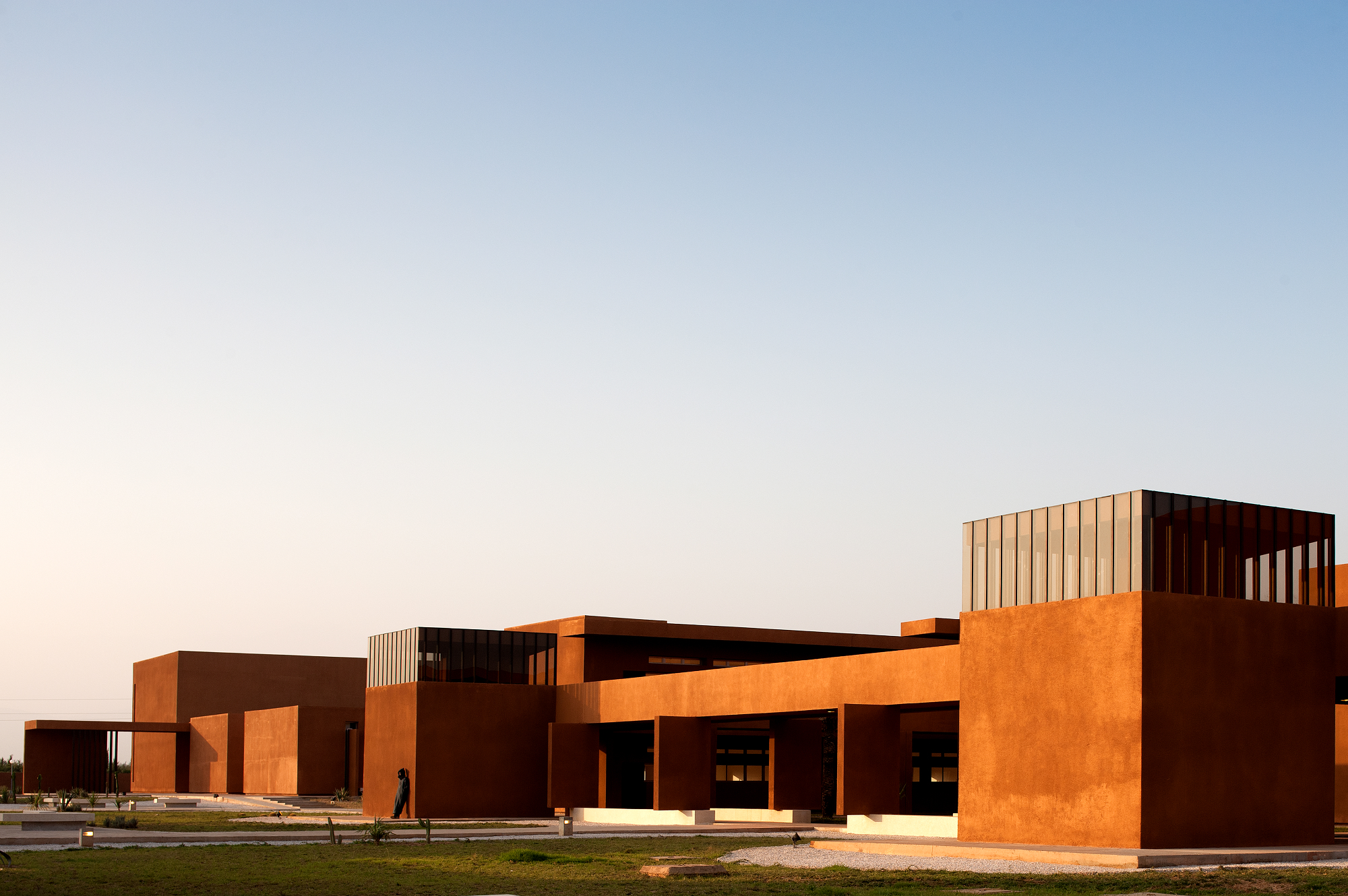
Designed with El Kabbaj and Siana, the university complex takes inspiration from southern Morocco’s architectural heritage without attempting to reproduce it literally.
Its buildings unfold around a central riad, with views toward the surrounding mountains and a garden of argan trees.
Courtyards, shaded passages, and carefully oriented openings help regulate the building’s relationship with the climate.
Kettani describes the project as an attempt to reinterpret the essential principles of traditional architecture through contemporary forms.
The design draws on natural ventilation, solar protection, thermal mass, and the relationship between monumental spaces and more intimate areas.
“The goal was to apply these principles within a layout of great clarity,” he explained, noting that the university also needed to respond to a limited budget and construction constraints.
The result is an educational environment in which climate-conscious design becomes part of the architectural experience rather than an additional technical feature.
A similar approach shaped the Higher School of Technology of Guelmim, completed in 2011.
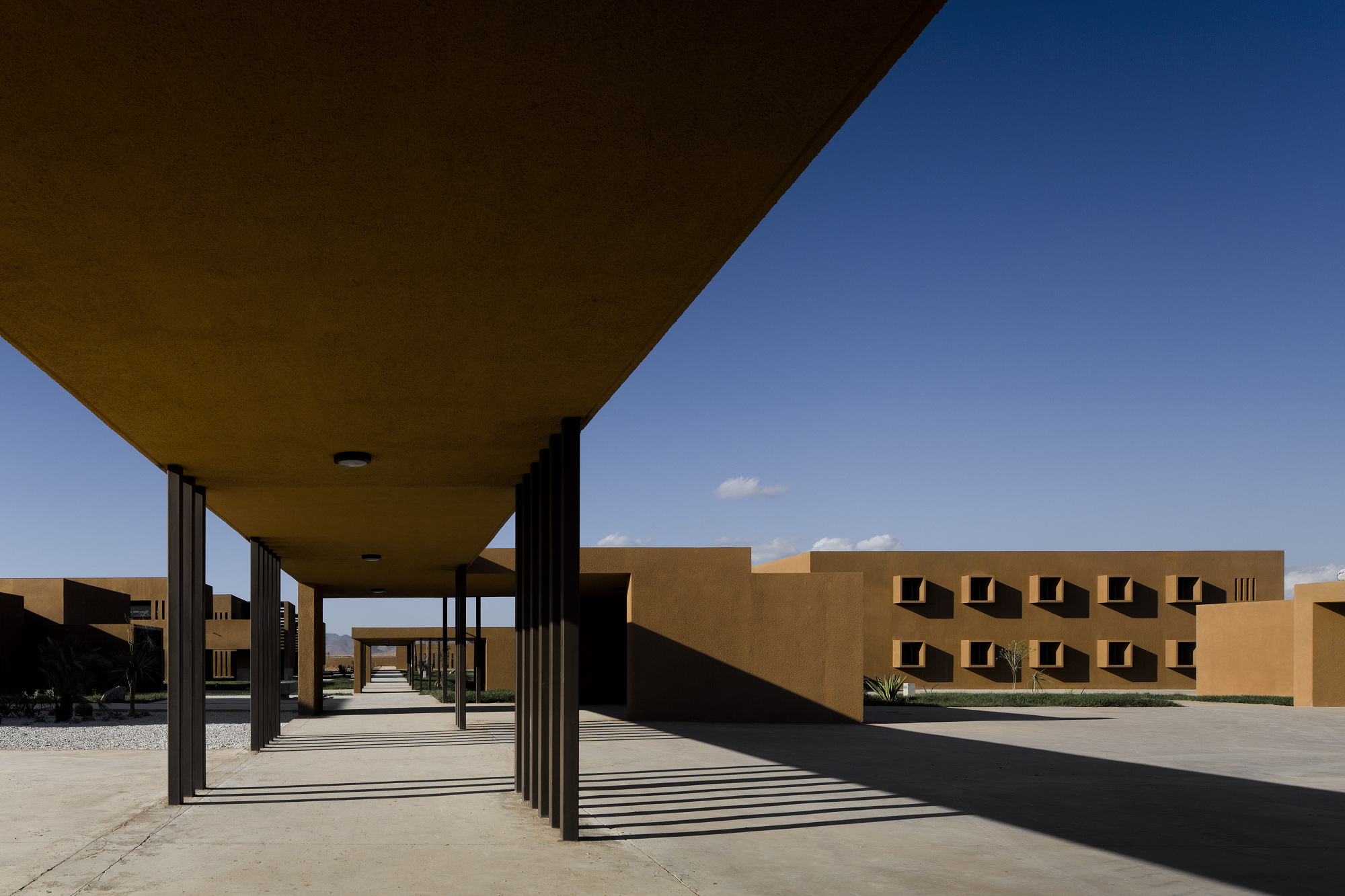
There, the architects adapted their principles to the region’s arid conditions, introducing smaller courtyards, sheltered openings, and protective screens against sandstorms.
Kettani sees these decisions as part of an evolving architectural vocabulary.
“It is as if we had developed a repertoire of architectural principles that we adapt and evolve according to the specific context of each project,” he said.
The Guelmim project was shortlisted for the 2016 Aga Khan Award for Architecture, while Kettani’s work also received recognition through the Archmarathon Award in Beirut in 2015 and the Mimar Sinan Prize in Istanbul in 2016.
His career later extended into international discussions of sustainable construction, including his participation on the Holcim Foundation Awards 2025 jury for the Middle East and Africa region.
Readers can explore his architectural background and international recognition through the foundation’s profile.
Marrakech, where earth becomes architecture
If Kettani’s educational projects reveal his interest in spatial clarity, his Akenza Marrakech designs place a stronger emphasis on intimacy and sensory experience.
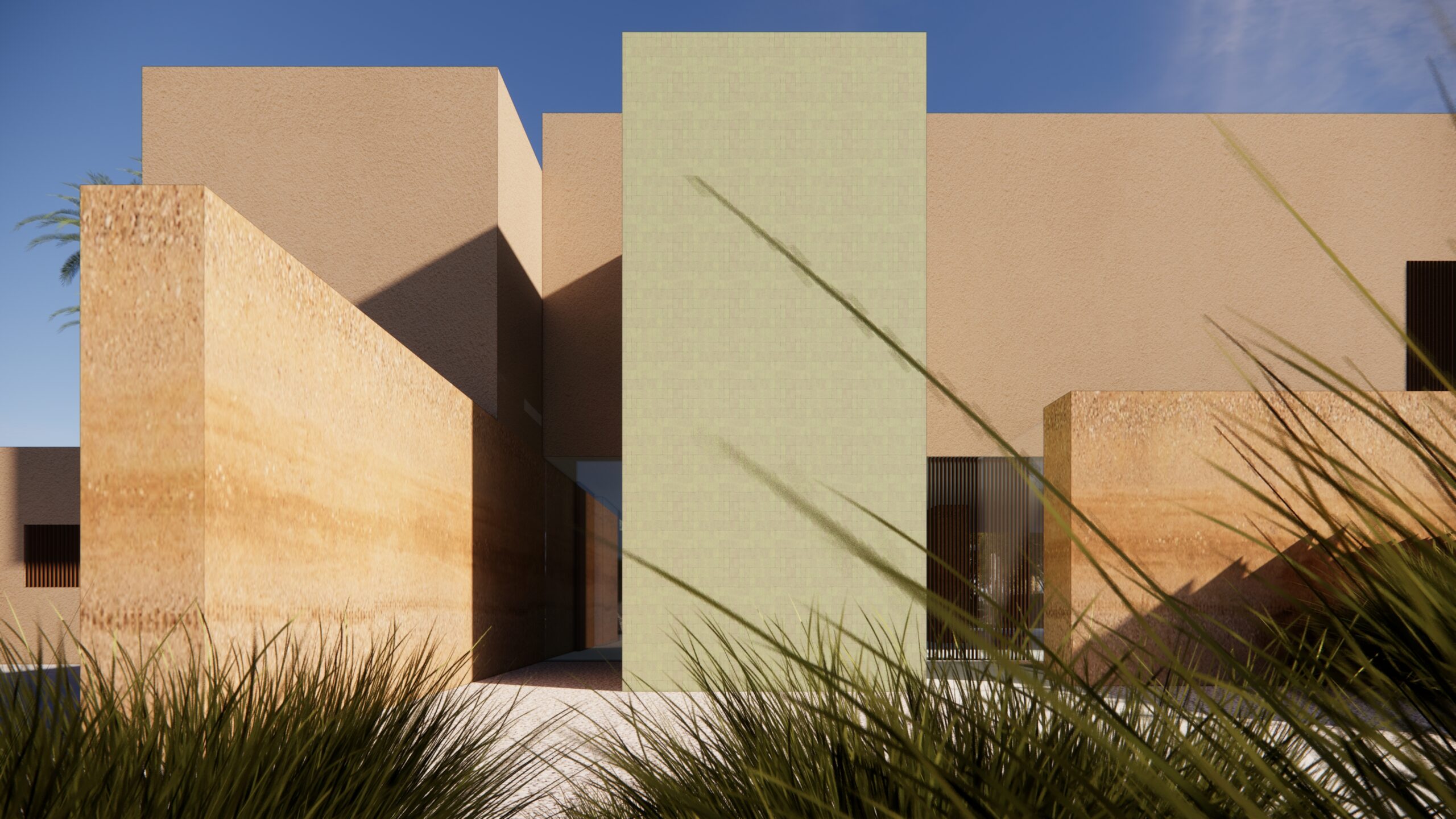
The residential project draws on one of Morocco’s most recognizable building materials: rammed earth.
Rather than using earthen walls merely as decoration, Kettani makes them central to the spatial composition.
They guide movement, shelter planted courtyards, frame views, and gradually reveal different areas of the home.
The architecture moves between enclosure and openness, allowing visitors to experience a succession of spaces before reaching the garden.
“It is a solution that combines a climate-responsive approach and a quest for privacy with the architectural composition,” he explained.
The walls also create a tactile relationship with Marrakech’s distinctive sunlight.
For Kettani, their significance extends beyond their appearance. Earth becomes a material that can simultaneously provide thermal protection, organize space, and create atmosphere.
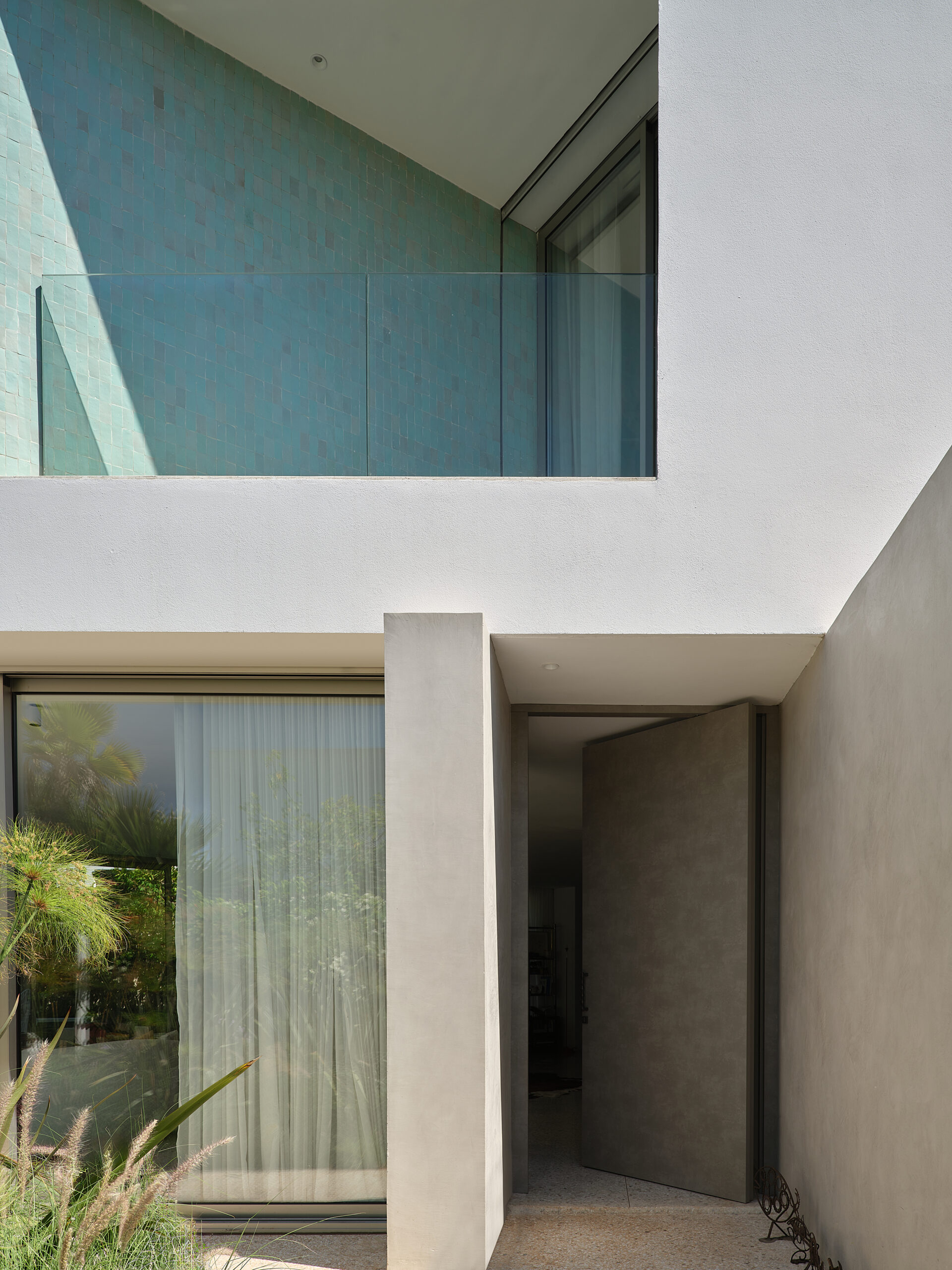
His studio’s project also incorporates traditional green-toned zellige, shaded openings, and vegetation selected with the local environment in mind.
The project illustrates a recurring idea in his practice: Moroccan identity does not have to be expressed through familiar decorative references alone.
It can emerge through materials, proportions, transitions, and the experience of moving through a building.
Reimagining Rabat’s modernist legacy
Kettani’s sensitivity to architectural history also appears in the Jacques Chirac School Complex in Rabat.
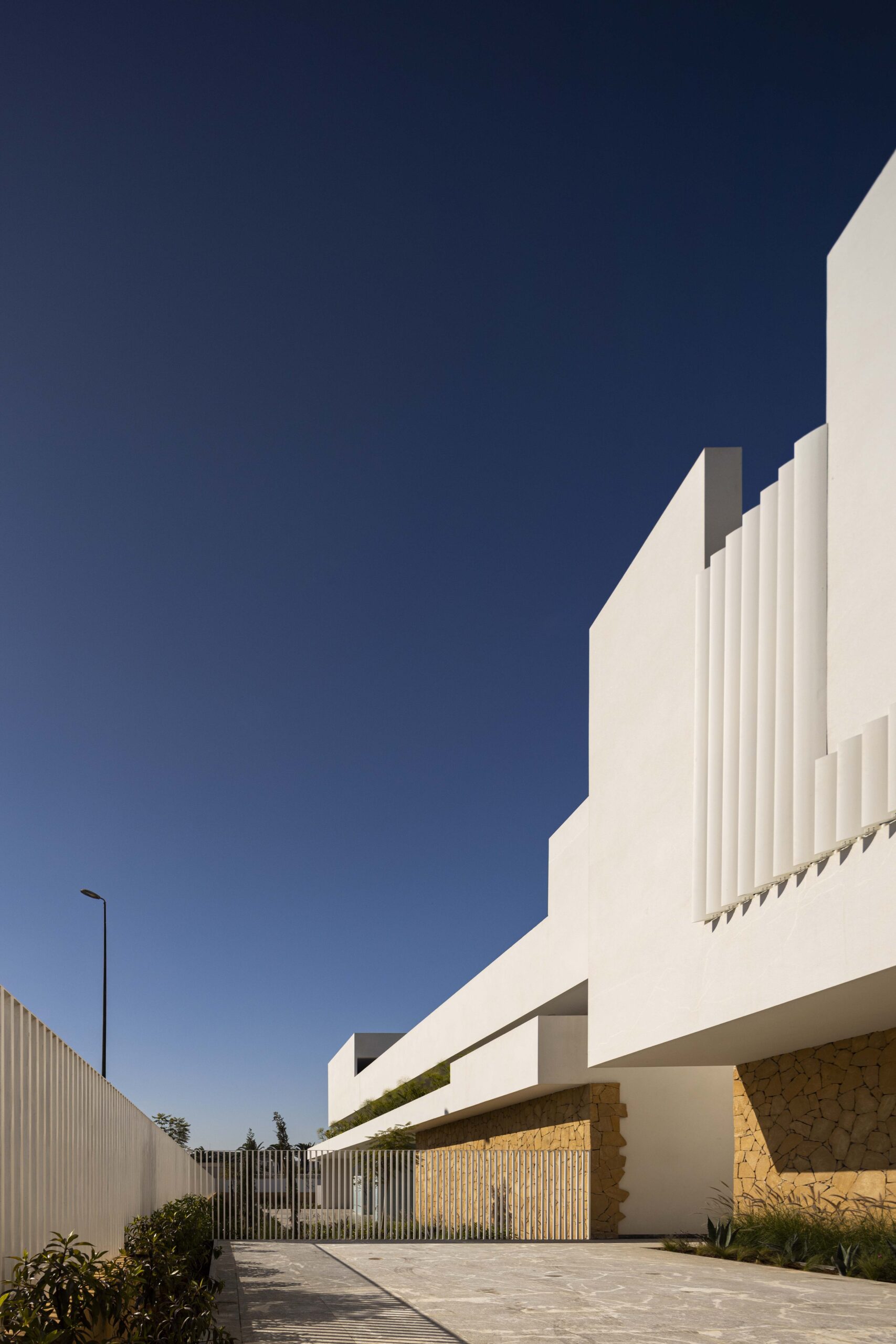
For this project, he and his collaborators looked toward the city’s modernist educational buildings, many distinguished by horizontal lines, restrained facades, and carefully organized spaces.
“Rabat boasts a rich architectural heritage — particularly regarding its schools — characterized by a striking simplicity and a sense of serenity,” he said.
Rather than copying these buildings, the architects sought to reinterpret their principles for a contemporary school environment.
The challenge involved accommodating a dense educational program within a constrained plot while developing a long facade along Mehdi Ben Barka Avenue.
Kettani’s response emphasized compositional clarity, horizontal rhythm, and fluid movement between spaces.
The project demonstrates how architectural heritage can remain relevant without being reproduced as a fixed style.
Teaching the next generation to think differently
Beyond his design practice, Kettani teaches at the School of Architecture, Planning and Design at Mohammed VI Polytechnic University.
Teaching, he says, has become an important part of his intellectual life. “There is a famous saying that to teach is to learn,” he reflected.
Working with students requires him to examine his own ideas, explain complex design processes, and remain open to new perspectives.
He describes the relationship as an exchange shaped by generosity, curiosity, and the constant reassessment of established thinking.
His involvement in architectural education extends internationally. He has participated in workshops at IUAV University in Venice and served on juries evaluating emerging architectural talent.
In a previous interview with the Young Moroccan Architecture Awards, he emphasized the importance of recognizing younger architects and encouraging a healthy exchange of ideas within the profession.
For Kettani, their role is increasingly important as Morocco confronts a new generation of architectural and urban challenges.
Architecture beyond buildings
Climate change, urban inequality, public space, and affordable housing are among the issues Kettani believes Moroccan architects must confront.
He does not view these questions solely as limitations. Instead, he argues that they should encourage the profession to rethink its methods and priorities.
“I believe we should view these challenges as genuine creative opportunities and strive to shift paradigms,” he told Lifestyle magazine.
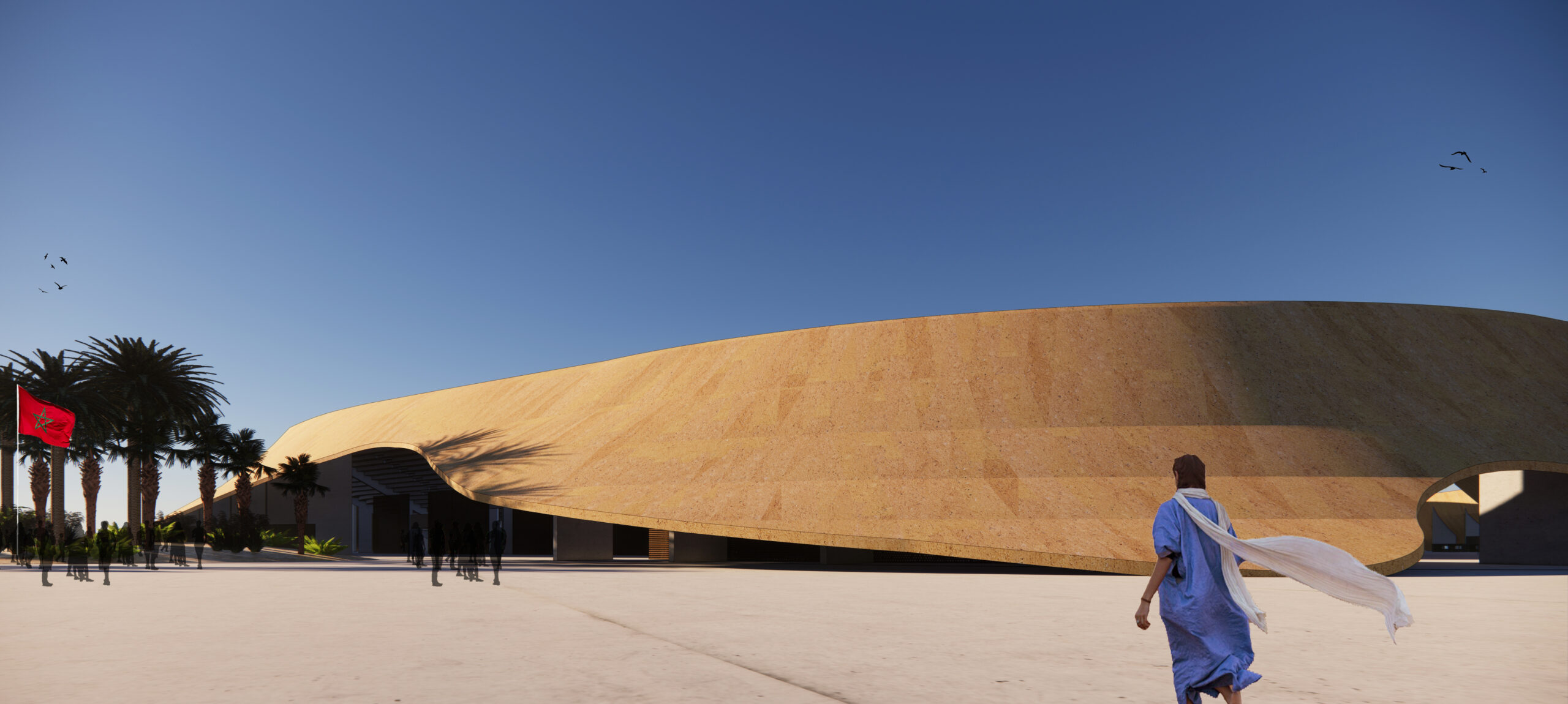
That conviction reflects a broader philosophy running throughout his career: architecture should emerge from an understanding of place while remaining open to experimentation.
Whether designing a university courtyard, a shaded passage, or an earthen wall in Marrakech, Kettani returns to the relationship between people and their environment.
For him, Morocco’s architectural future lies neither in reproducing the past nor in pursuing modernity without context.
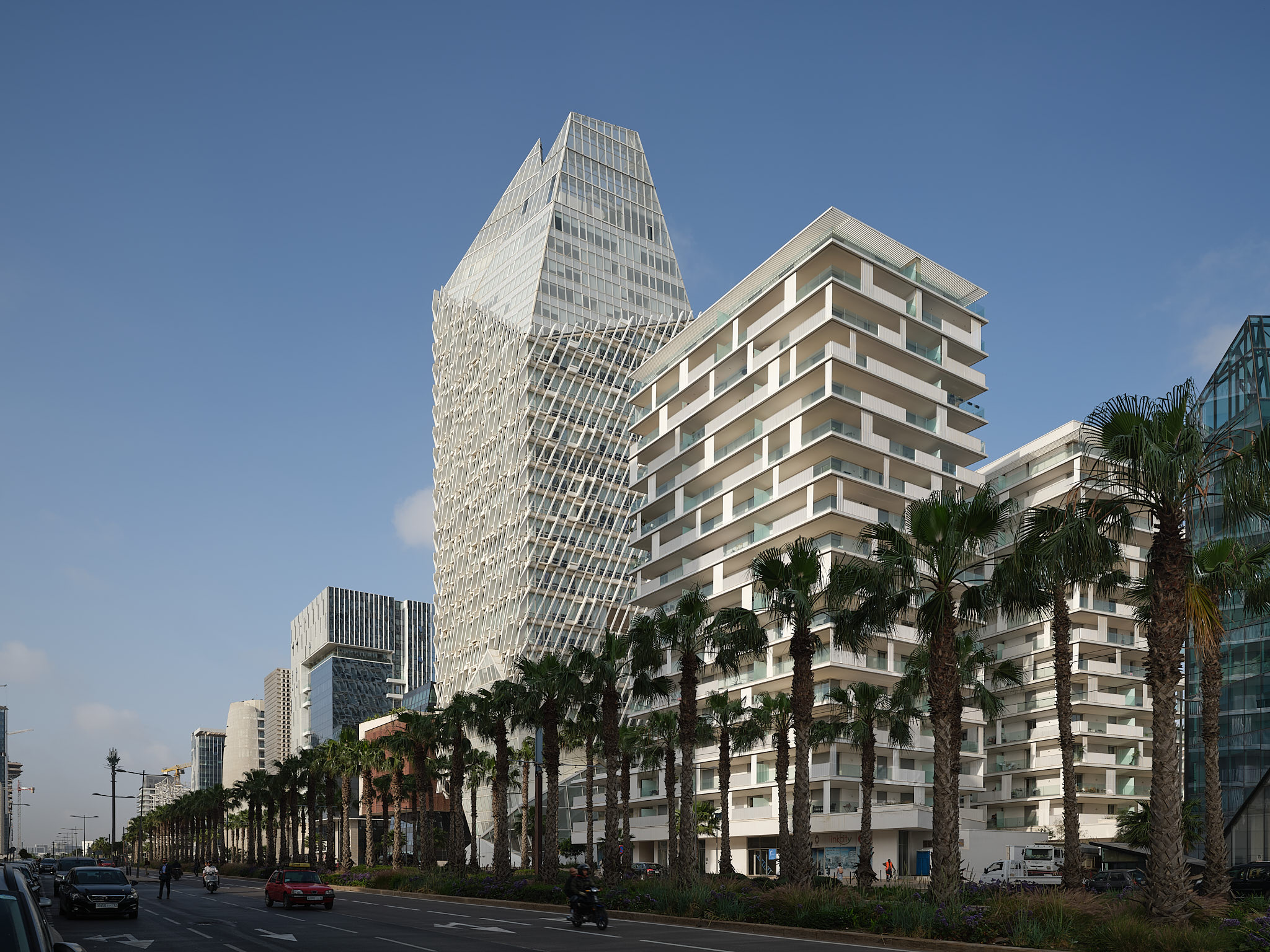
It lies in bringing the country’s cultural memory, environmental realities, and emerging talent into a meaningful conversation.
“Given its history, geographical location, and collective intelligence, I am convinced that Morocco has a powerful message to share with the world,” he said.
Through his buildings and his work with future architects, Kettani continues to explore what that message might look like, one space at a time.