“Rahma”: A Gripping Ramadan Drama Shedding Light on Women’s Struggles
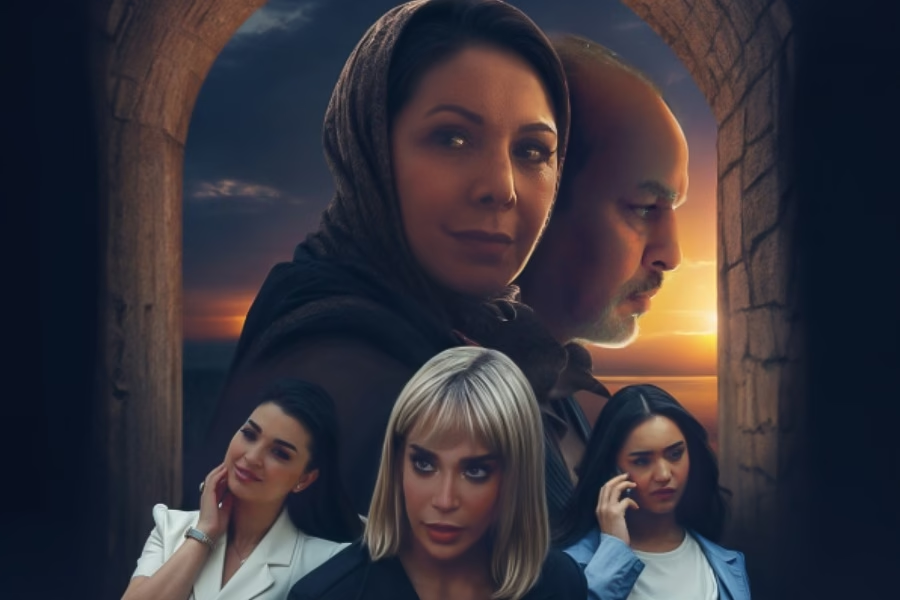
One woman, one child, one relentless fight against a world that turned its back. Fez – In a highly competitive Ramadan TV lineup, “Rahma” stands out, not just for its compelling narrative but for its raw, emotional portrayal of the silent battles many women fight. Written by Bushra Malek and directed by Mohamed Ali El Mejbour, the series airs on MBC5, captivating audiences across generations with its heart-wrenching realism. At its core, “Rahma” tells the story of a Moroccan mother abandoned by her husband after giving birth to a child with special needs. Left to navigate the relentless hardships of life alone, she embodies resilience, love, and sacrifice in the face of overwhelming odds. Her journey is a reflection of many real-life women who bear the weight of responsibility alone, struggling to provide for their children while society turns a blind eye. Beyond its gripping plot, “Rahma” serves as a powerful social commentary on gender dynamics in Moroccan society. The series exposes the painful reality of mothers left behind when fathers refuse to take responsibility, a narrative that resonates far beyond television screens. It highlights the isolation, stigma, and economic hardships that single mothers, especially those raising children with disabilities, face daily. But “Rahma” is not just about suffering; it’s about strength. It showcases the indomitable spirit of women who refuse to give up, even when abandoned. It’s about mothers who fight tirelessly for their children’s dignity, proving that true parenthood isn’t about biology but about presence, commitment, and love. The series boasts a stellar cast, including Farah El Fassi, Mouna Fettou, Abdellah Didane, Karima Gouit, Reem Fikri, and Seddik Mekouar, among others. Their performances breathe life into the narrative, making the audience feel every moment of heartbreak, every triumph, and every ounce of hope. Adding to its emotional depth, the series’ theme song is performed by Asma Lmnawar and Mahdi Mouzayine, two of Morocco’s most celebrated artists. Their voices bring an added layer of poignancy to the show, ensuring that “Rahma” is not just watched but deeply felt. As “Rahma” unfolds throughout Ramadan, it does more than entertain; it sparks conversations. It forces viewers to confront uncomfortable truths about gender inequality, parental abandonment, and the struggles of women who are left to fend for themselves. It challenges societal norms and, most importantly, gives a platform to the invisible stories that deserve to be heard. In a world where many women silently endure suffering, “Rahma” dares to speak out. And that, perhaps, is its greatest triumph. Read also: One Special Thing About
Gone Girl: Fiction That Feels Scarily Familiar

What seems like an idyllic love story can suddenly become a mystery that questions everything you thought you knew about them. Marrakech – A couple so flawless in appearance, they could’ve been plucked from the pages of a storybook. Their marriage, a portrait of perfection on the outside, was secretly fractured beneath the surface. But when one of them vanishes without a trace, those hidden cracks begin to fracture everything, revealing a web of secrets, lies, and unspoken truths. W If “Gone Girl” taught us anything, it’s this: no one is exactly who they seem to be. But while the story pulls us in with its gripping drama, many wonder: could it be real? While Gone Girl is a work of fiction, its eerie echoes in real life make it a cultural phenomenon worth dissecting. Written by Gillian Flynn, Gone Girl explores the dark intricacies of marriage and trust. The novel (and later, the film directed by David Fincher) dives into the lives of Amy and Nick Dunne — a couple who look flawless from the outside but conceal a maze of deceit, manipulation, and betrayal. When Amy suddenly vanishes on the couple’s fifth wedding anniversary, the media circus and police investigation spotlight Nick as the likely suspect. The truth, however, is darker and far more twisted than anyone expects. Flynn’s story isn’t based on a specific real-life case, but she drew inspiration from crime stories she covered as a journalist and cultural obsessions with true crime narratives. Read also: A Love Letter to Morocco’s El Guerrab From unreliable narrators to a critique of media sensationalism, Flynn crafted a world that mirrors society’s darkest corners, making it feel terrifyingly plausible. Though fictional, Gone Girl has been invoked in real cases, like the disappearance of Jennifer Dulos in Connecticut or the Denise Huskins kidnapping case. The term “Gone Girl syndrome” was coined in these instances, describing situations where victims are accused of fabricating their plight — a stark reminder of how Flynn’s story has shaped public perceptions. Flynn’s tale also delves into gender dynamics and societal expectations. Amy Dunne flips the script on traditional femininity, presenting herself as the “cool girl” while secretly pulling the strings of her own narrative. Her character has sparked debates about gender roles, manipulation, and the way women’s stories are framed in the media. Since its release, Gone Girl has left an indelible mark on pop culture. Beyond inspiring memes and discussions about trust, love, and power, it’s become a benchmark for psychological thrillers. Its success proved audiences are drawn to messy, complex characters who defy easy labels — especially women like Amy, who refuse to play by society’s rules. So, the next time you revisit Gone Girl, remember: while the story isn’t real, its themes about deceit, power, and perception hit a little too close to home. After all, isn’t the scariest fiction the kind that makes you question what’s real in your own life?