Hercules Cave in Tangier: Where Myth Meets the Atlantic

Not all legends are lost to time, some are carved into the cliffs of Tangier. Fez – Nestled in the northernmost tip of Morocco, Hercules Cave in Tangier is one of Africa’s most mesmerizing natural wonders. Discovered in 1096 AD, this cavern isn’t just a geological marvel, it’s a place where history, myth, and the raw power of nature collide. Visitors flock to its legendary depths, drawn by the allure of ancient stories and the breathtaking view where the Mediterranean Sea meets the mighty Atlantic Ocean. One of the cave’s most striking features is its massive opening, which astonishingly resembles the outline of the African continent. This natural silhouette frames a view of the Strait of Gibraltar, offering a rare and poetic perspective of the two colliding waters. The cave’s strategic location, just beneath the famed Cap Spartel promontory, has made it a site of fascination for thousands of years. Hercules Cave isn’t just a pretty geological feature, it’s soaked in ancient mythology. Local legends claim the cave was once the refuge of Hercules, the legendary Greek demigod. According to the story, he rested there after completing his famous twelve labors, one of which involved separating Africa from Europe by splitting the mountains of Gibraltar. Some versions of the tale even suggest that he married a woman named Tingis, who gave her name to the city of Tangier itself. But myths aside, historical records suggest that humans inhabited the cave as far back as 5000 BC. Archaeological evidence points to it being a center of early trade and industry, with remnants indicating that Phoenician and Roman merchants once stored fish there before selling them to passing caravans. While much of the cave’s structure is natural, about 60% of it has been shaped by human hands. Over the centuries, people have carved out parts of the cavern, possibly for shelter or trade purposes. The result is a fascinating blend of natural and man-made formations, with rugged rock walls leading down 30 meters into the earth. The experience of stepping into Hercules Cave is both eerie and exhilarating. The cool, damp air, the echoes of crashing waves, and the interplay of light and shadow make it feel like stepping into a different realm, one where myth and reality blur seamlessly. Today, Hercules Cave stands as one of Tangier’s top tourist attractions. Visitors can explore its windingpassages,marvel at the spectacular sea view, and soak in the stories that have surrounded this place for millennia. It’s a site that speaks to adventurers, history buffs, and lovers of the mysterious alike. In Hercules Cave, you might fulfill your curiosity about the legends, the view, or just to stand where Hercules supposedly stood. One thing’s for sure: this cave is a destination that lingers in your mind long after you leave. If walls could talk, Hercules Cave would have tales to rival the greatest epics of old. Read also: The Tradition of ‘Tefkida’ in Morocco
TV5 Monde Spotlights Tangier’s Cultural Renaissance
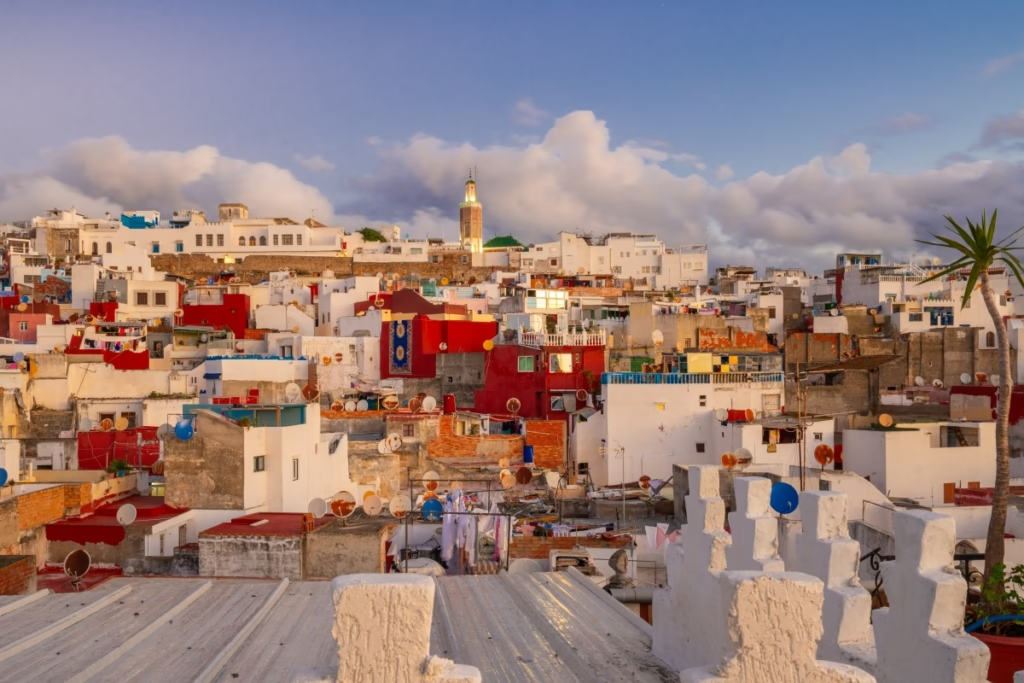
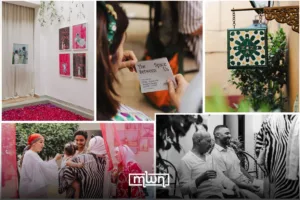
Morocco’s gateway to the world, Tangier is reclaiming its status as a global cultural hub with a stunning artistic revival. Fez – Tangier has always been a city of intrigue; a crossroads of cultures, a muse to artists, and now, a rising star in cultural tourism. French television network TV5 Monde recently put the Moroccan city in the spotlight, dedicating a feature to its transformation into a hub where heritage and contemporary art meet. Tangier has enchanted creatives for centuries, from 19th-century painters like Eugène Delacroix to modern visionaries like Kees Van Dongen and Nicolas de Staël. Even Moroccan artist Ahmed Yacoubi found his way to global recognition here, thanks to the American writer Paul Bowles. Tangier’s unique energy has always drawn those who see the world differently. Now, the city is embracing that identity like never before. Over the past decade, Tangier has been busy reinventing itself. At the heart of this metamorphosis is the “Port de Tanger Ville” project, launched in 2010. The initiative aims to strengthen the city’s connection to its port and position it as a premier cultural tourism destination. A story of reinvention Mohamed Ouanaya, CEO of the port development company SAPT, explains that the goal isn’t mass tourism but a refined experience blending history, creativity, and modernity. A major piece of this puzzle? Bringing the old medina back to life. New museums and artist residencies now weave seamlessly into the city’s fabric, creating a unique mingling of past and present. The result is an experience where every cobbled street and ancient wall tells a story of reinvention. Take the Conil Gallery, for example. Nestled on the picturesque Place du Tabor, shaded by a towering ficus tree, this space showcases both Moroccan and international artists, unearthing fresh talent and exporting it to France. Beyond its exhibitions, the gallery serves as a gateway to Tangier’s growing cultural scene, directing visitors to recently restored historical sites, artist workshops, and stunning new museums. Read also: New Discoveries in Morocco’s Kach Kouch Shatter Old Myths The Ibn Battouta Museum, housed in a former fort along the city’s historic ramparts, is one of the reviving city’s most standout transformations. Here, visitors can trace the legendary Moroccan traveler’s 29-year journey across the world. Not far away, the Kasbah Museum merges contemporary art with archaeology inside what was once a prison–proof that in Tangier, even the past finds new ways to express itself. Tangier’s reinvention isn’t slowing down. The city’s ambitious cultural and urban renewal plan will continue until 2029—just in time for the 2030 FIFA World Cup, which will partly take place here. And the results are already visible: locals have fully embraced the transformed landscape, strolling from the old medina to the Mediterranean waterfront as if the city had always been designed this way. French gallerist and philanthropist Olivier Conil, who has called Tangier home for two decades, sees this as an invaluable shift. “Tangier has always been Morocco’s city of artists,” he told TV5 Monde. “Now, it’s also a city of possibilities.” TV5 Monde’s feature confirms what insiders have known for years: Tangier isn’t just changing—it’s thriving, evolving, and reasserting itself as one of the world’s most fascinating cultural destinations.
One Special Thing About Each Moroccan City
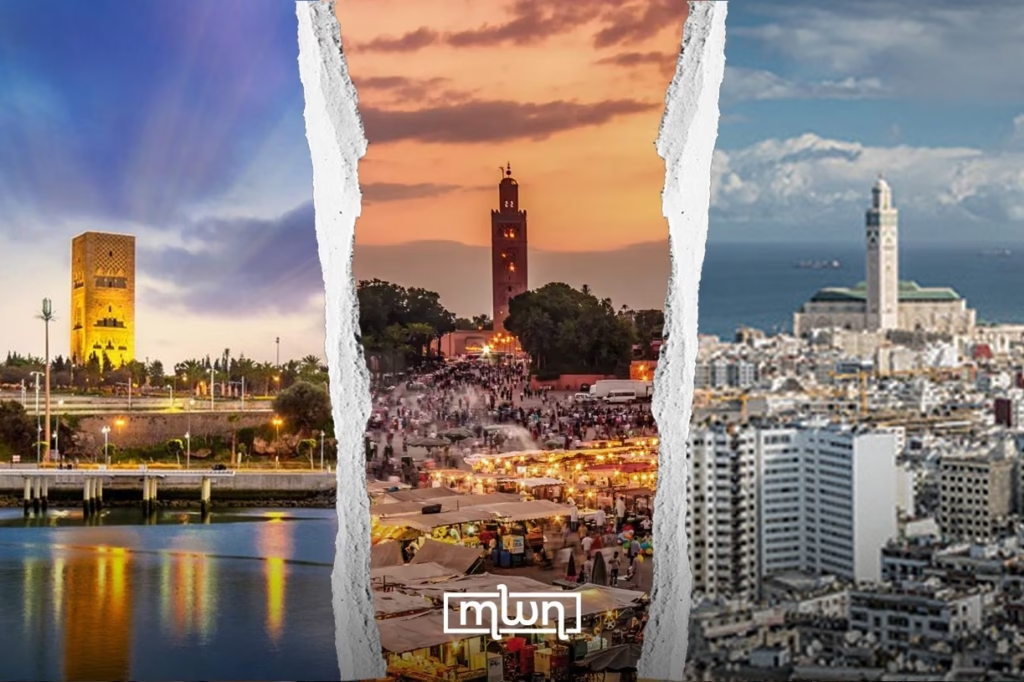
Morocco is a country of diverse landscapes, cultures, and histories, with each of its cities offering something unique.